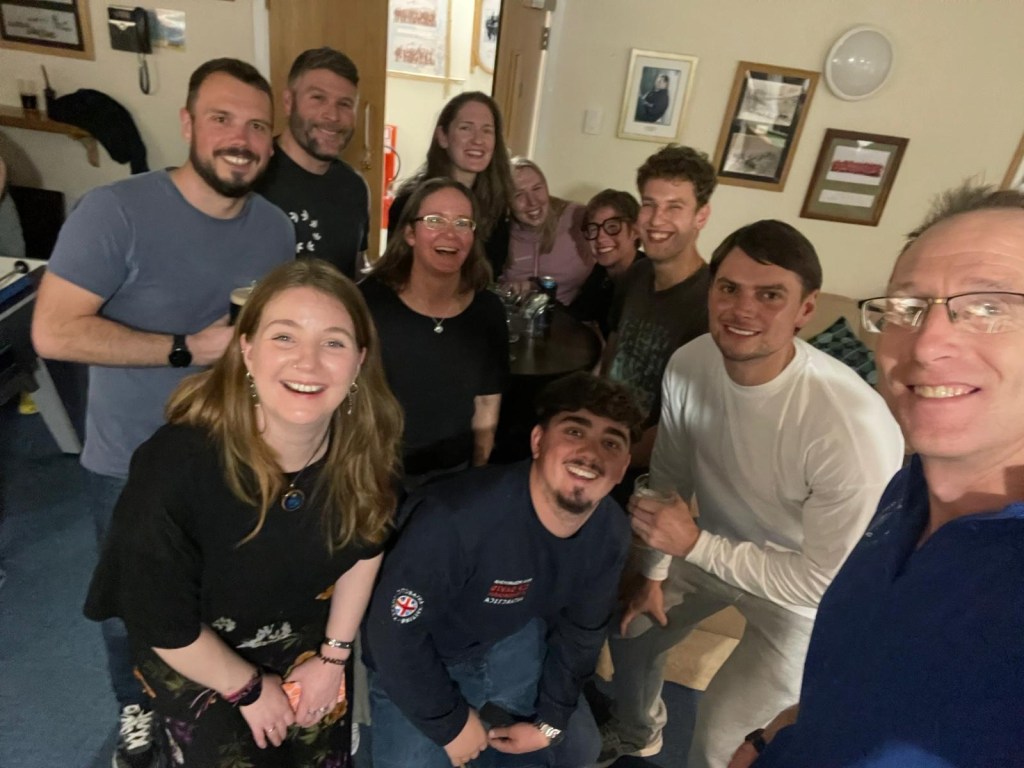
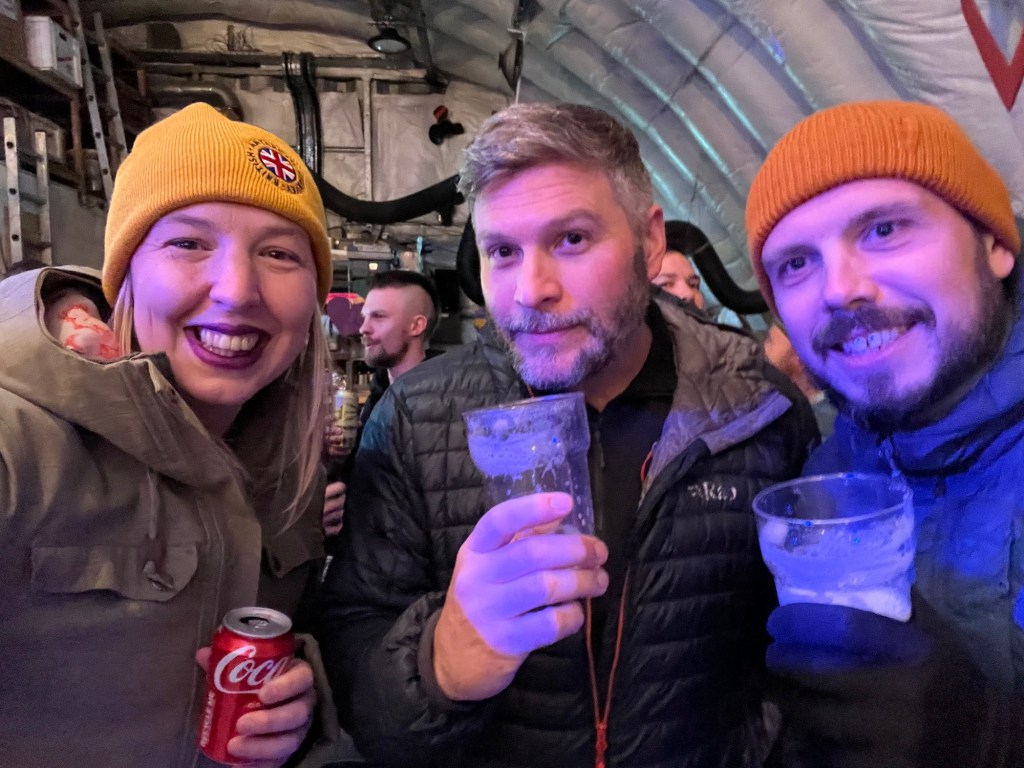
Life at Rothera is both living on the Antarctic Peninsula, and living within a friendly micro-community. One where your neighbour cleans your dinner plate or holds the door open for you, but also likely fixes skidoos, pilots planes or knows a lot about the physics of glacier calving.
We arrived on the DASH aircraft as a group of 15. As if bonded by our travels, we remained a little posse where possible.
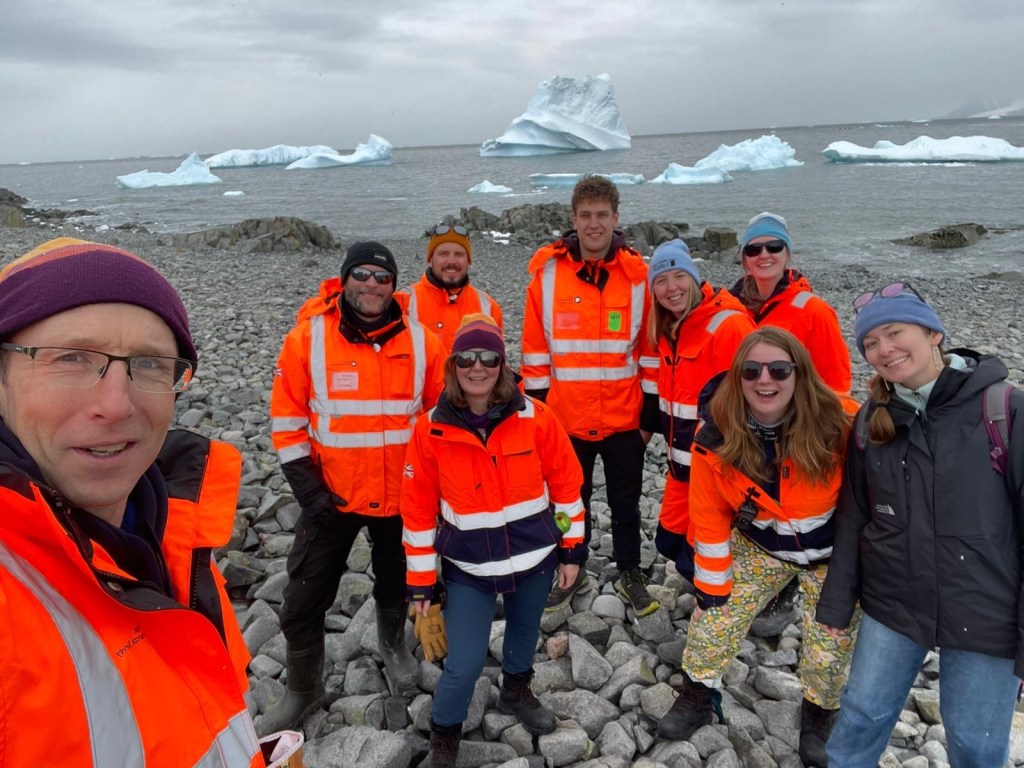
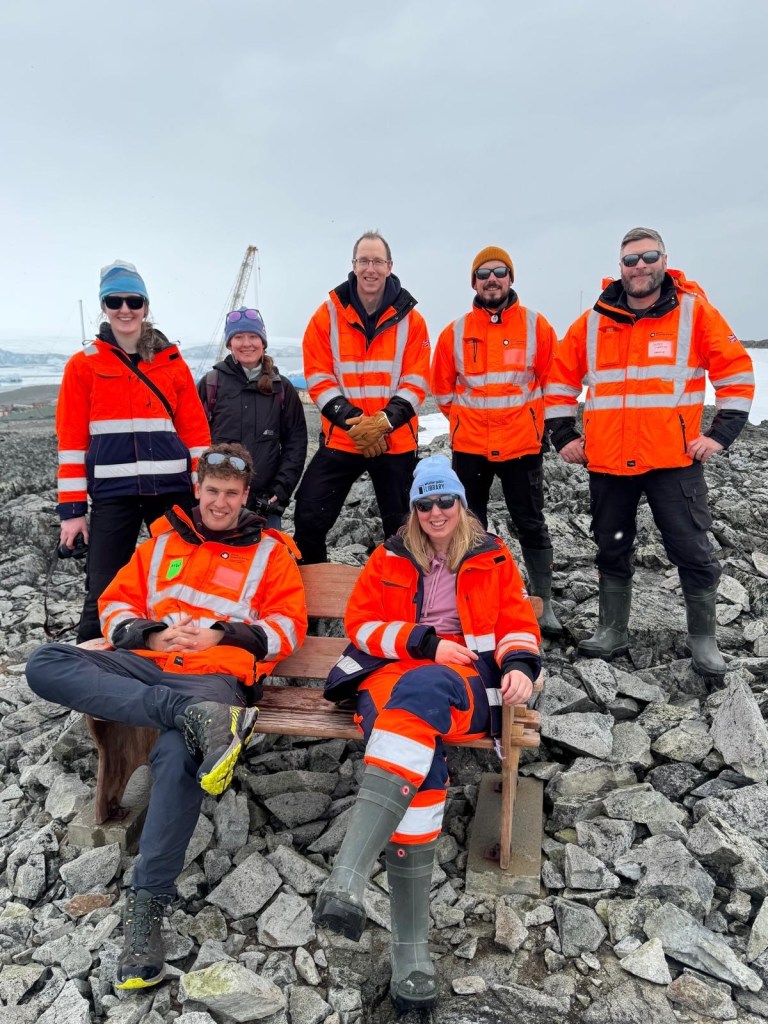
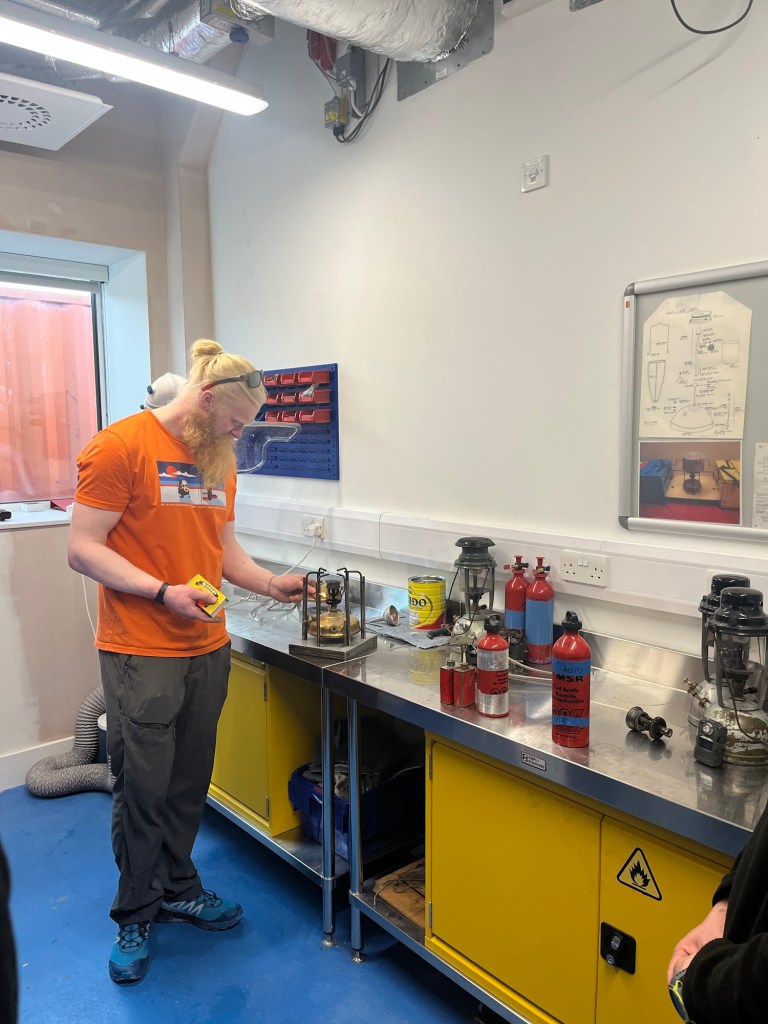
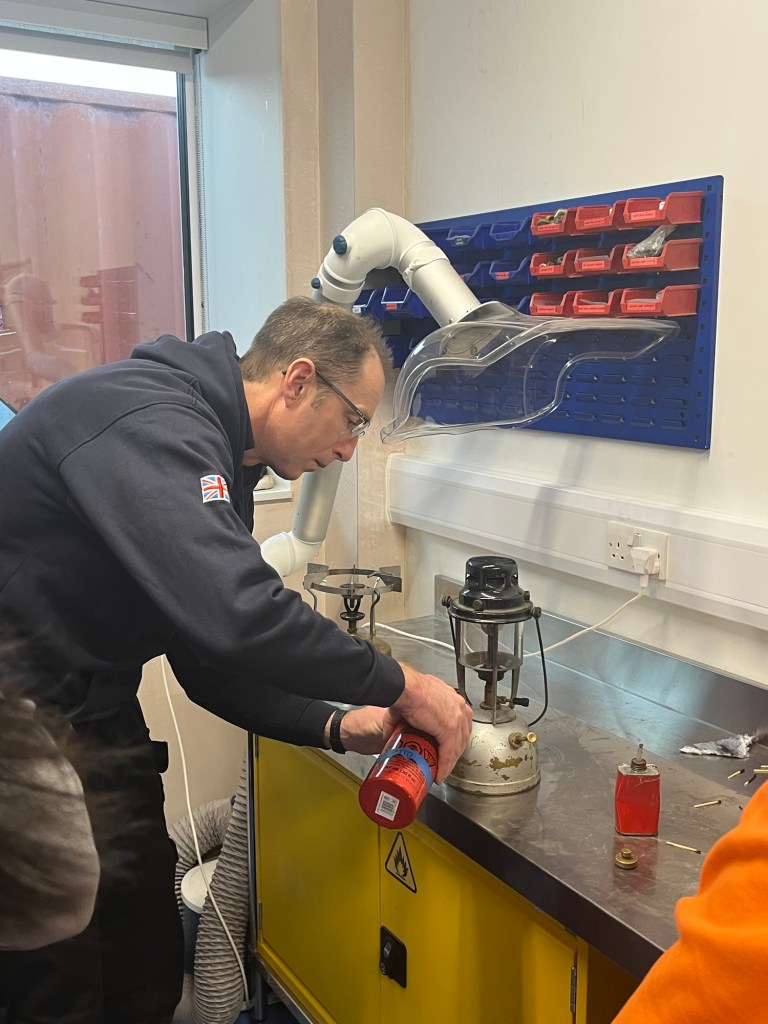
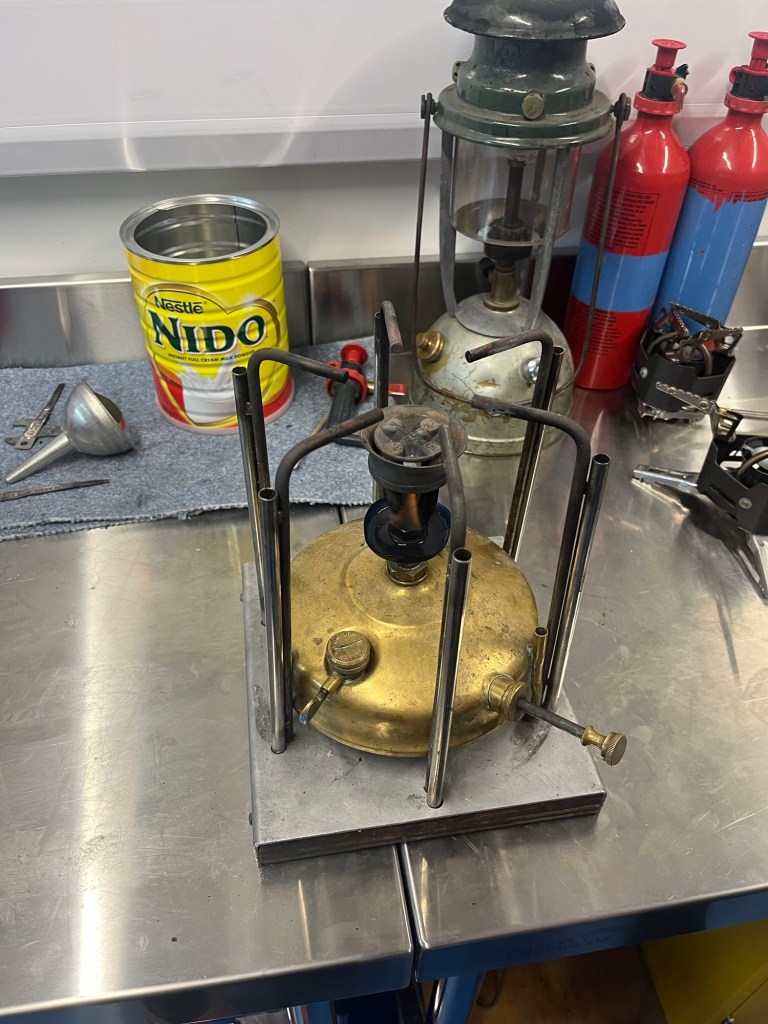
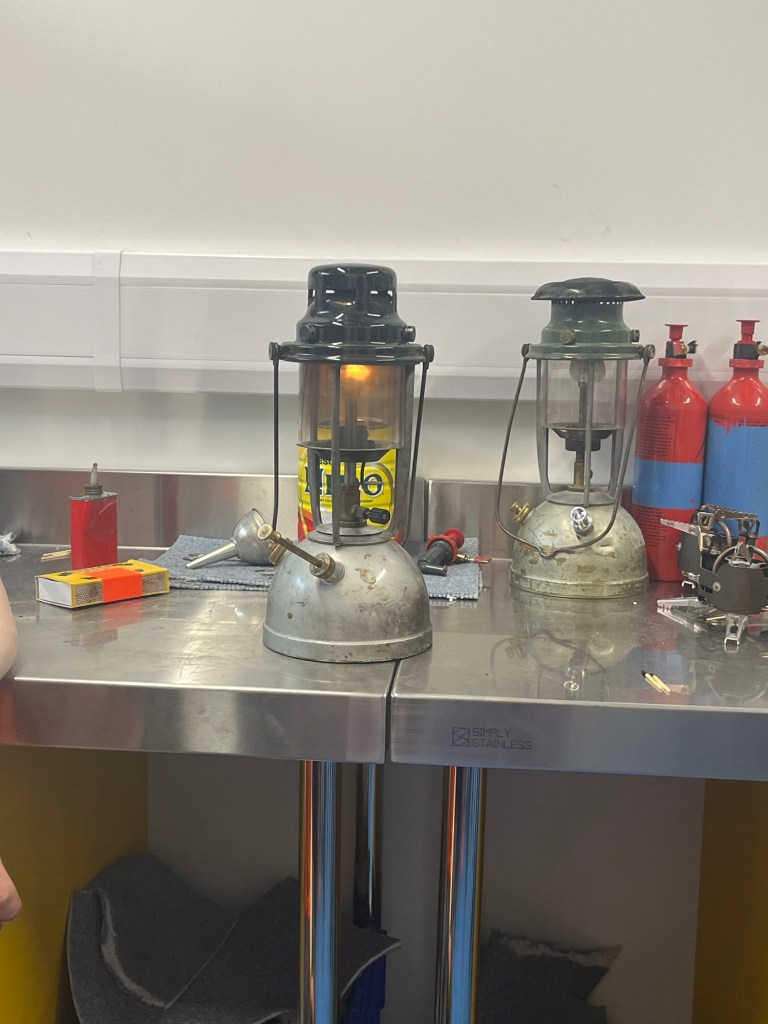
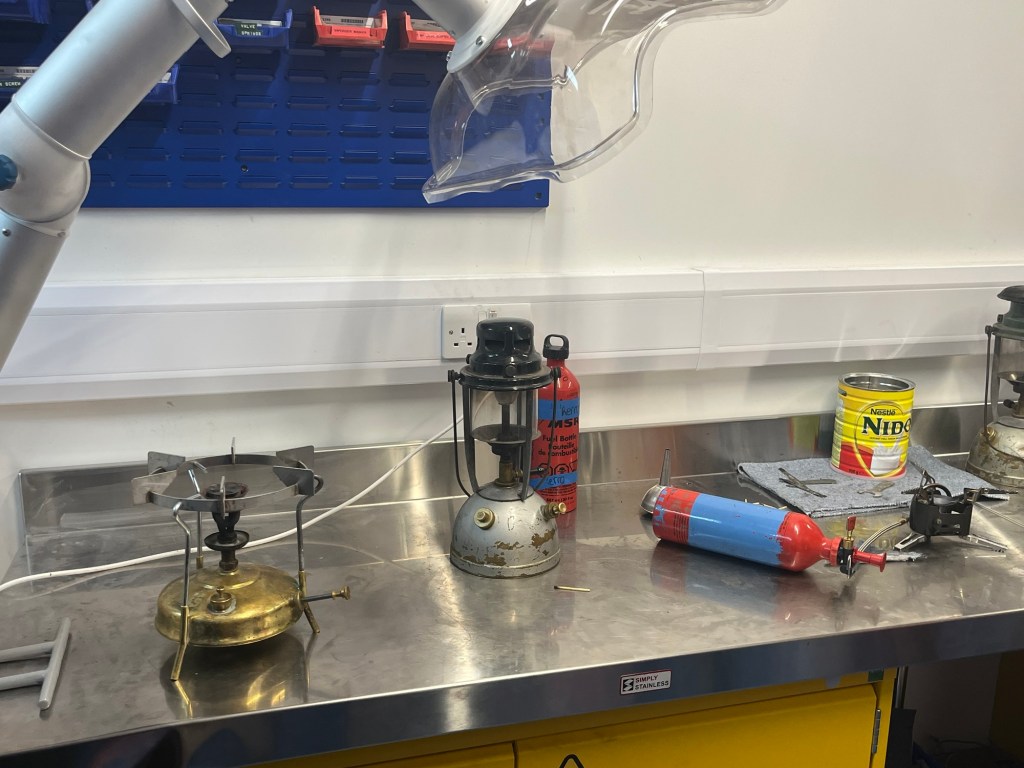
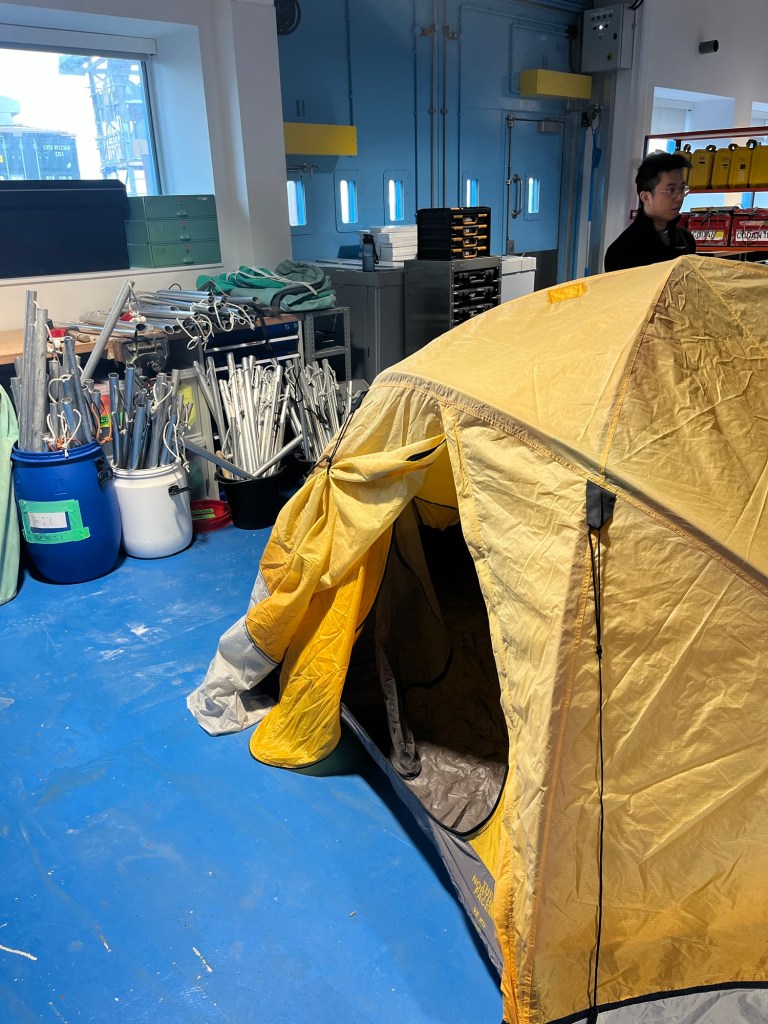
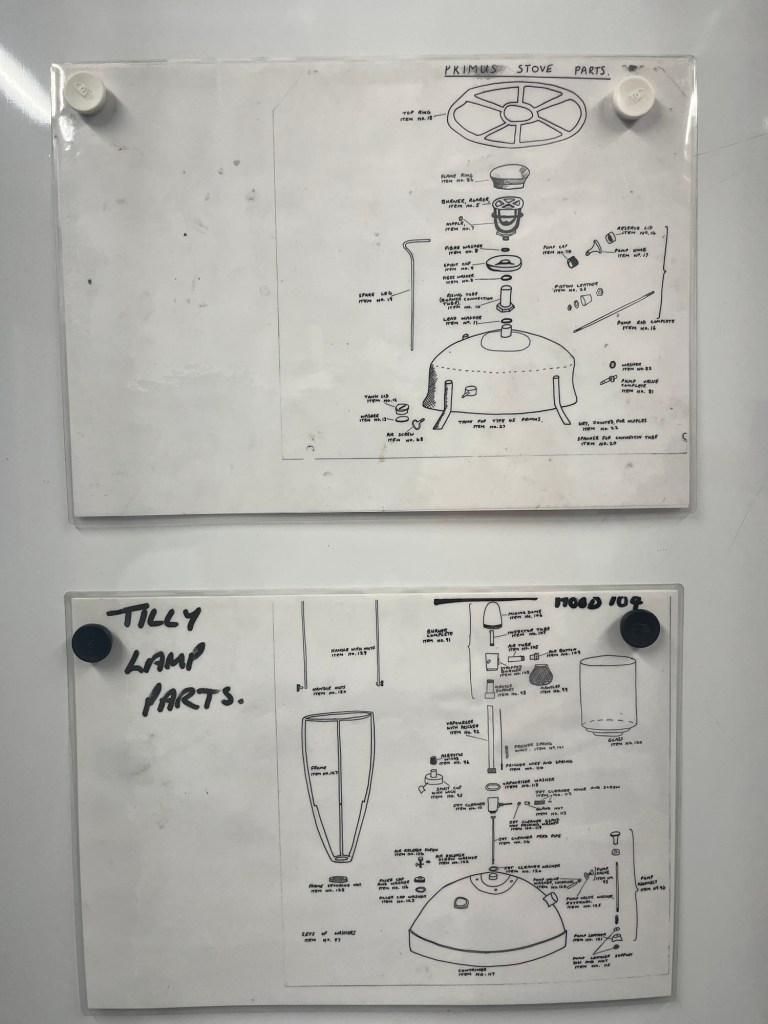
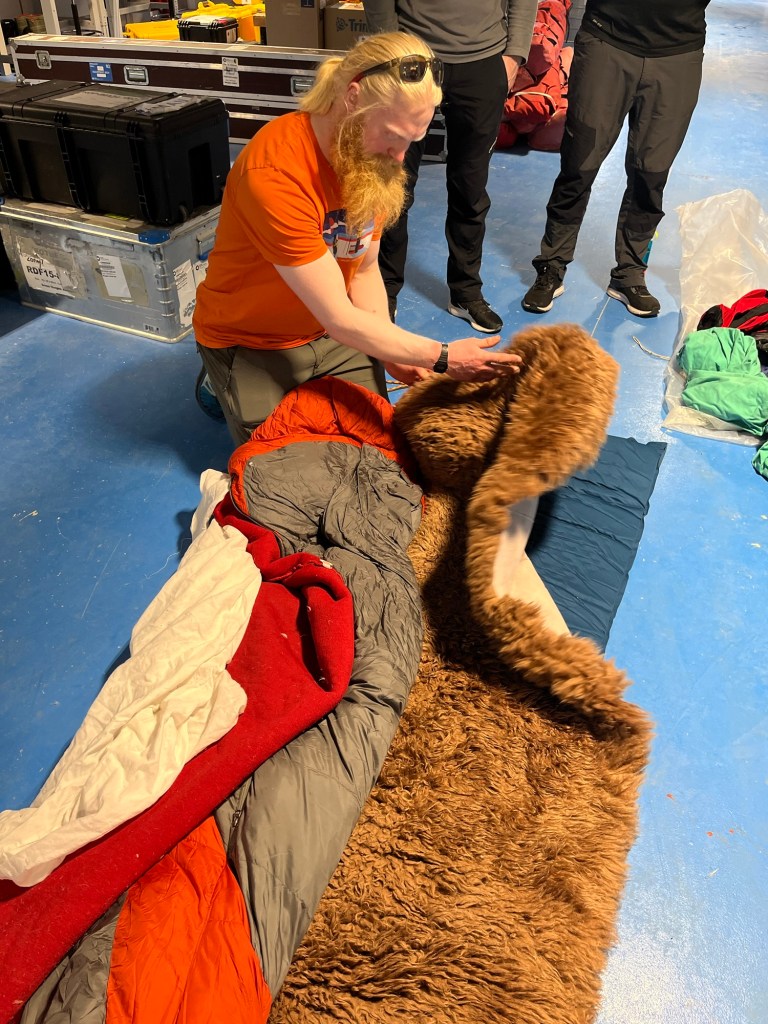
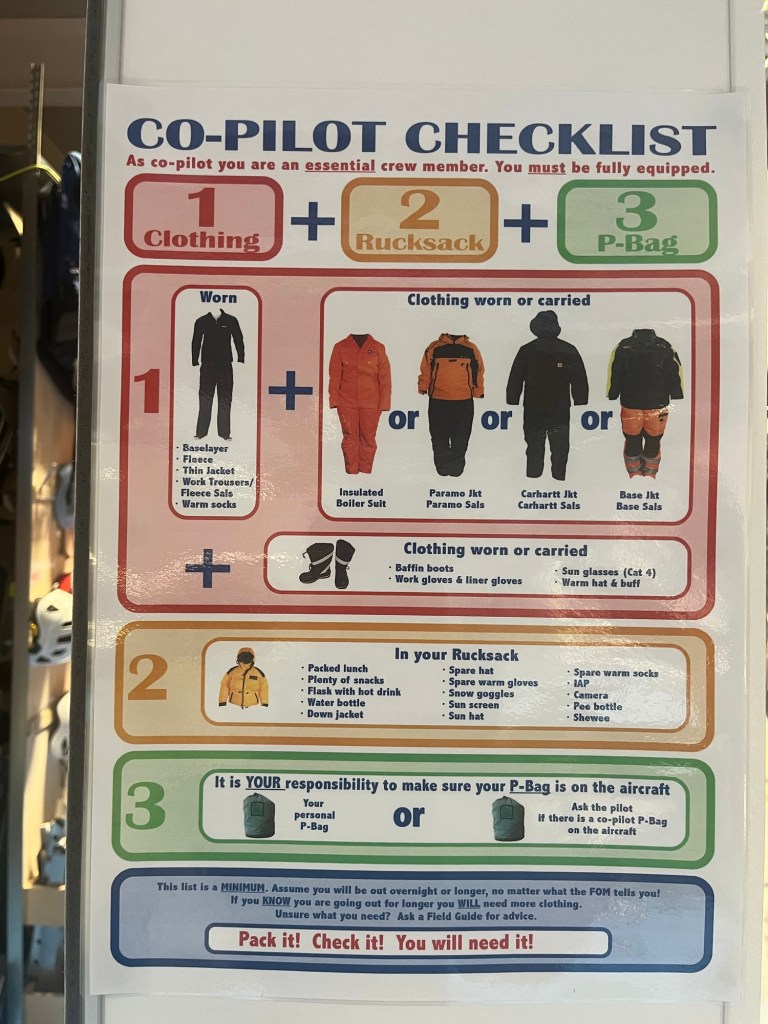
Before being let loose, we had certain training, or mods to complete. These ranged from avoiding decapitation on the runway, to survival in the field. Pilots can operate the plane alone, but are not allowed to lone work in case of emergencies, which means there are opportunities for co-pilots. On these trips, someone might be invited along to sit in the co pilot seat and fly the plane. Everyone on board has a P bag – a survival kit in the case of sleeping out in the cold. Everyone arriving on station gets taught how to light kerosene stoves, and how to sleep out.
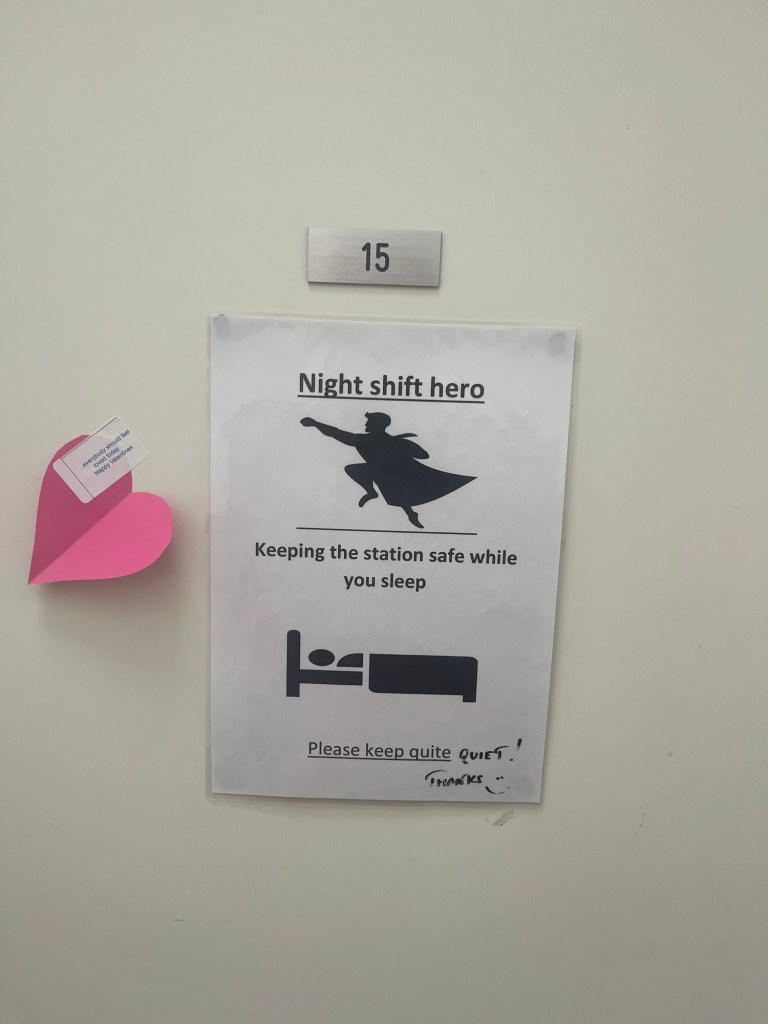
Monday – Saturday the other residents of this community are mechanics, marine biologists, medics and carpenters. My cog in the puzzle is a mix of kitchen and housekeeping work – Station Support Assistant. I work a changing shift pattern, which seems to help the weeks to fly by in a frenzy. In the kitchen, I feel like I am at the heart of the beast, with everyone coming in for mealtimes every few hours. During housekeeping shifts you work from building to building, and every 5 weeks comes a week of night shifts. Night shift involves three nightly patrols of base – at midnight, 3am and 6am. Whilst the world sleeps, I take my baton torch and hunt down fire panels and check generators. Over a week of night shift, the drawing in of the darkness at both ends of the day is noticeable. Once night shift is behind me, I claim the title of Antarctic Hero, keeping my sleeping comrades safe, but in reality, I’m nervously shuffling around waiting for someone to make me jump!
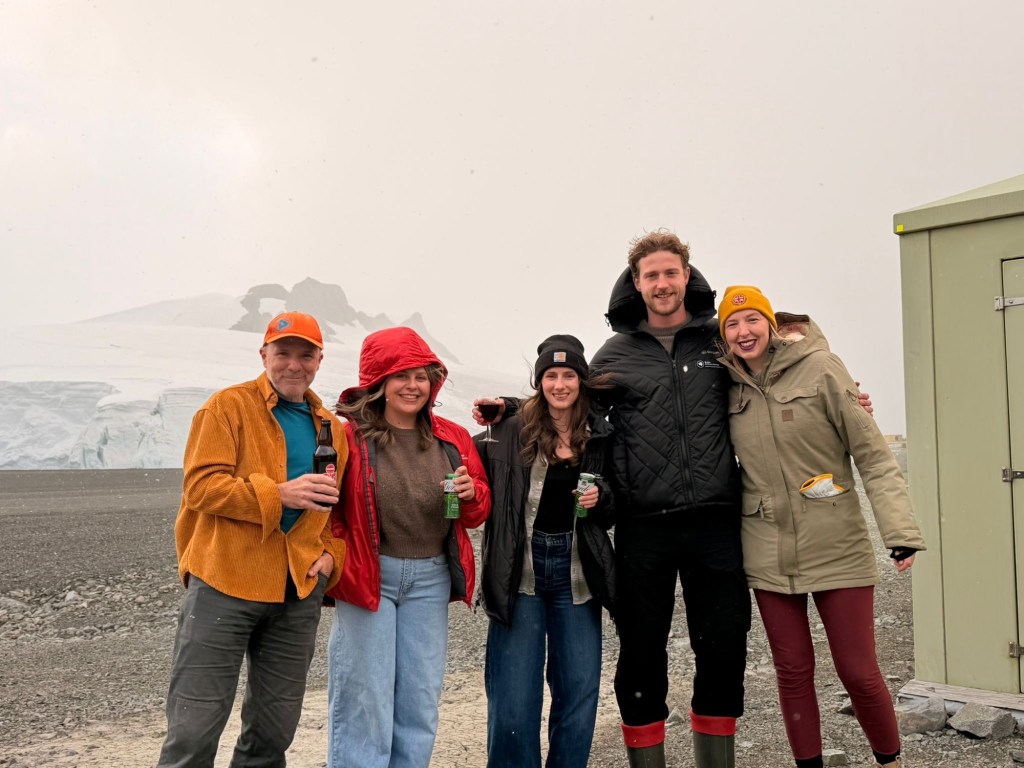
It’s never too long before what Chef Simon refers to as a “wow day.” One that reminds you that you are in Antarctica.
One ordinary Tuesday over a bowl of cereal, Becky the field guide comes in and asks “does anyone want to fly up to the ski way with us and dig out the caboose?” The caboose is a hut for day use or sleeping, mostly for recreation as people head out for winter trips or skiing, it needed repositioning for use as the movement of the snow means it becomes offcentered or buried by drifting snow throughout the winter.
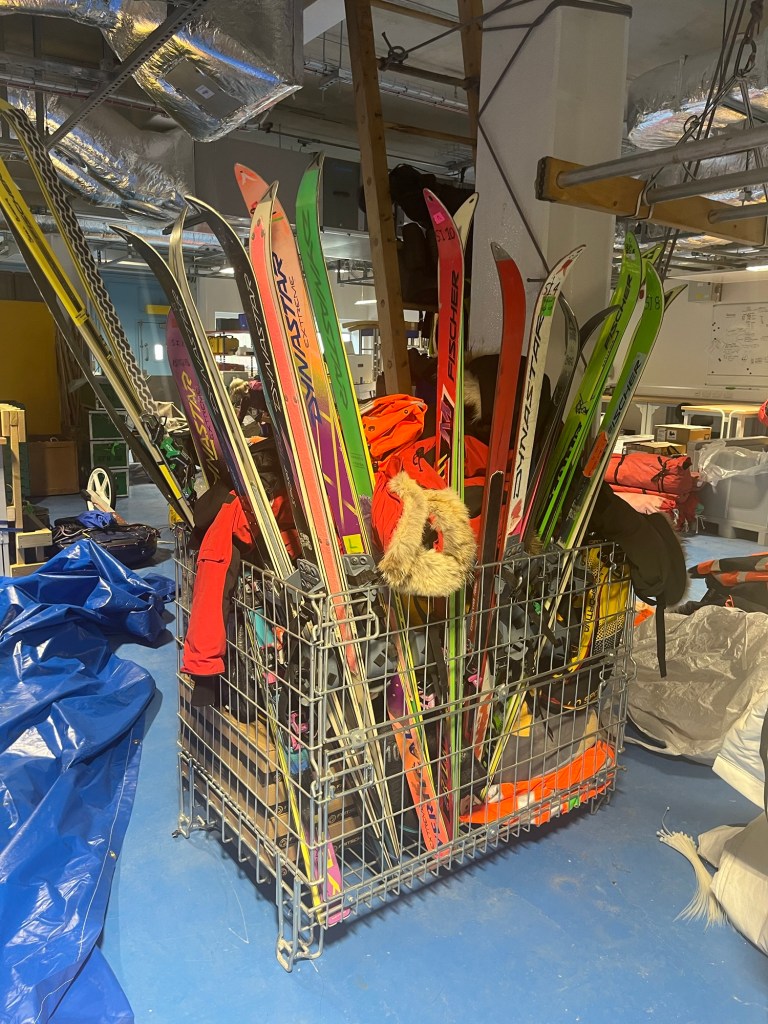
We packed our days provisions, both food, warm clothing and skis. An issue with the twin otter delayed us until the afternoon, where the plane then made 5 journeys up to the ski way and back, delivering ski doos which had been serviced at base back out into the field. I was on the second plane load. The twin otters can land with either wheels or skis, out in the field landing on snow or ice as needed. We took off from base, flying over the ocean, before coming round about 5 minutes later to land on the snow as deliniated by a line of flags.
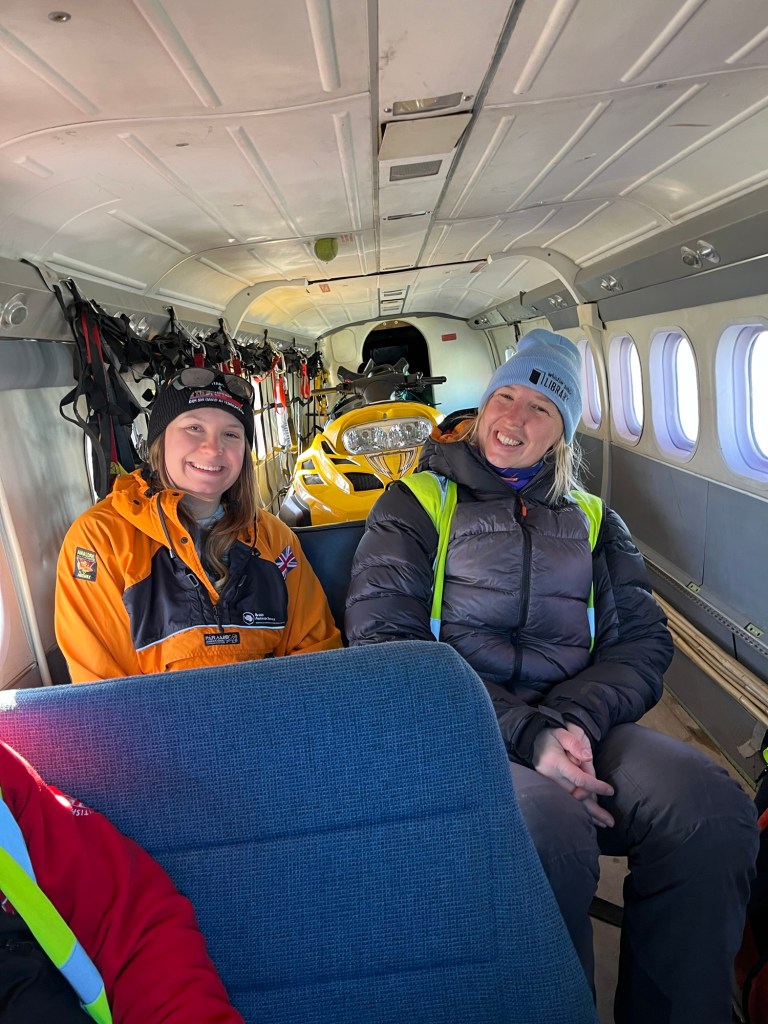
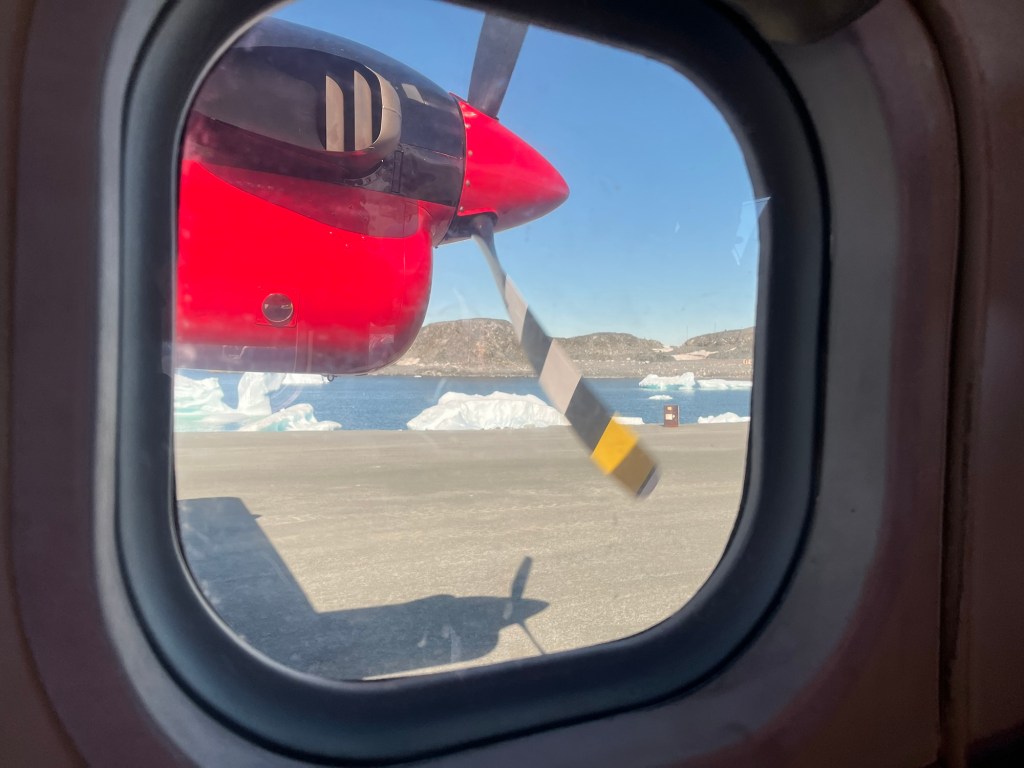
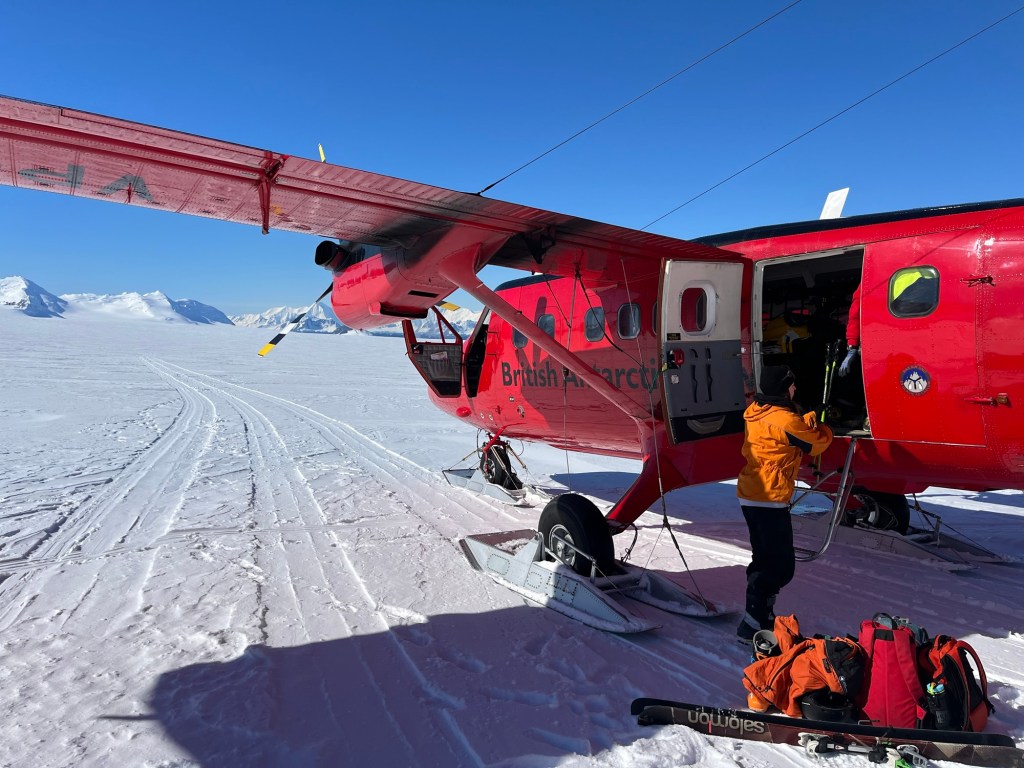
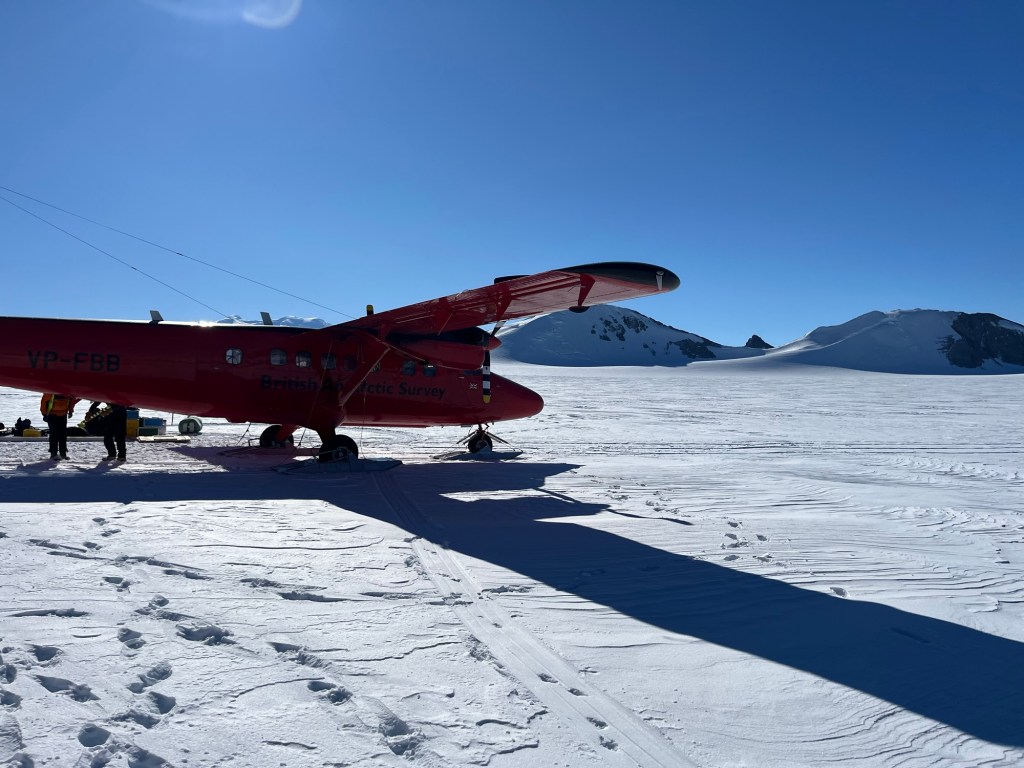
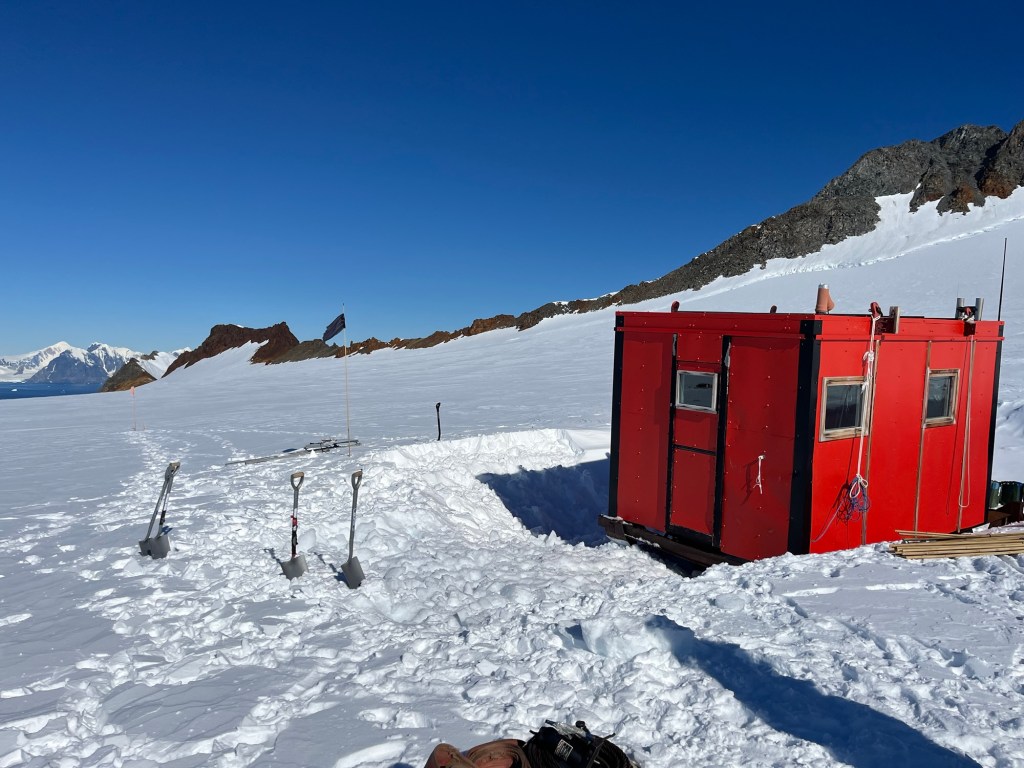
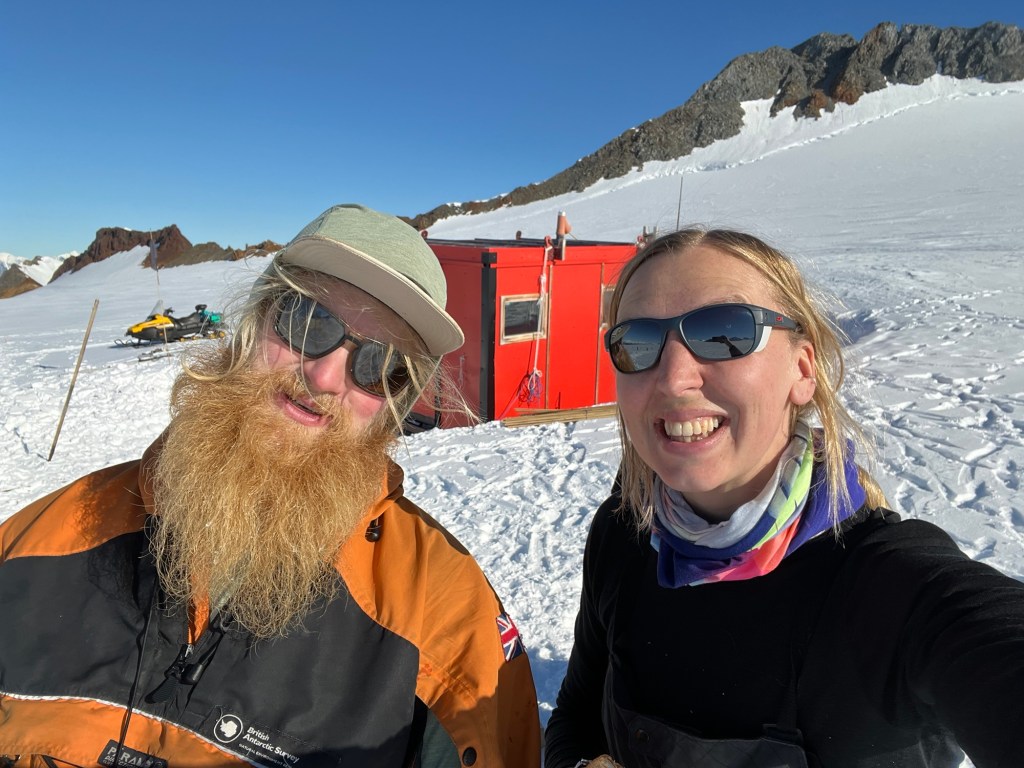
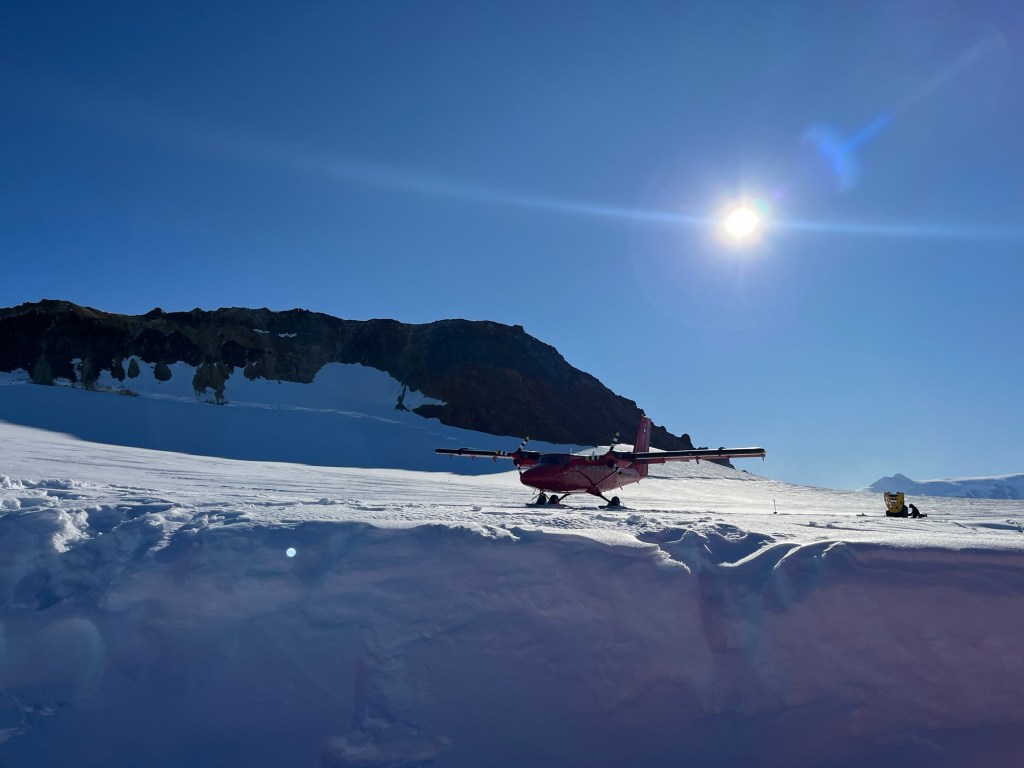
In the sun, we worked to free the caboose of its winter position, digging out snow and sawing it free of ice, before setting up a winch system to drag it out.
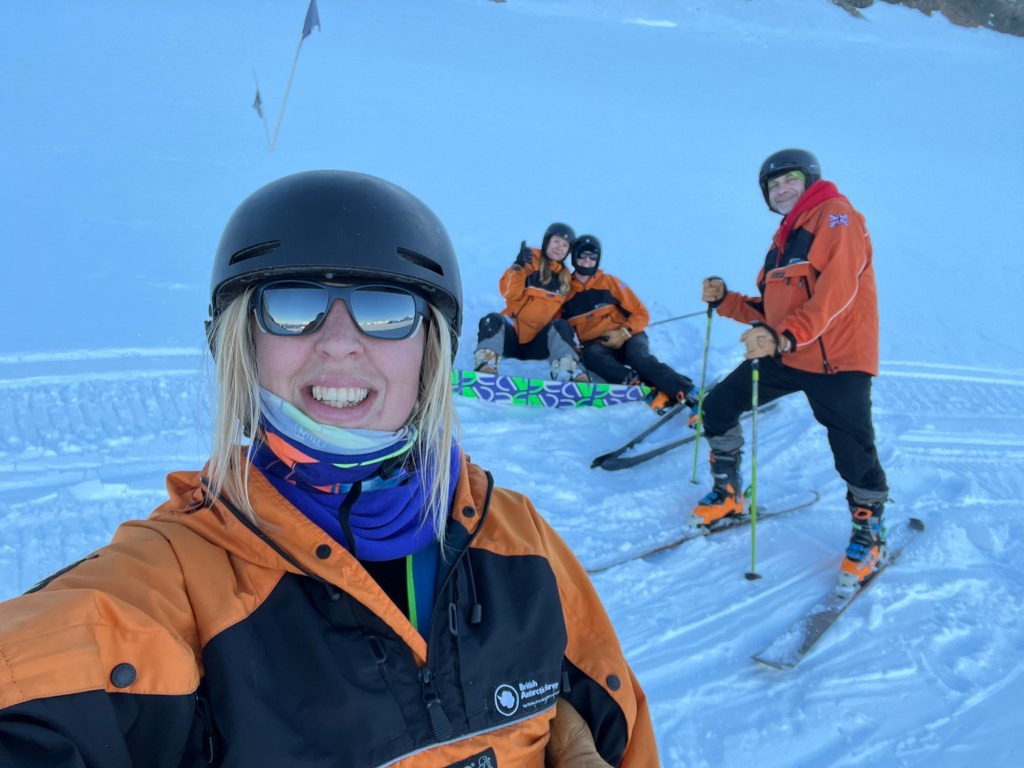
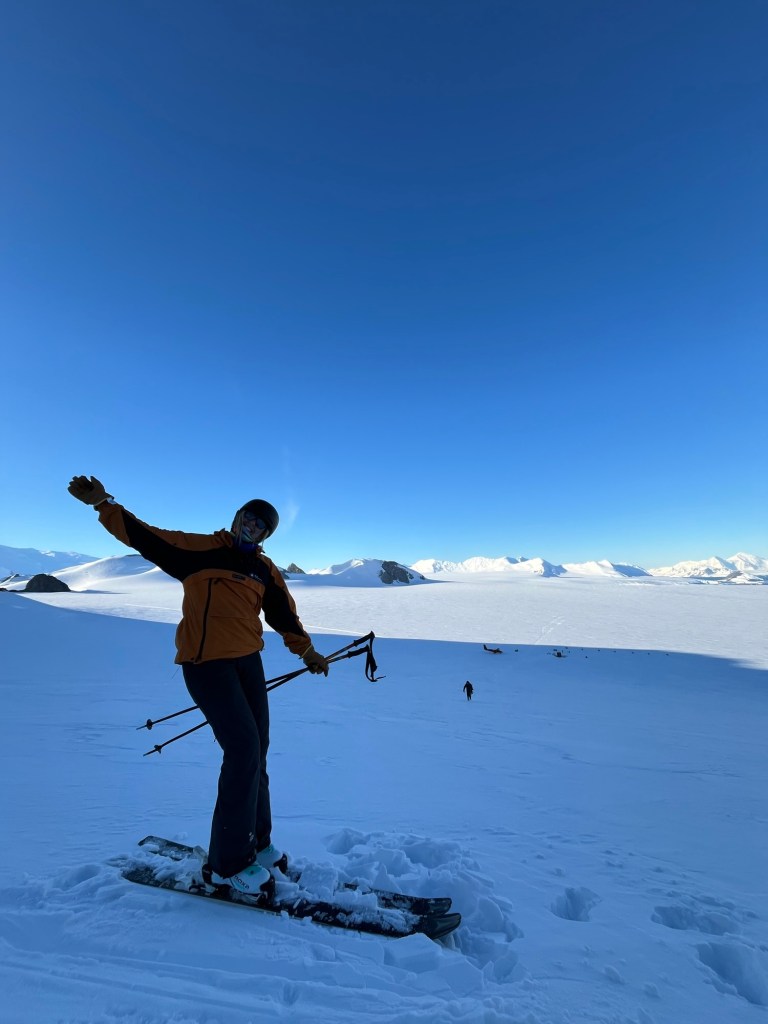
As the final plane load arrived back, we were nearing evening. The sun was still high in the sky and bright. We put on our skis and were given a ride, by ski doo, to the top of the basin – either by sitting in the basket on the back, or being dragged up by tow rope behind. With station out of sight, it was a glimpse of life in the field- a wilder Antarctica.
 Lauren Baillie