If we start at the very beginning, it was a long way to get to Punta (and a big moment for me stepping foot on my sixth continent!)
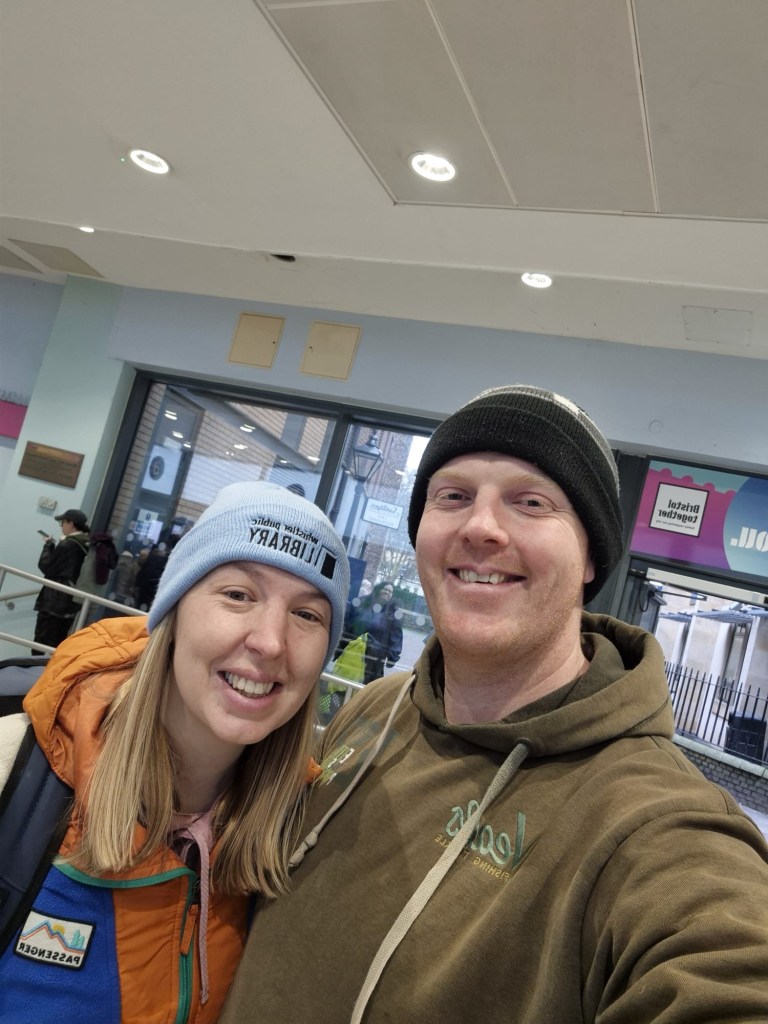
Big goodbyes as Rob and I said goodbye at Bristol Coach station.
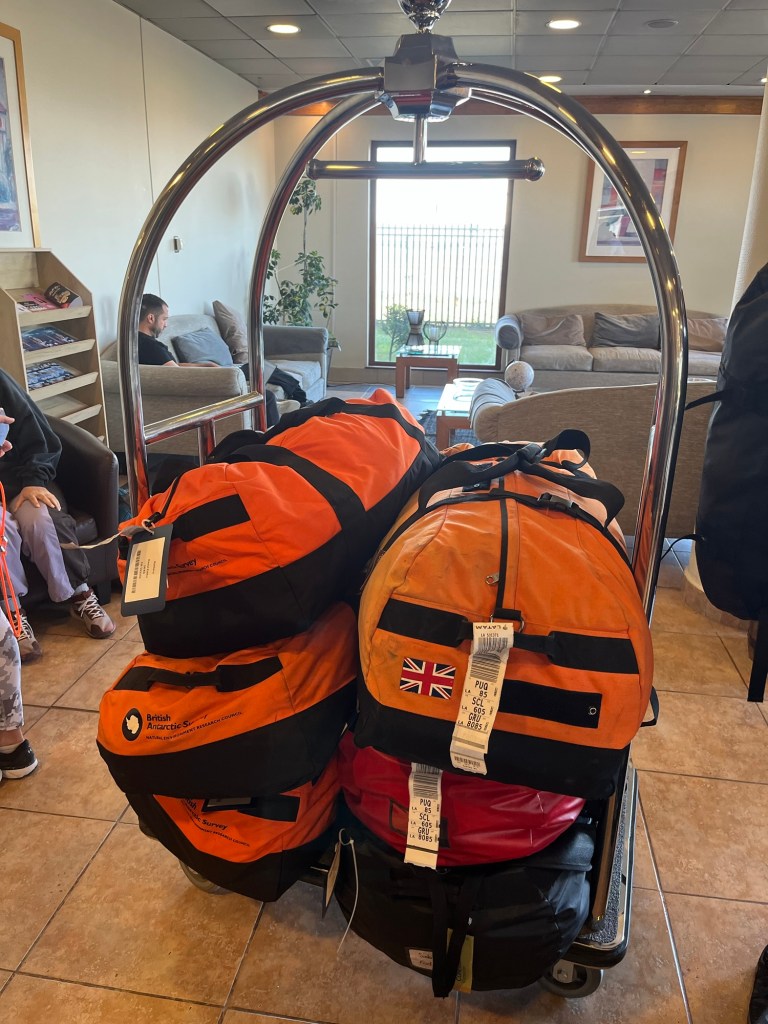
With almost 50kg of luggage, manoeuvring through Heathrow was a challenge! We would be travelling as a group from Heathrow airport, known as DASH 18 as we would be the 18th DASH flight in to Rothera this season. As a group we were made up of the Doctor, plant mechanics, GIS specialists, construction workers, plant mechanics, atmospheric scientists and bio-geochemists!
Our overnight flight took us to São Paulo, Brazil, then we flew on to Santiago, Chile. After a few hours in a hotel during the day, we had another evening flight down to Punta Arenas. After around 35 hours in transit, it was a welcome night in bed.
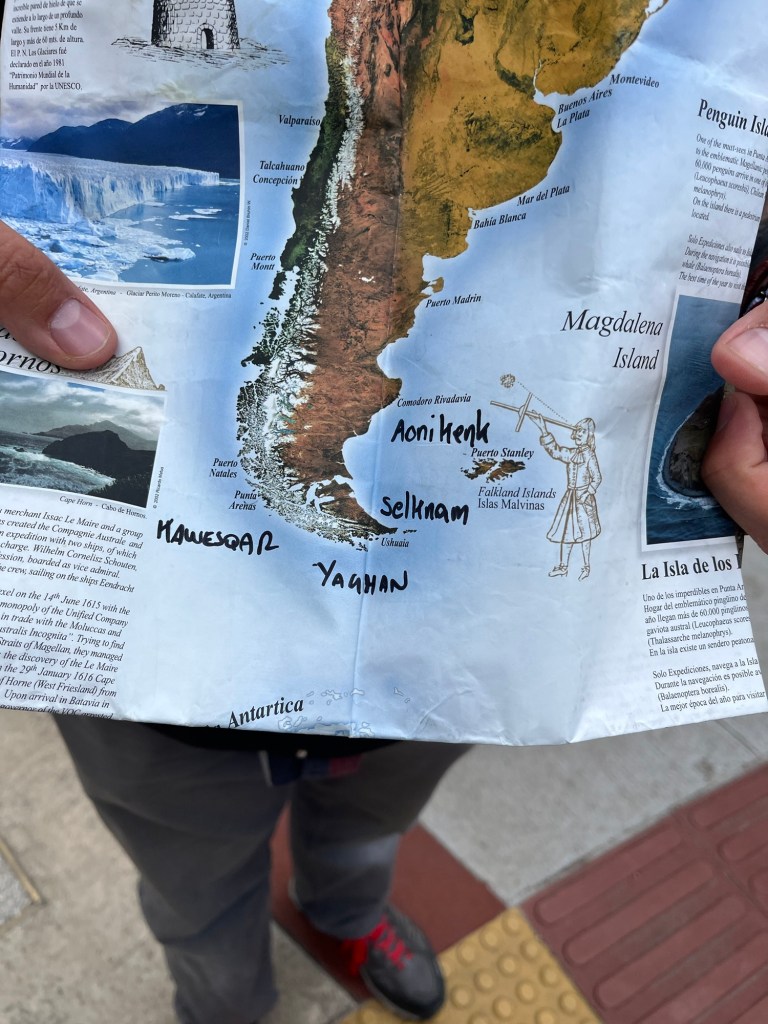
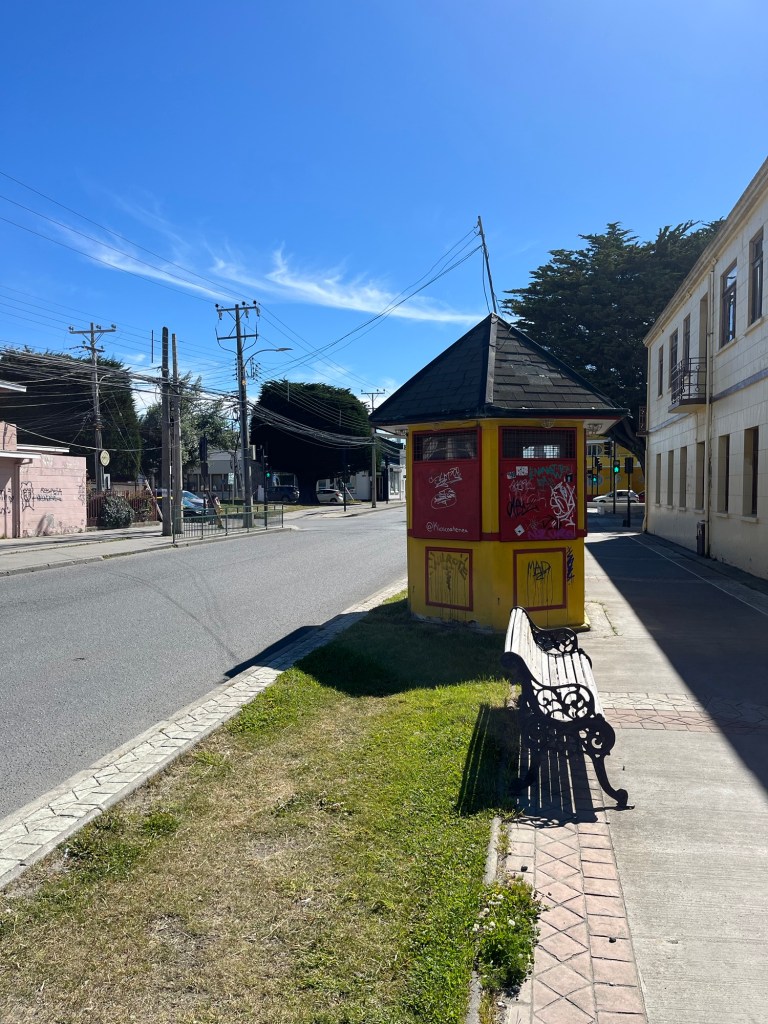
The next morning was bright and the town felt slow to awaken, the quiet streets bright and clean and intriguing. Despite hoping for only a short stay, I couldn’t resist a walking tour to find out more about this curious city at the bottom of the world. Rodrigo, our enthusiastic guide, loved a story. He weaved a narrative of Patagonia and Tierra del Fuego which is quite separate from the colonial past of Chile. Chile, which already sees itself as an island of land between the mountains and the sea. ‘South Chile’ was north of us. This land is islands and fjords, originally settled by nomadic groups and largely ignored by settlers, attracting explorers and traders wanting to cross between the Atlantic and Pacific. Rodrigo talked about two tribes of people, the Aonikenk and the Selknam. The Aonikenk were nomadic horseback folk who were well adapted to trading. The Selknam are remembered for their colourful ceremonial body paint.
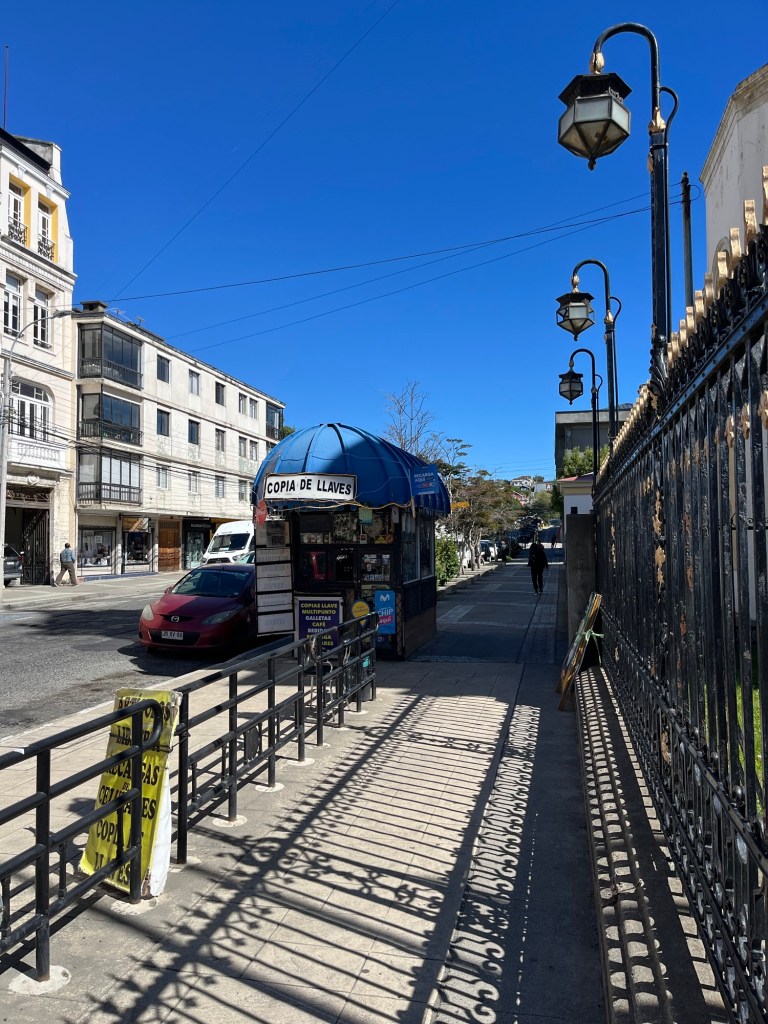
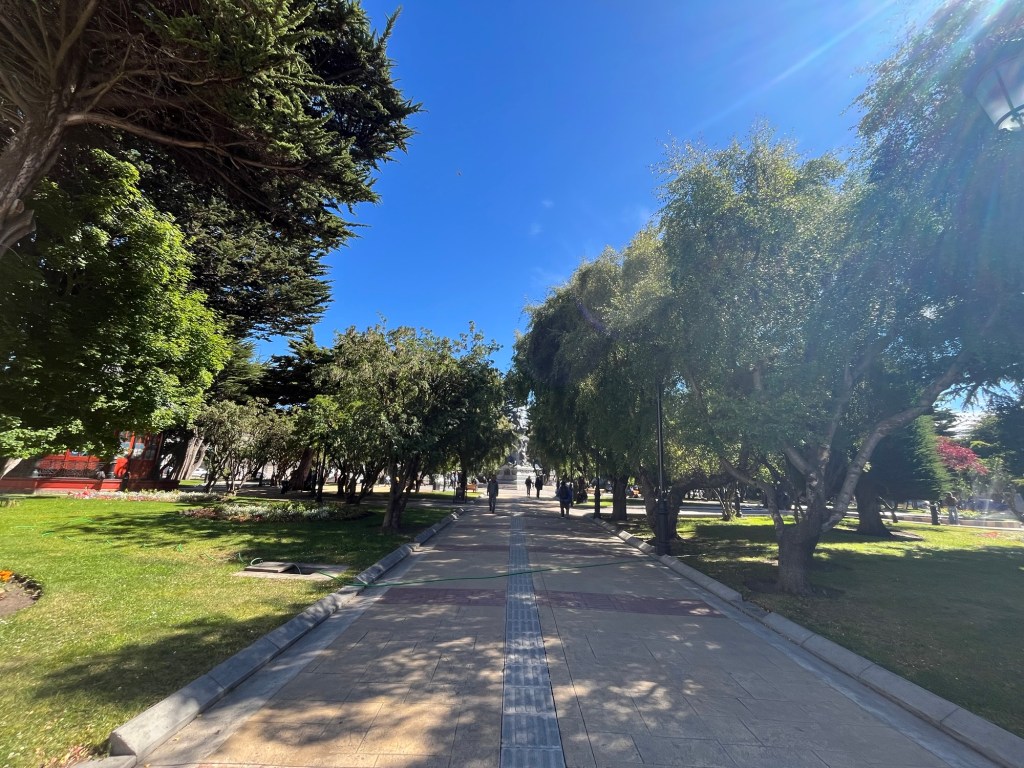
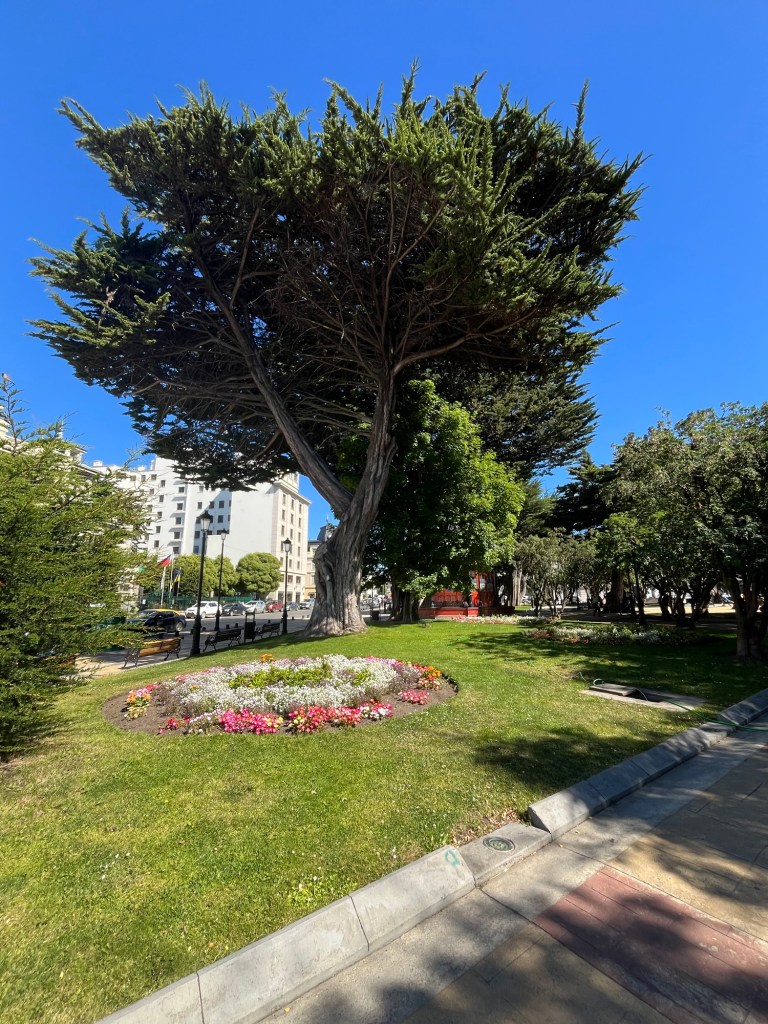
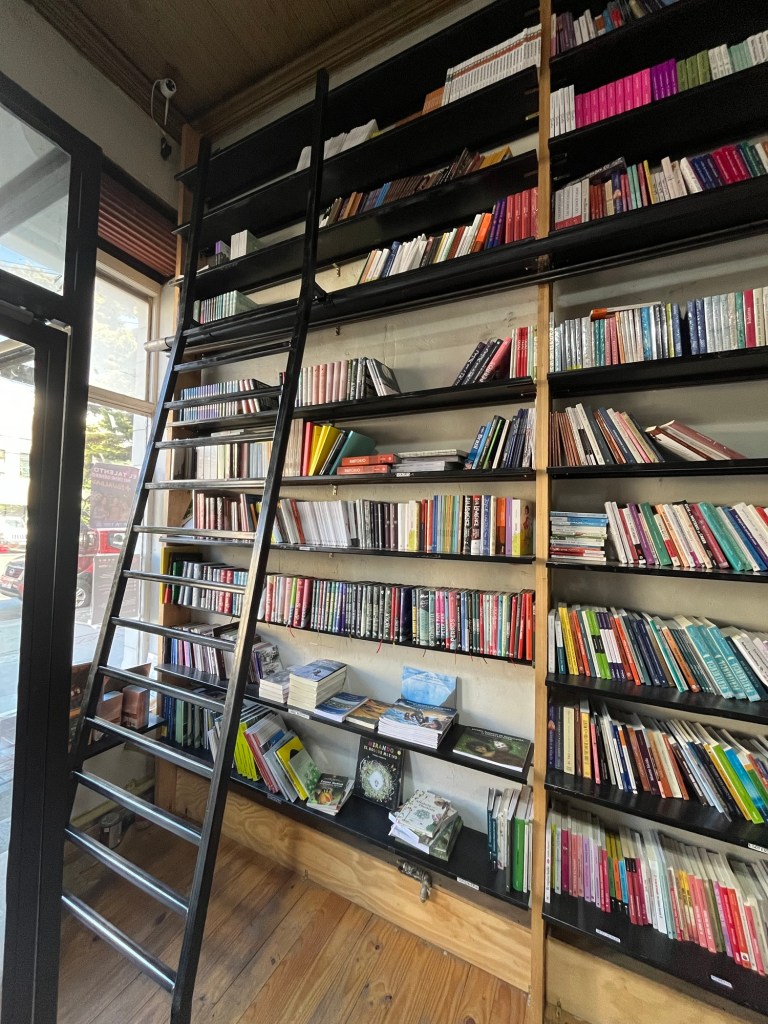
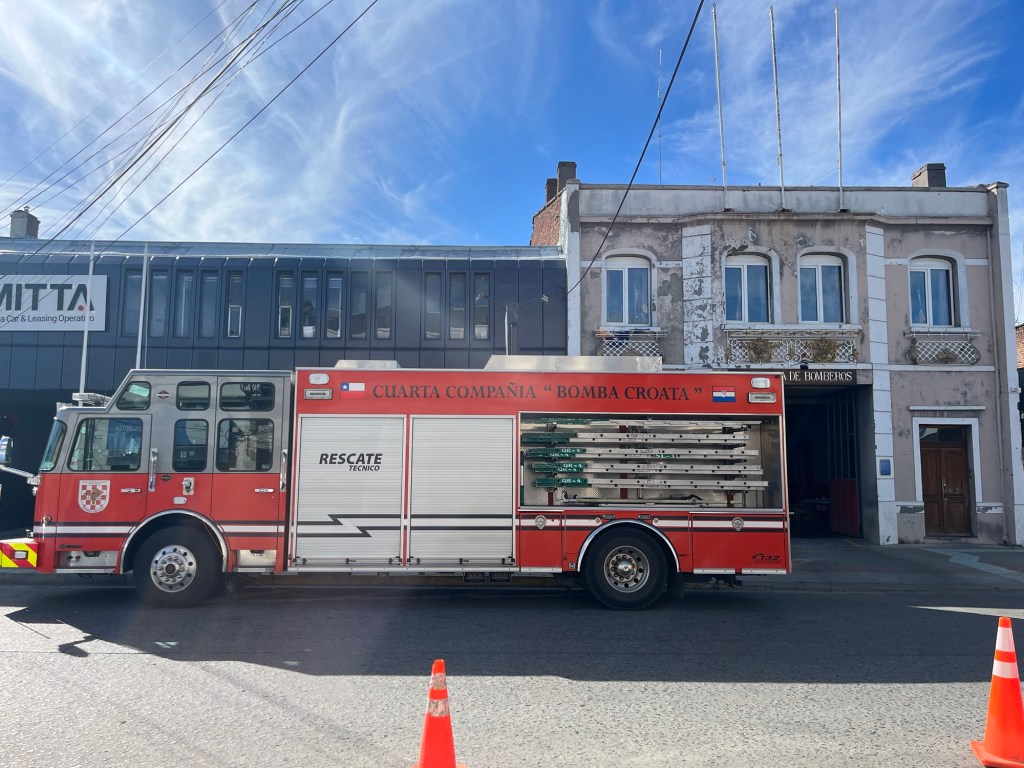
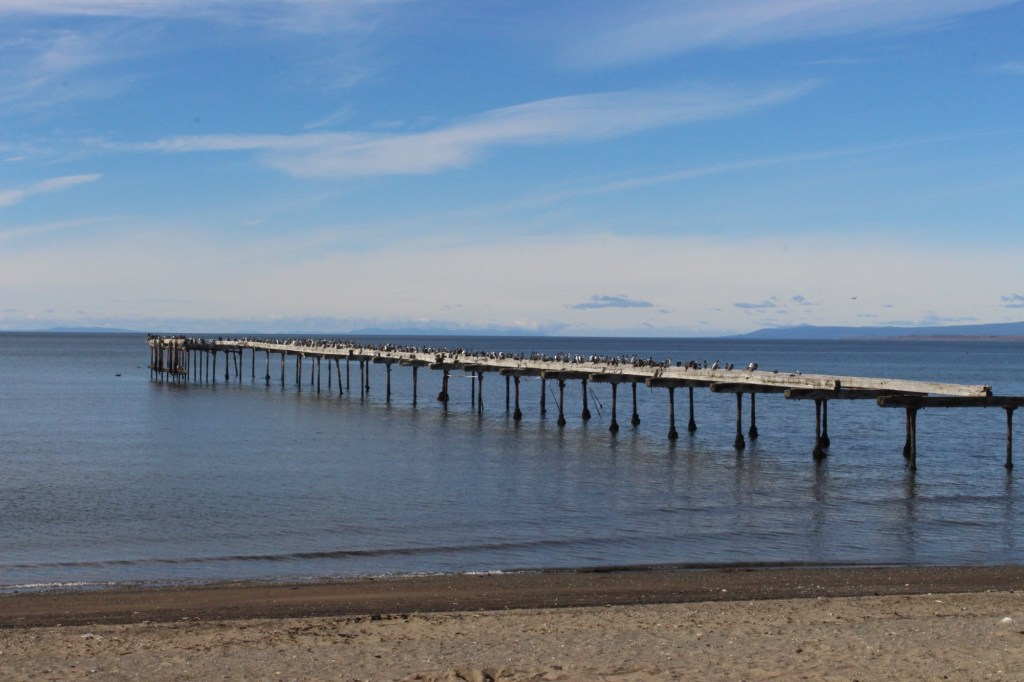
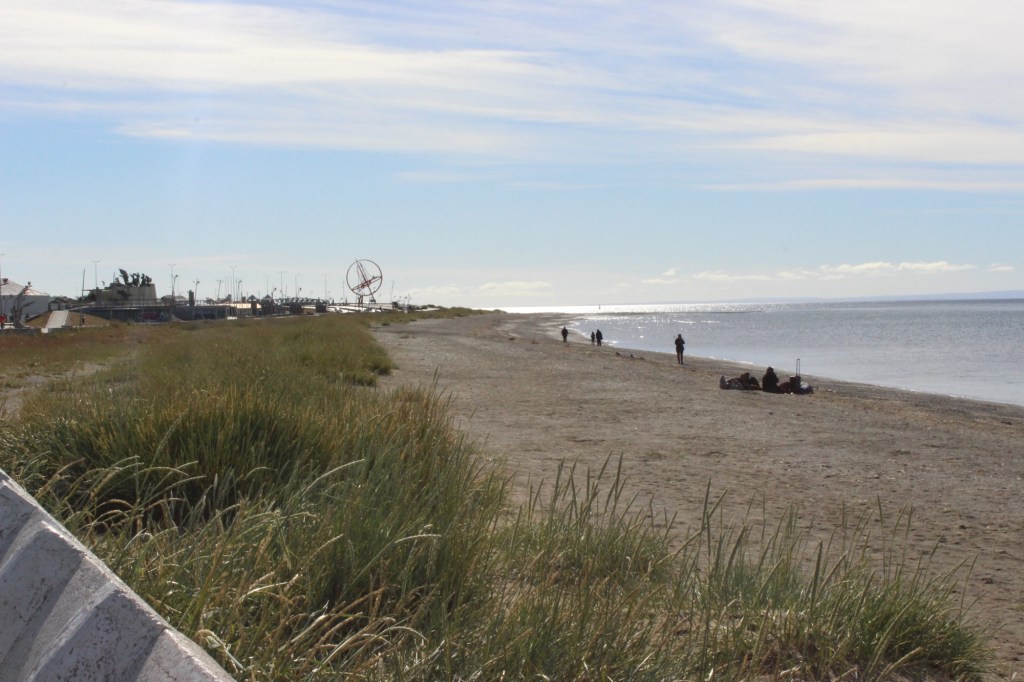
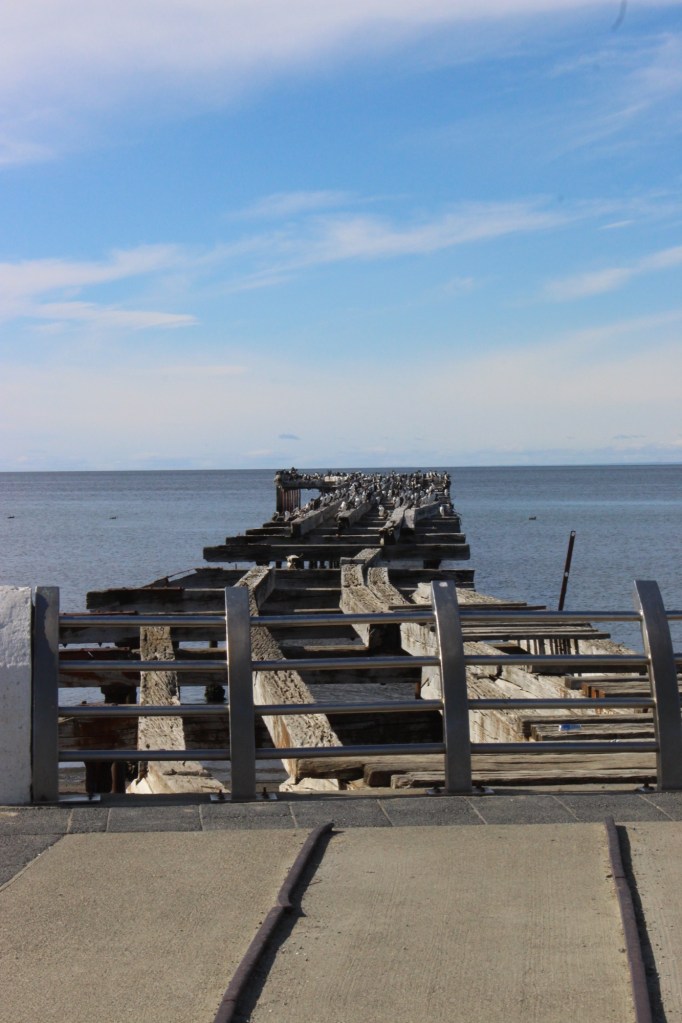
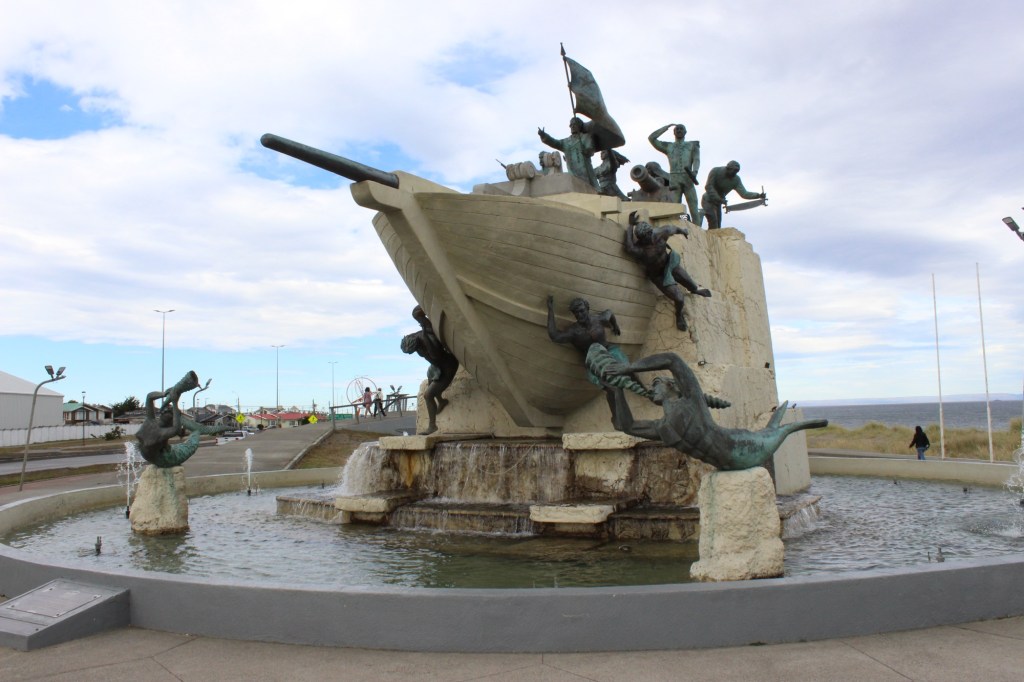
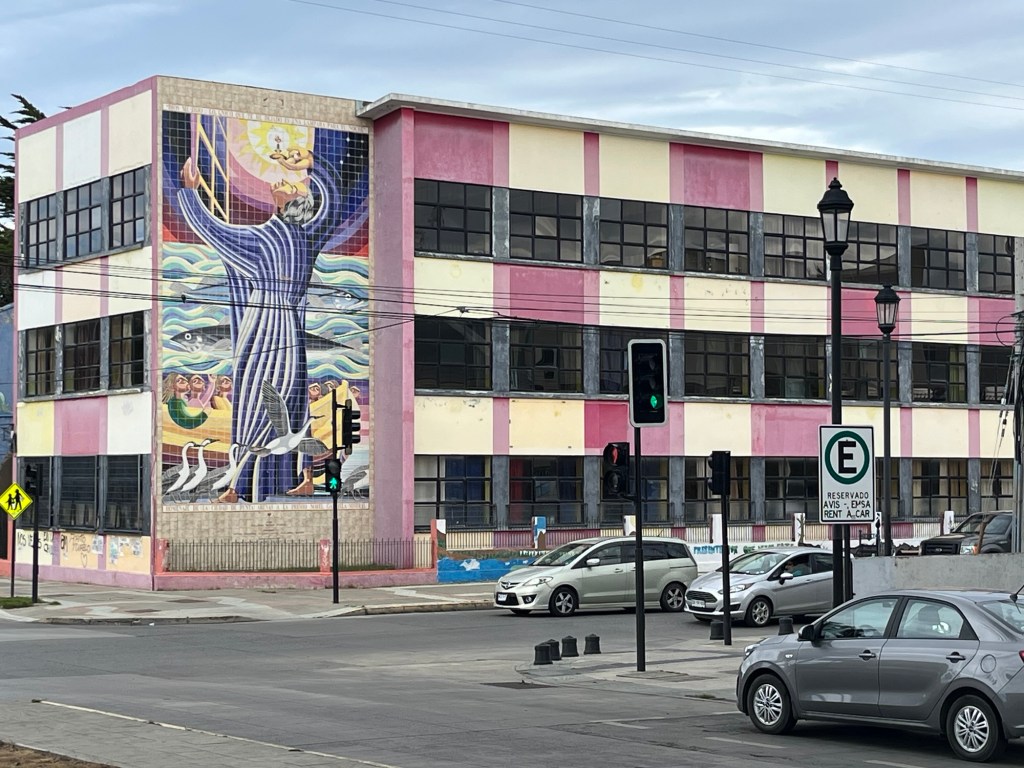
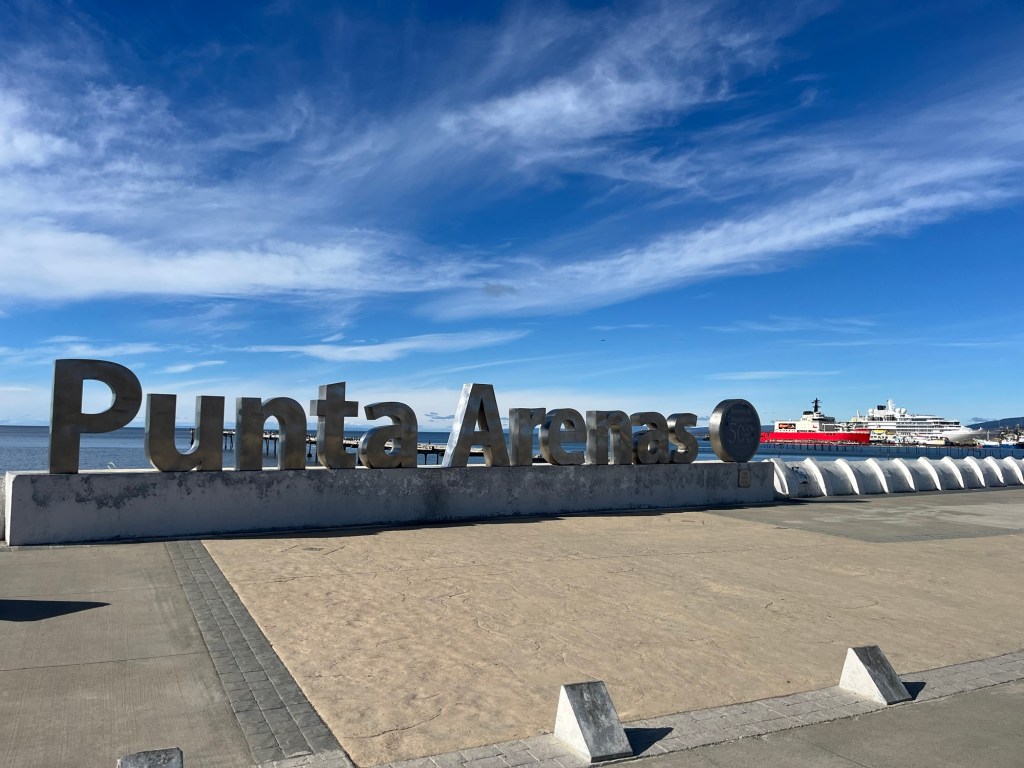
Patagonia, which sits across Chile and Argentina, has fuzzy borders and a disputed ownership. One thing is clear, in Punta, they see themselves as Magellanic – of the Magellan Strait. The first settlement of the now city was in 1848. It was then largely a population sent there in disgrace and disorder, to the ends of the earth. Later it was settled by a big immigration push which promised people, largely fleeing Europe, lands for farming. Farming was however tough, until a population of Falklands sheep was brought over and a booming wool trade began.
For a long time, it seemed like a successful union of settlers and nomadic people was possible, but tragically as land became more valuable and immigration boomed, land which had been granted to the Aonikenk was taken back. They launched a resistance and leaders of this group travelled to Santiago to protest, however they contracted smallpox and brought it back to the tribe, which was effectively wiped out as a result. The Selknam people were eradicated through genocide as they resisted the displacement of their people.
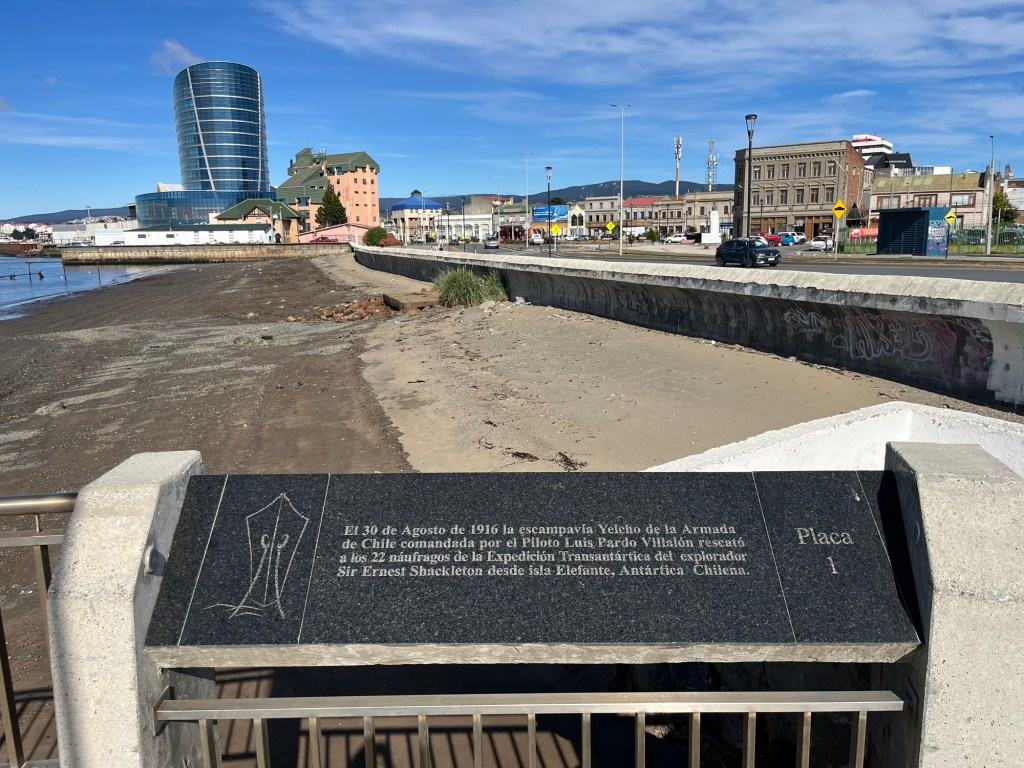
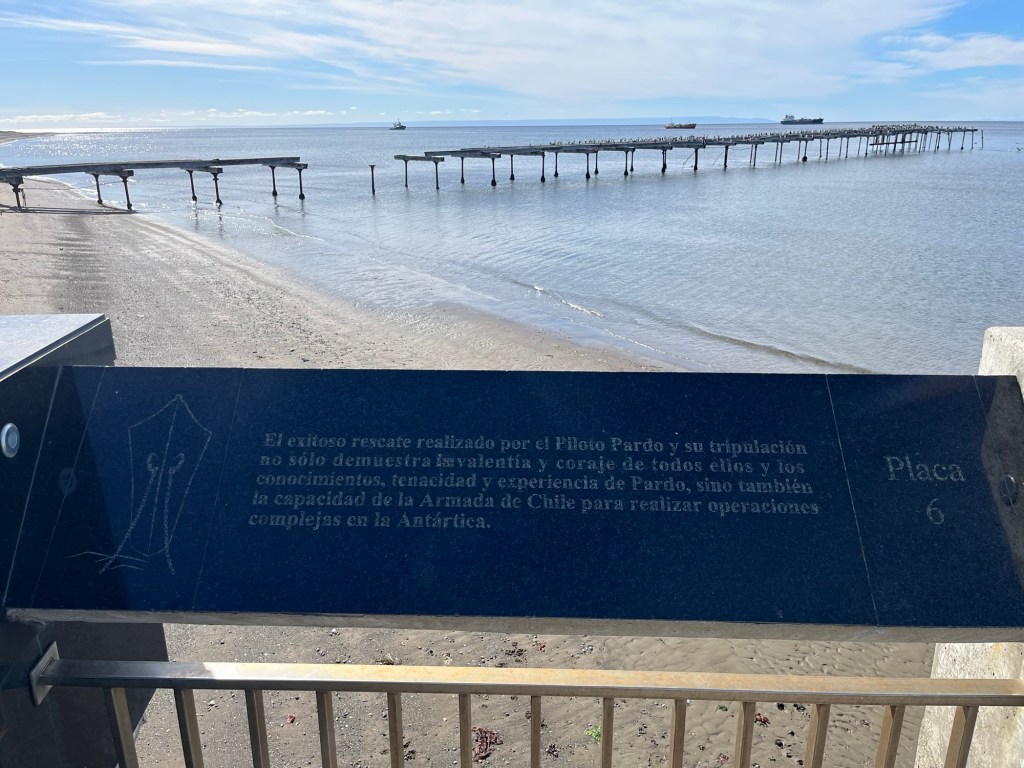
Imagine living your life with Antarctica being a neighbouring prospect? These people see transiting crew, tourists and expeditions passing through. They walk the streets where Shackleton launched his expedition, and later returned to sharing stories of the failed Endurance mission. They are keen to point out their role in the rescue of the men from Elephant Island. In their eyes the Endurance mission omits one key point – “we saved your arse!”
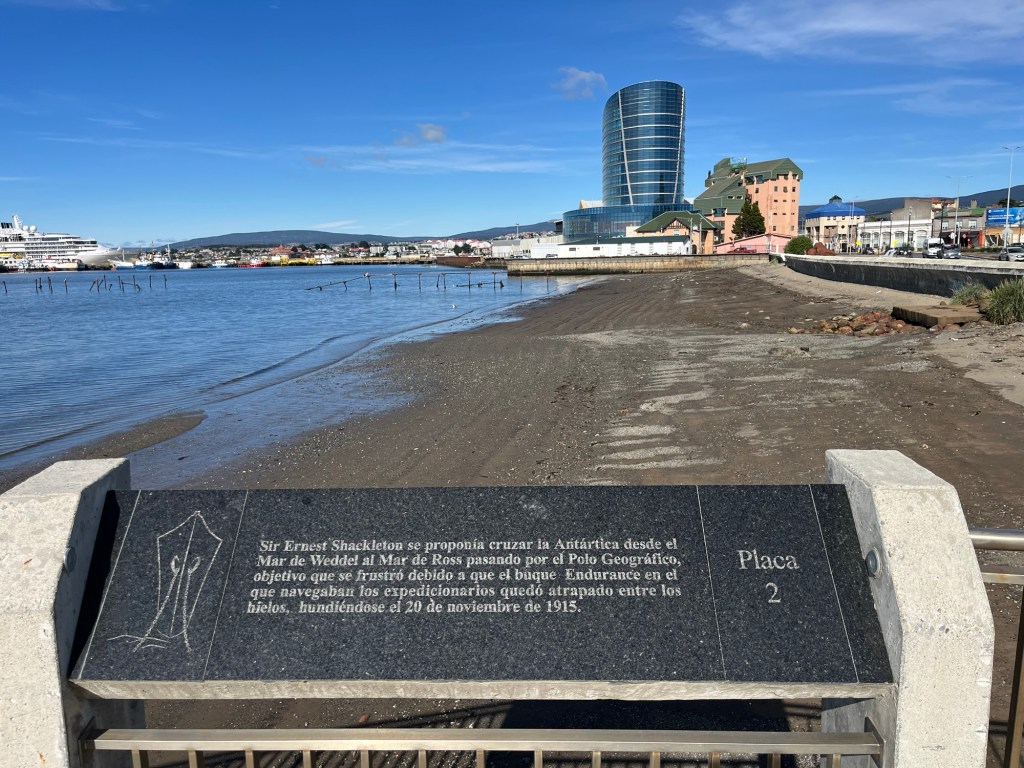
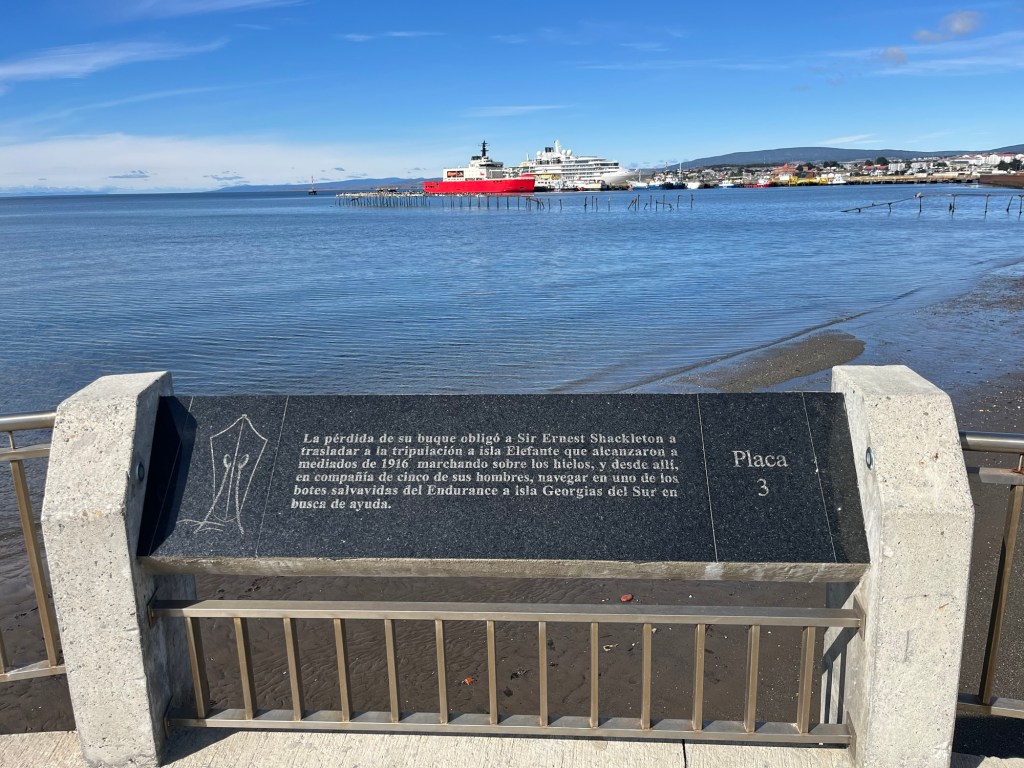
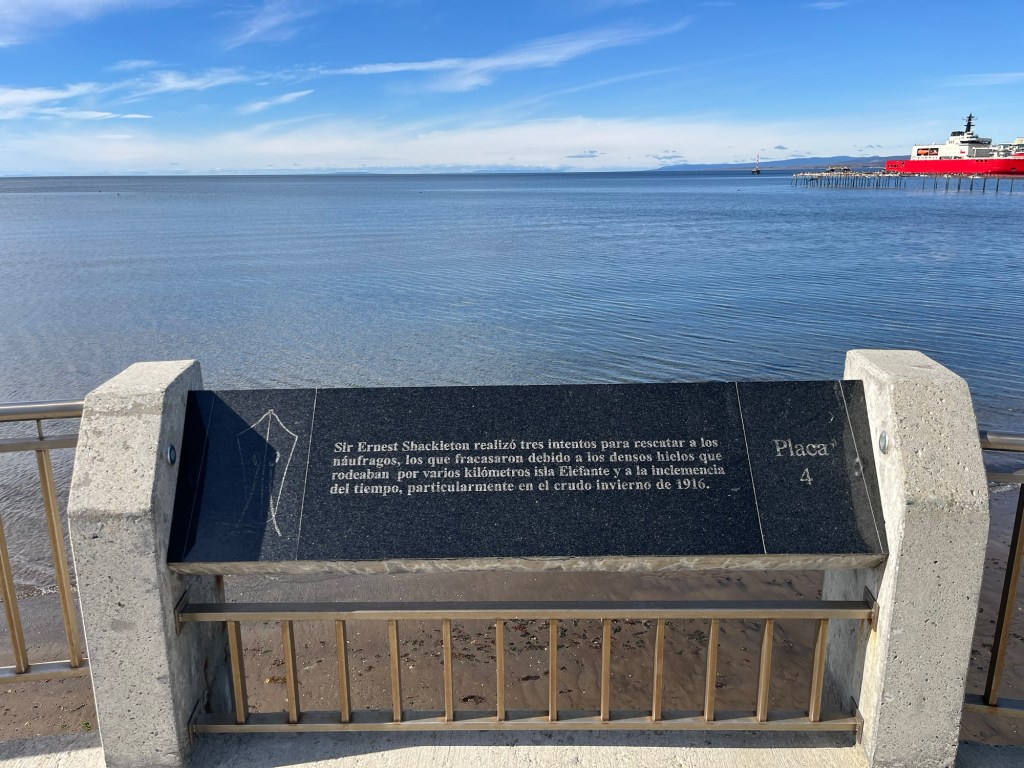
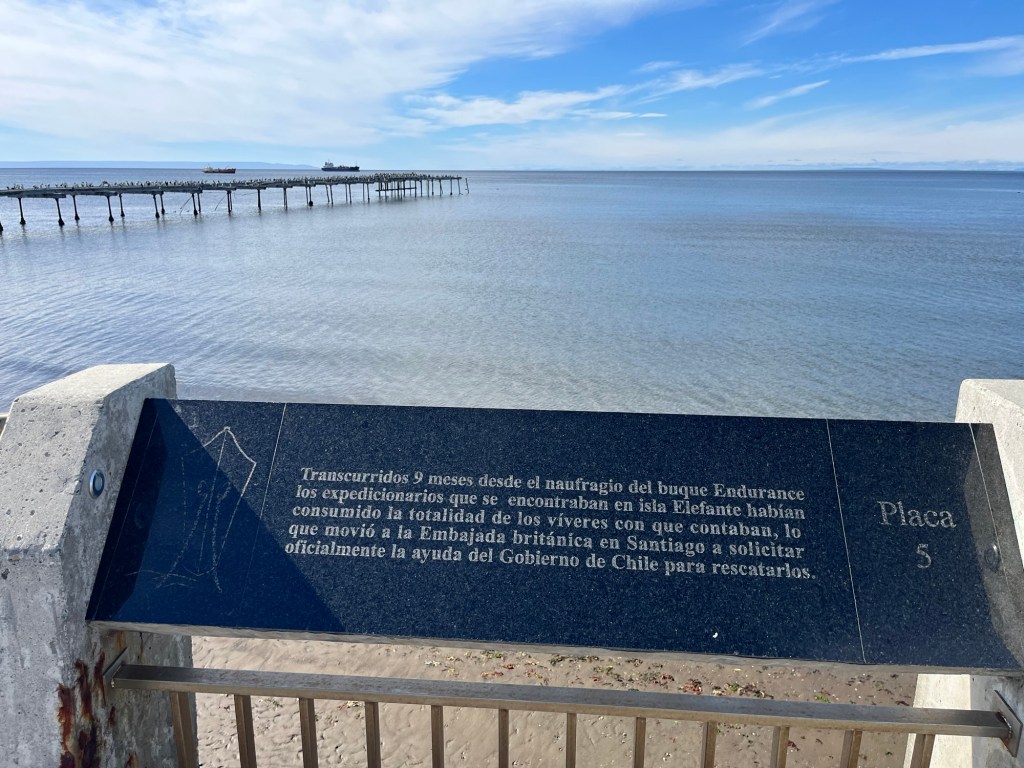
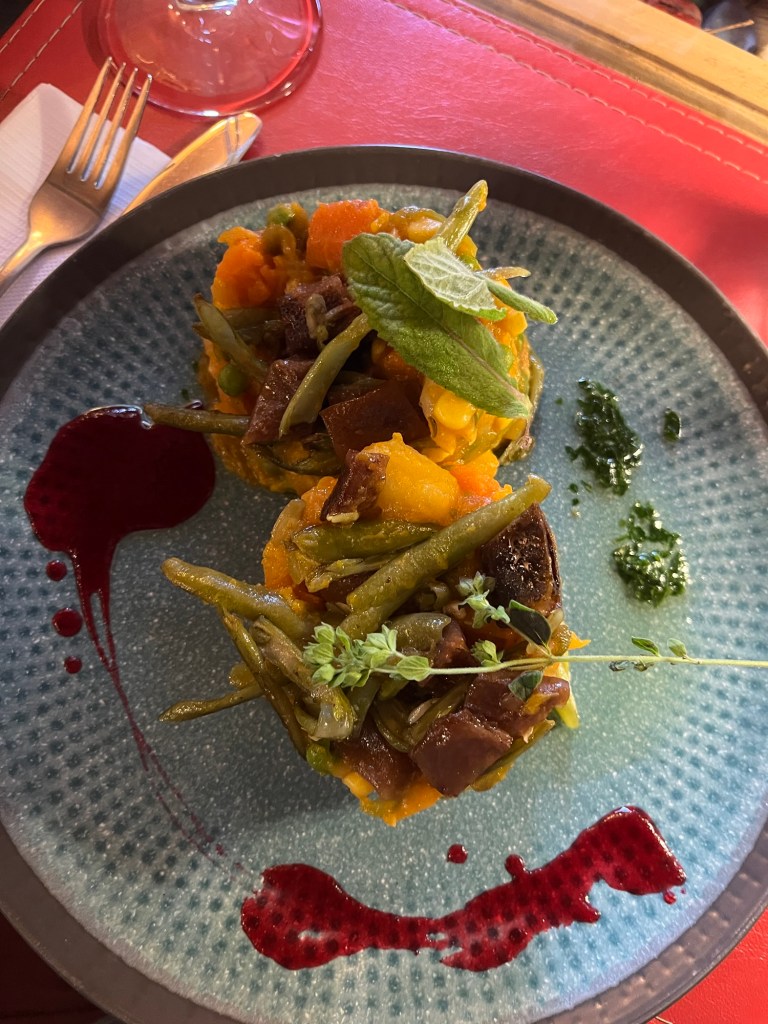
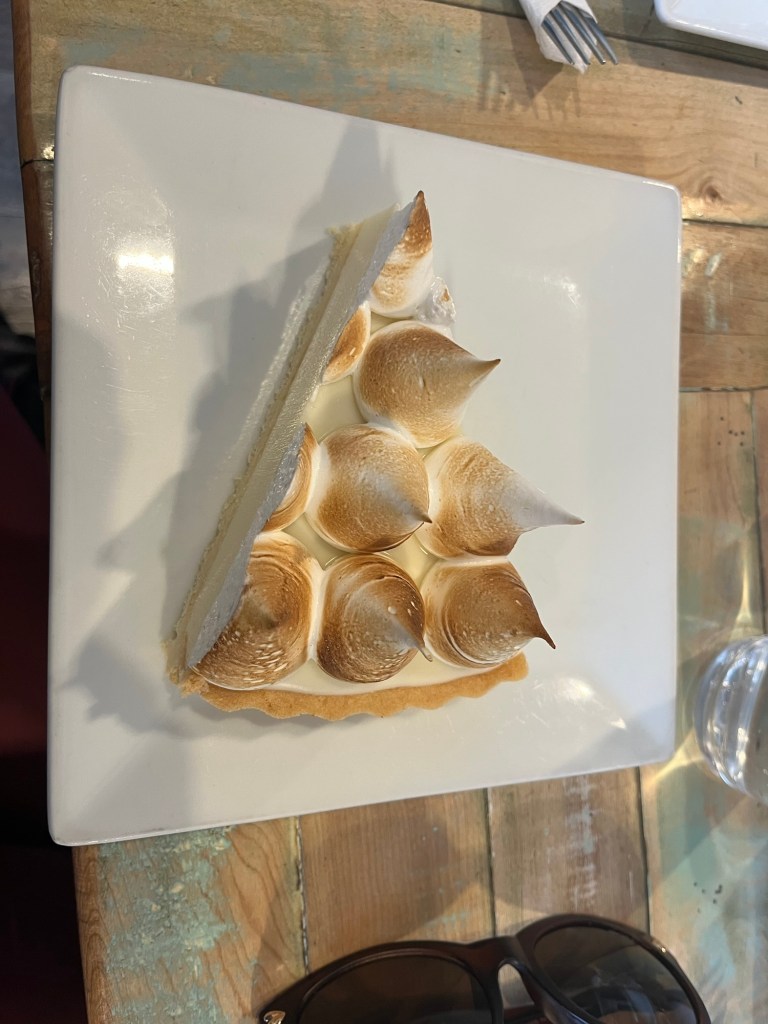
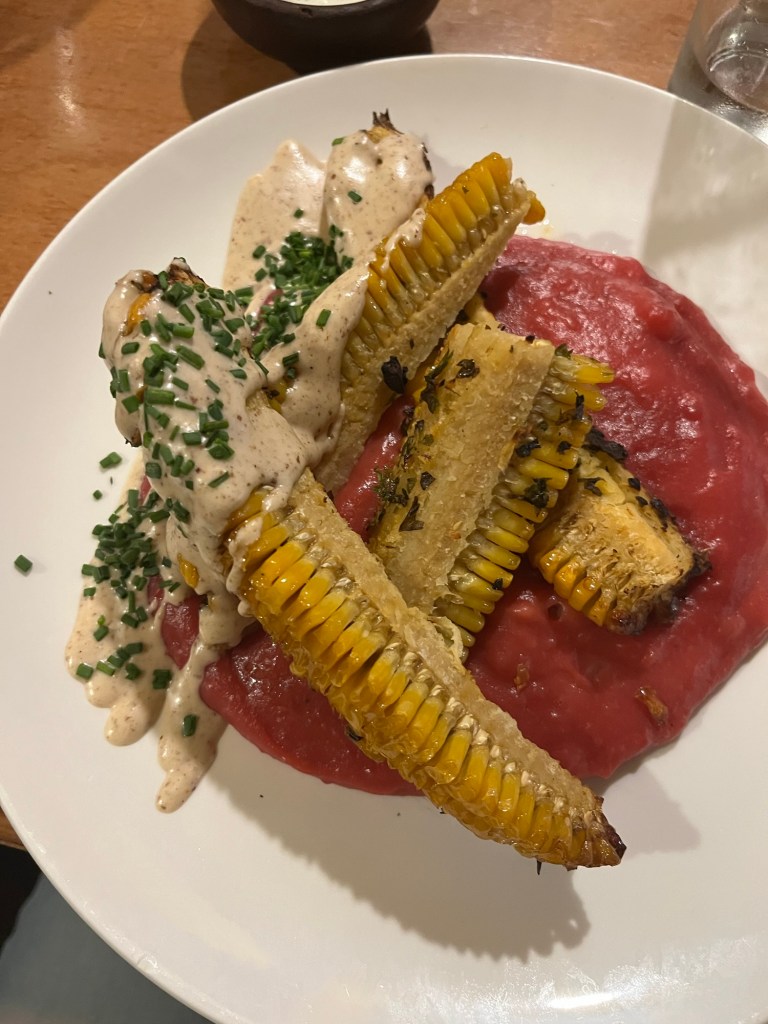
And the food was great. Obviously the influence of multiculturalism has meant catering for veggies is likely better than elsewhere, but I enjoyed Chilean stews where seaweed replaced the beef, and grilled corn and mashed beets which took me by pleasant surprise. The drink of choice is the pisco sour, which is to be recommended.
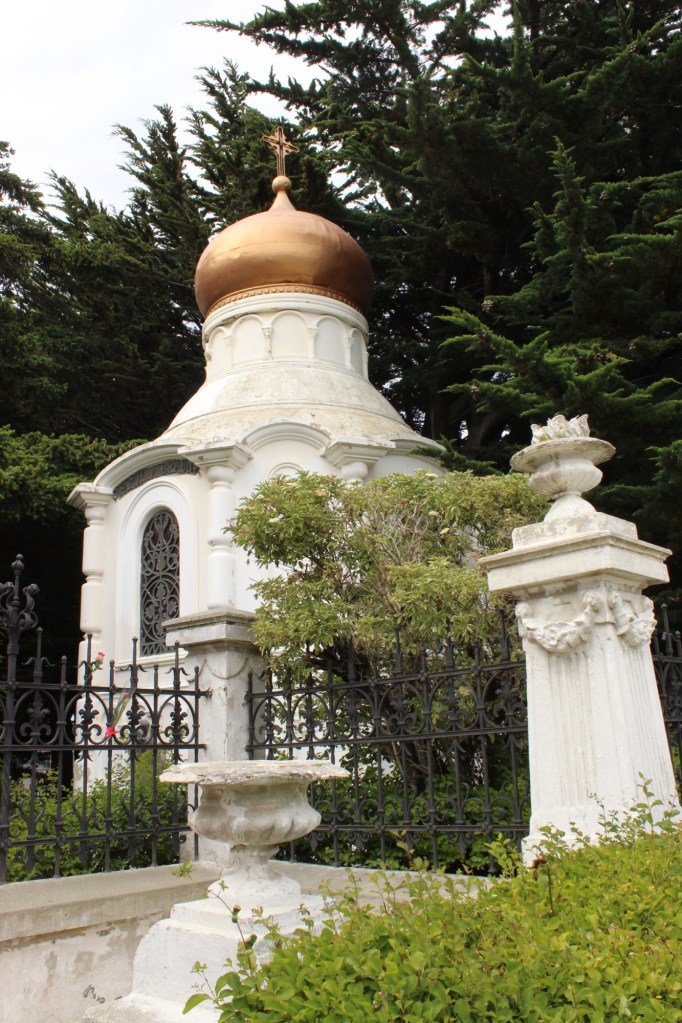
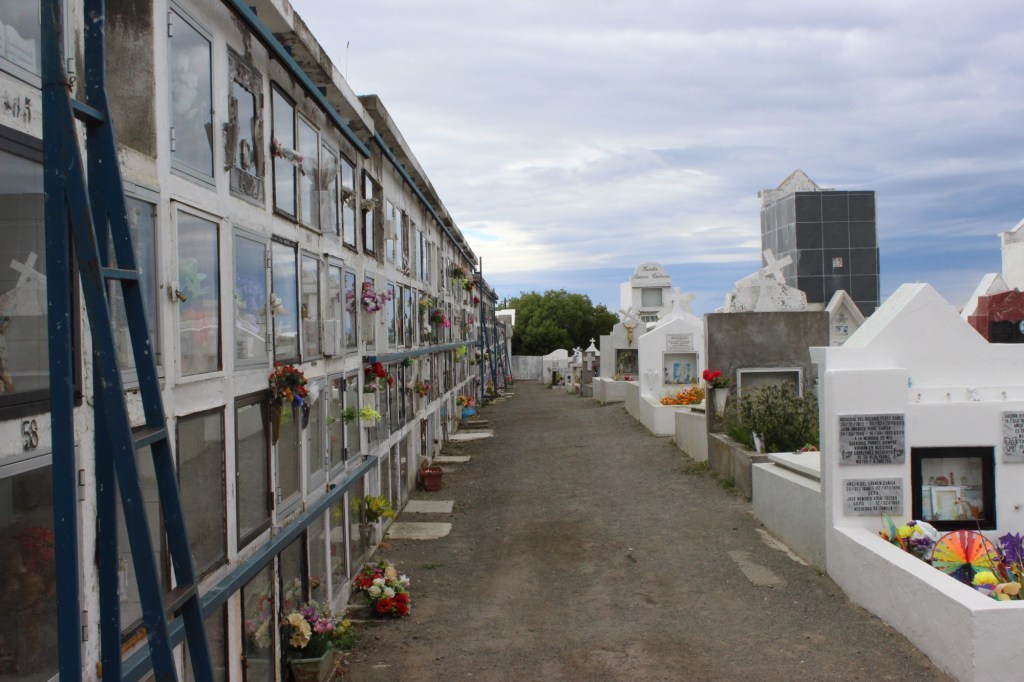
We stayed a day longer in Punta than originally planned. Windy conditions in Rothera postponed our flight to Saturday, giving us enough time to explore the grand cemetery of international mausoleums which demonstrate the many nationalities that built this relatively modern city.
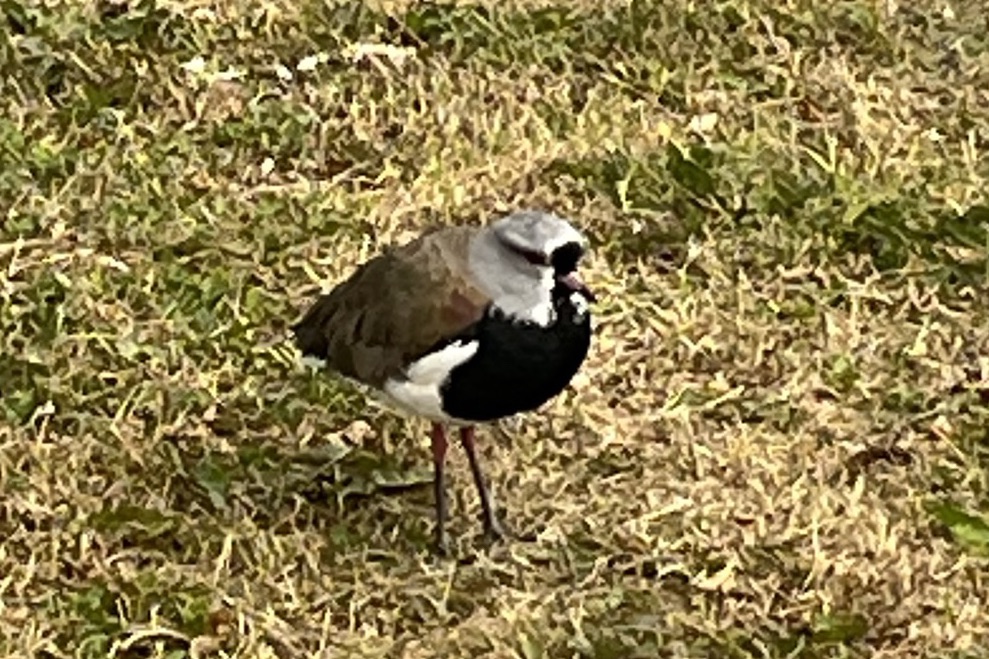
On a coastal walk I spotted both a southern lapwing, and a red breasted meadowlark with beautiful red breasted plumage.
I enjoyed putting my Spanish to good use, ordering fresh juices of every flavour. We were also nicely bonded as a group. It was easy to forget we were on our way to work, rather than just a mishap group of unlikely holiday makers. All that was left was to wave goodbye to Punta from the sky!
 Lauren Baillie
Woo hoo. You’ve made it to continent number 6 and reading your blogs zooms up to the top of my lists of fav things to do. Punta sounds like a wonderful mix and a place that has and will survive come what may. Xxx