Our next destination was Drake Bay. Only accessible by boat or 4×4, we had opted for a trip from Sierpe to this cut off destination. We took cash, limited luggage and plenty of bug spray, ready for the jungle.
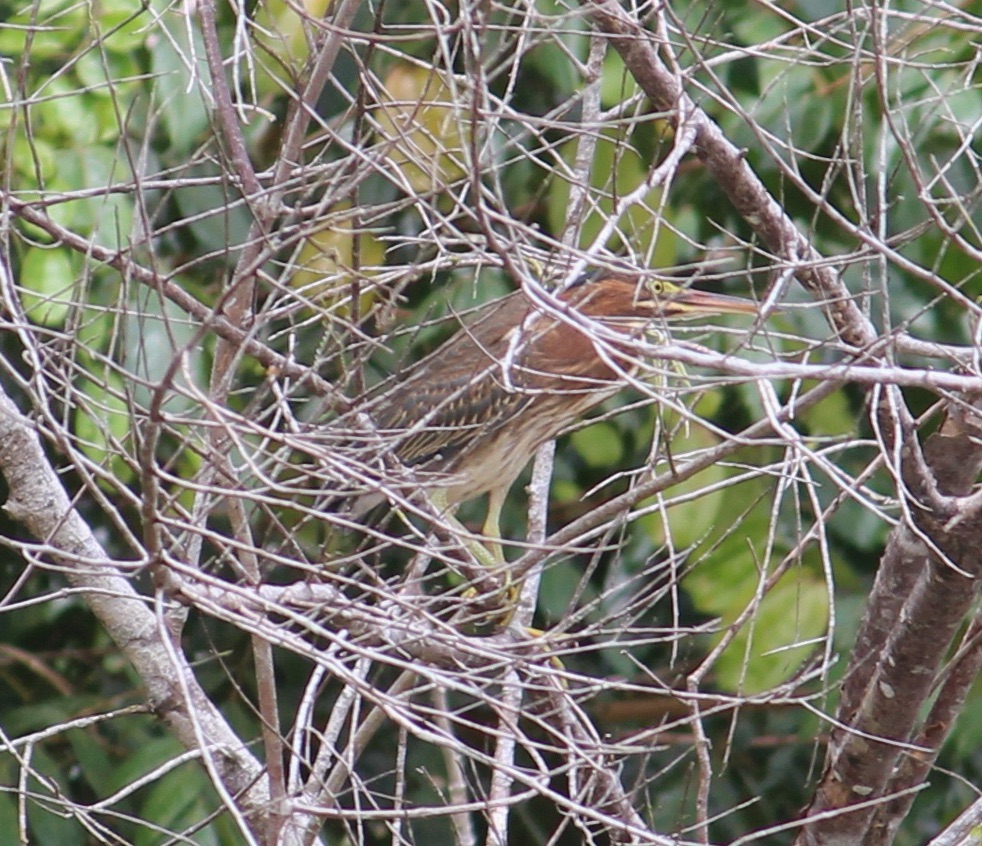
Sierpe was a small settlement on the river where bits of greenery were being continually swept down the fast moving river. We got onto a small boat and set off, moving fast into a fast flowing wide river. On the way, the skipper pulled over for a large croc on the banks, but as the fully established bird nerds that we had become, we were more preoccupied with a Least Bittern who flew past and perched nearby!

As we approached the mouth of the river, the sea began to look daunting. Huge waves were rolling in, and breaking over a rock formation on the left. The only thing is, we were heading left – south down the coast. The boat had to tackle each wave head on, then turn, manoeuvre through the rocks at full speed, sideward to the wave, then turn to meet the next incoming wave head on. It was a dicey few minutes!
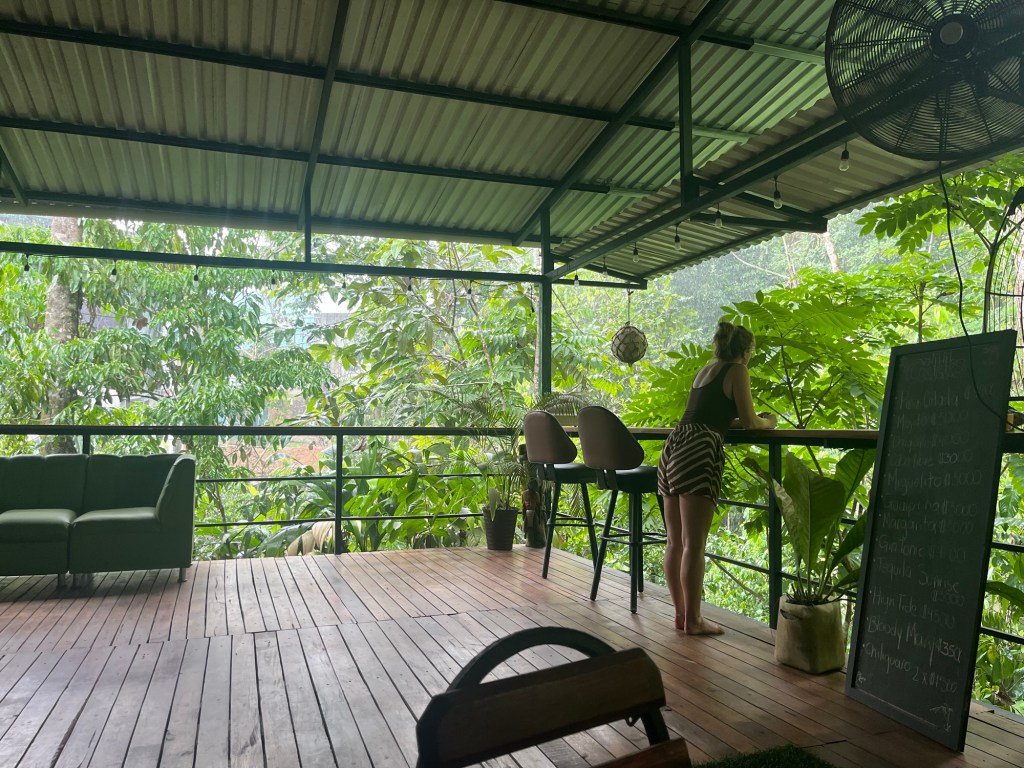
Landing on the beach involved the wooden boat reversing onto the pebbly beach, and everyone piling off whilst 2 of the crew steadied it against the waves. We had arrived. Drake Bay was humid, and our little hostel sat atop the hill with a view out to the coast.
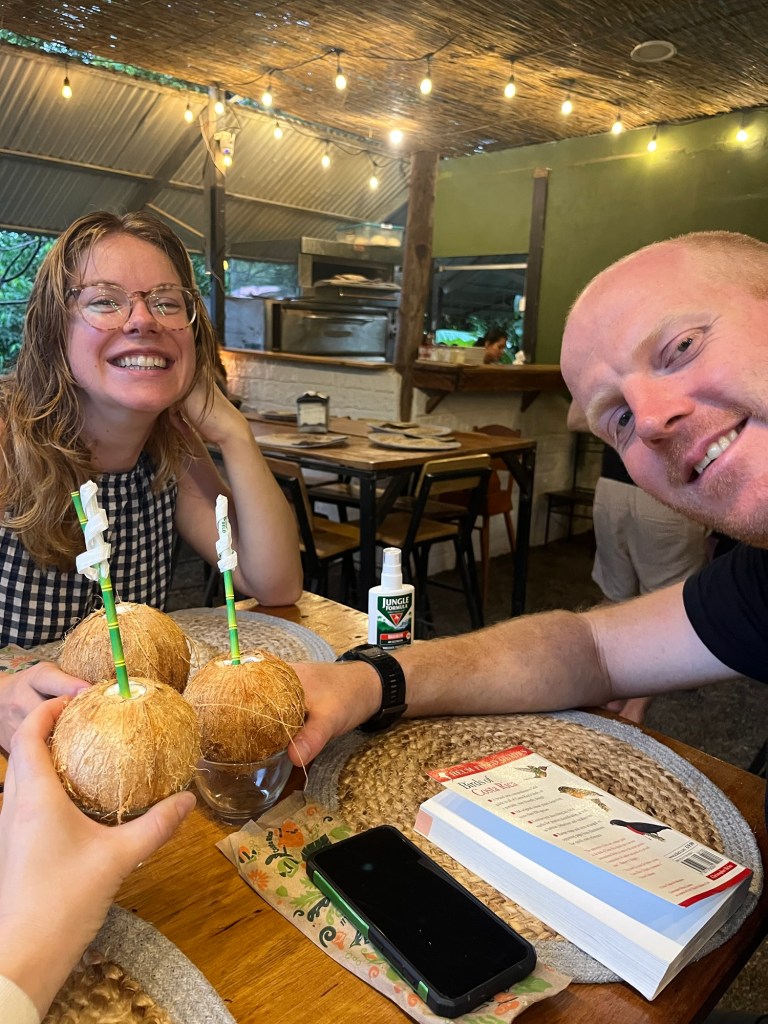

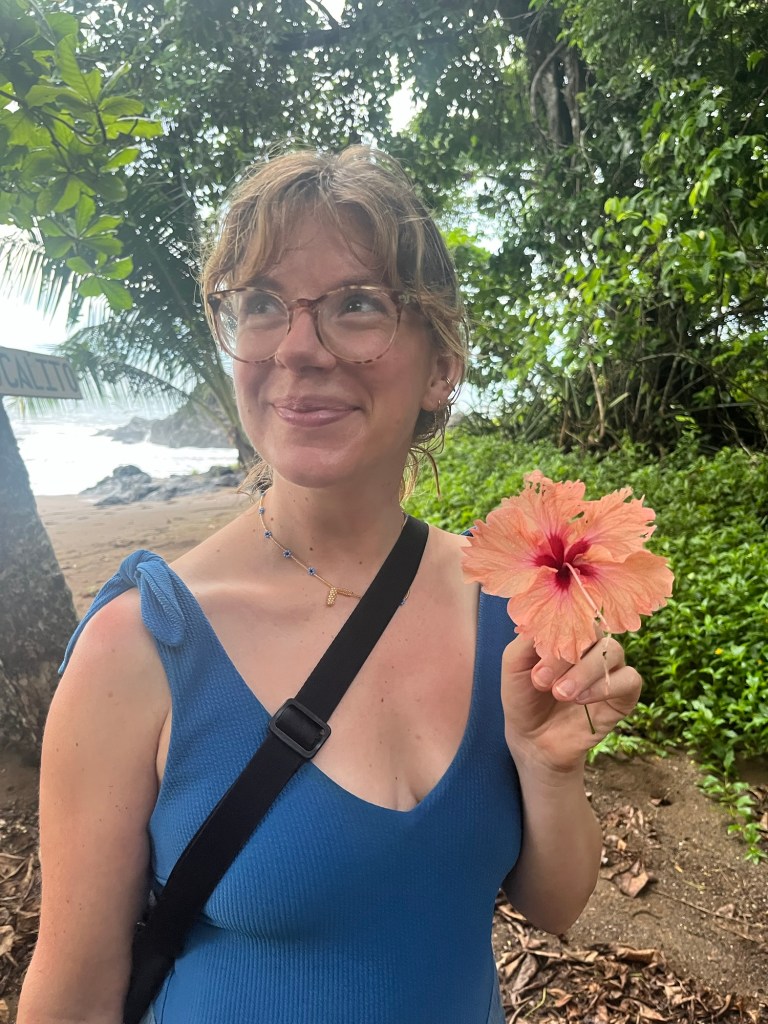
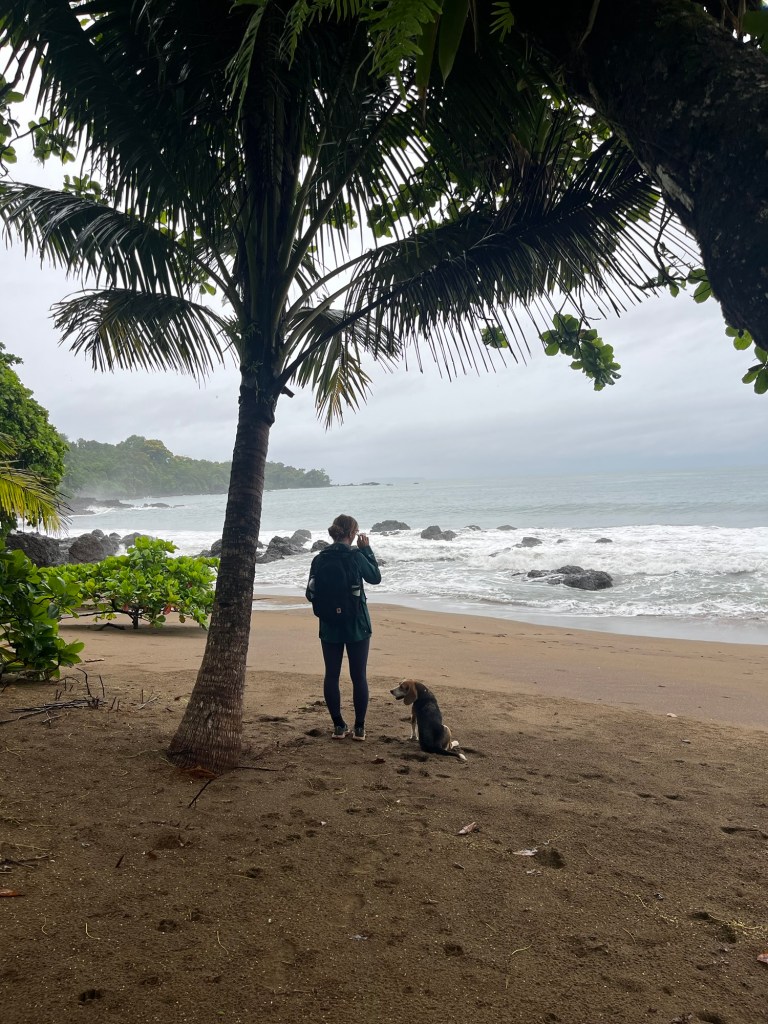
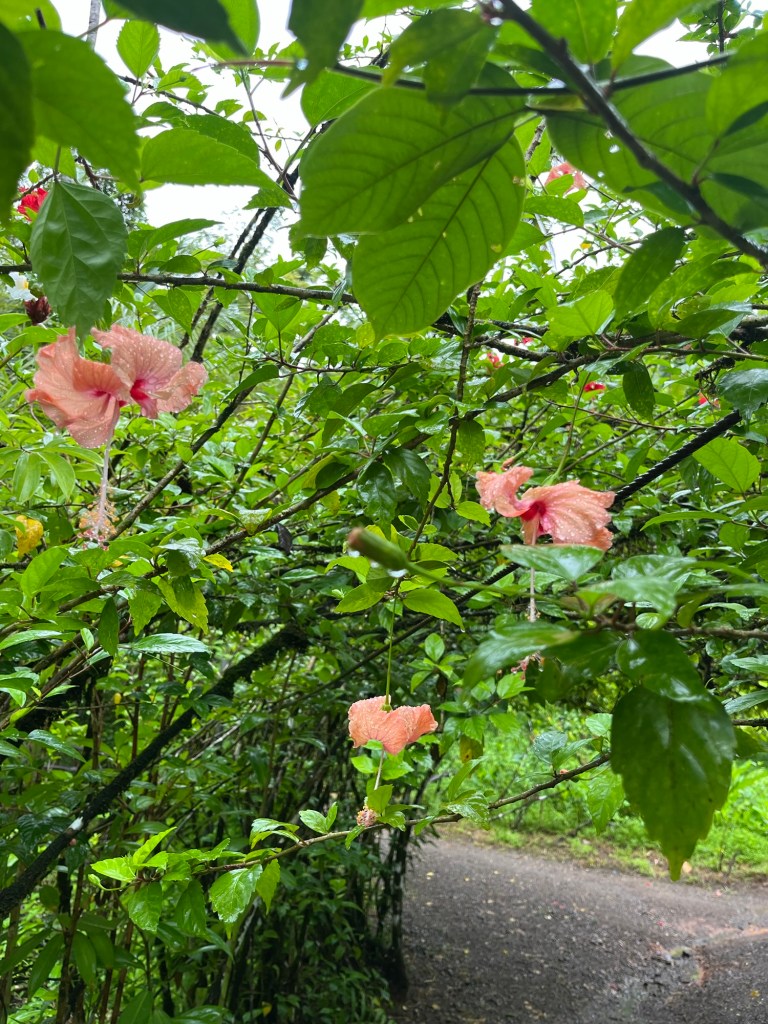
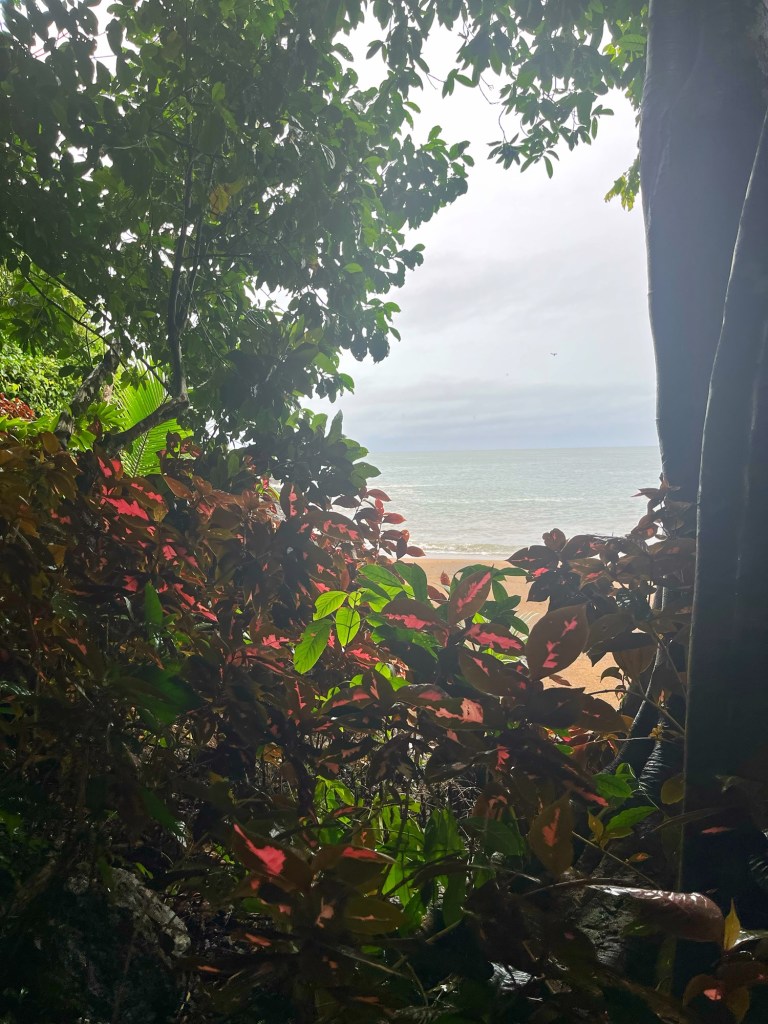
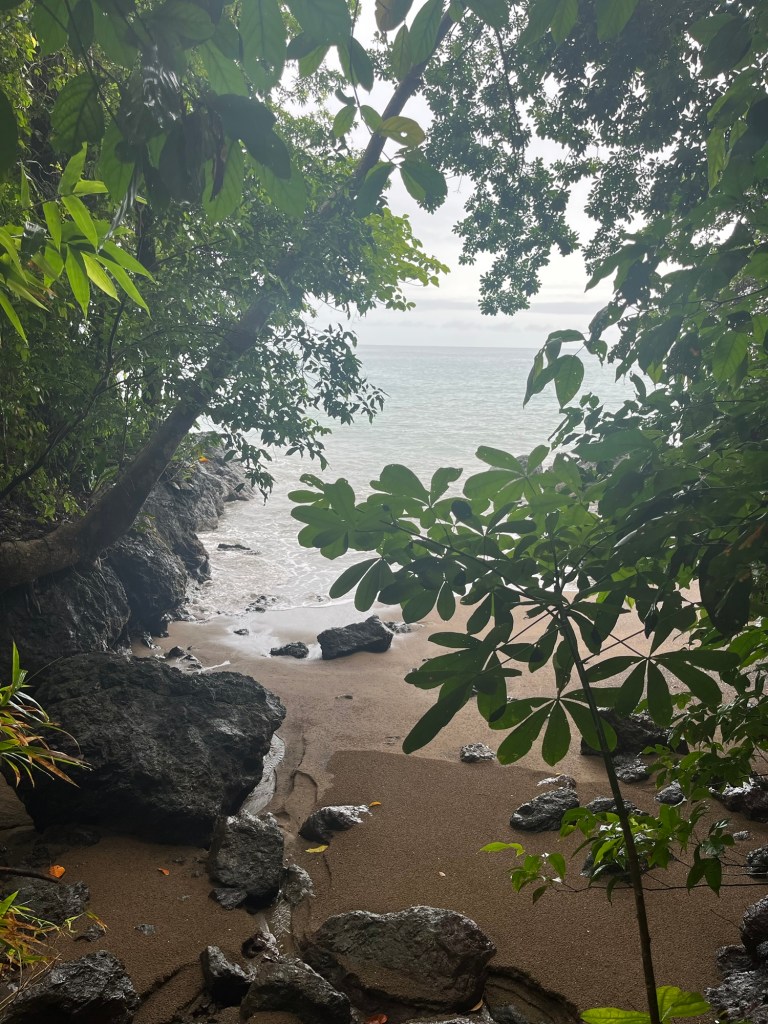
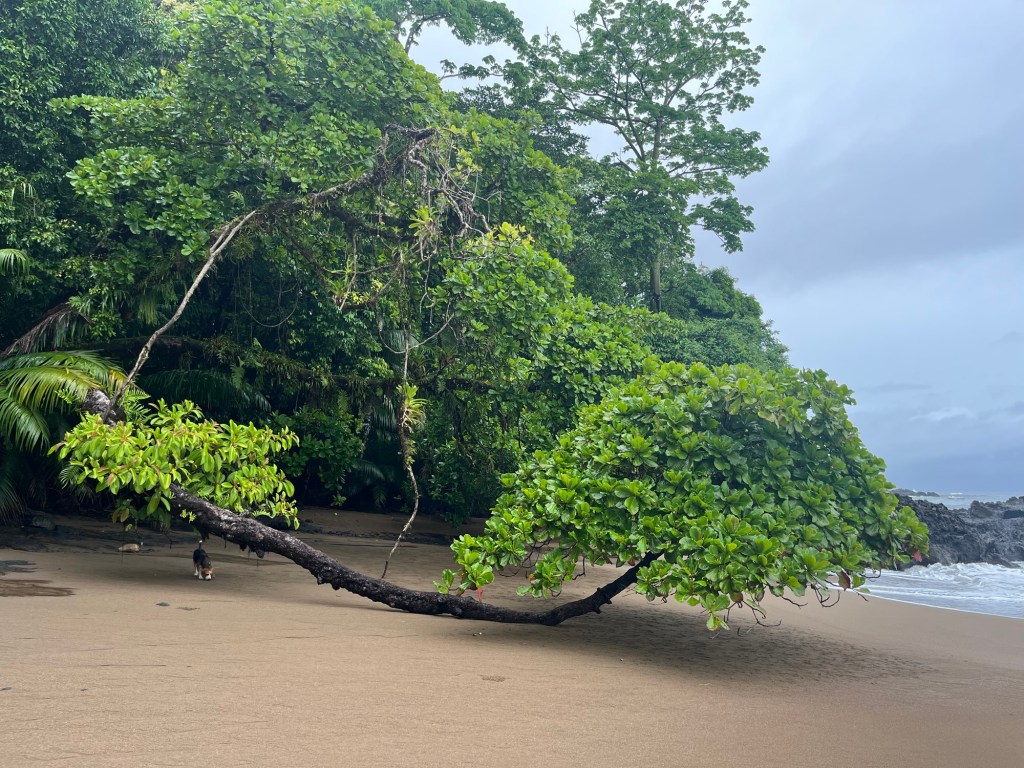
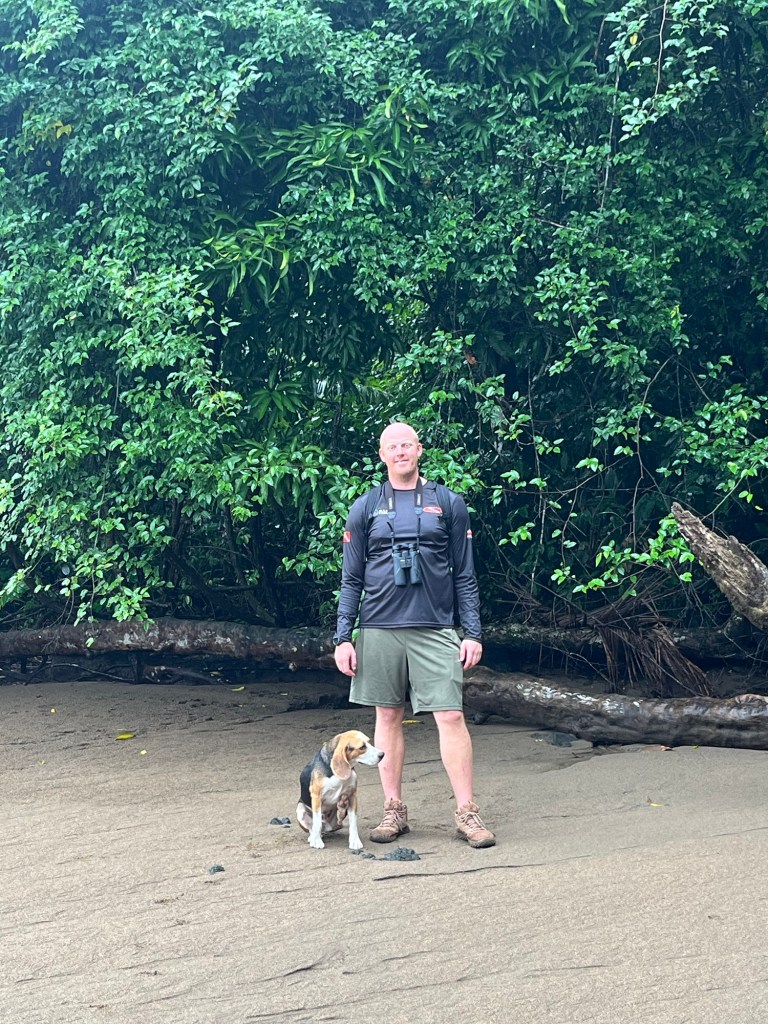
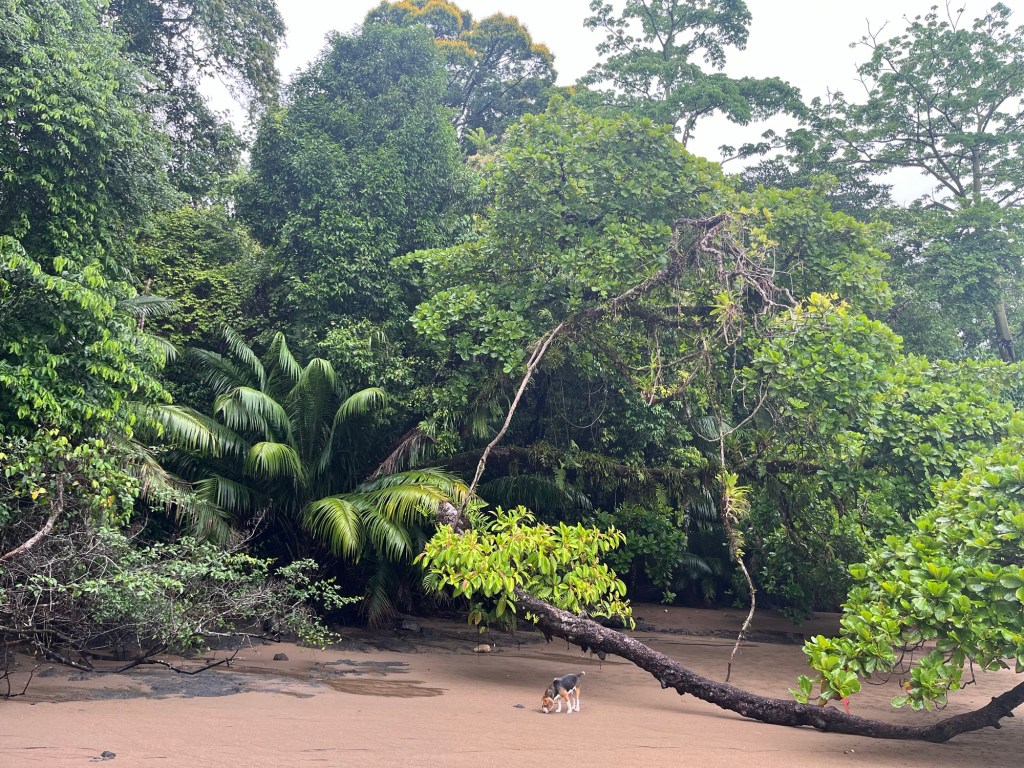
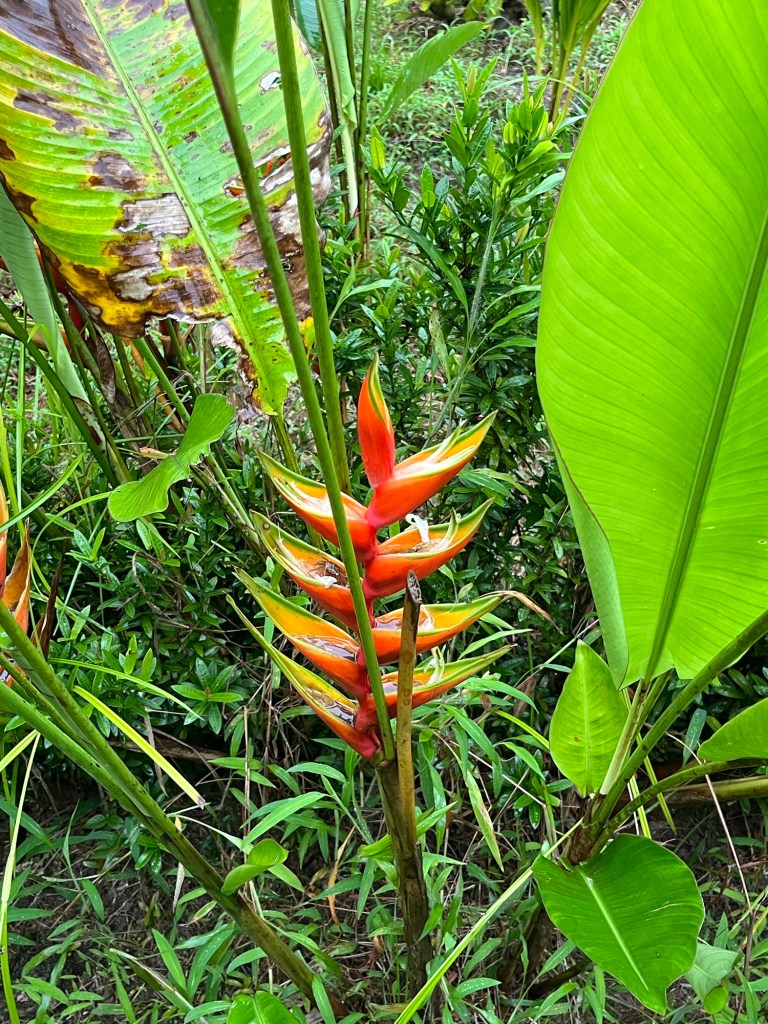
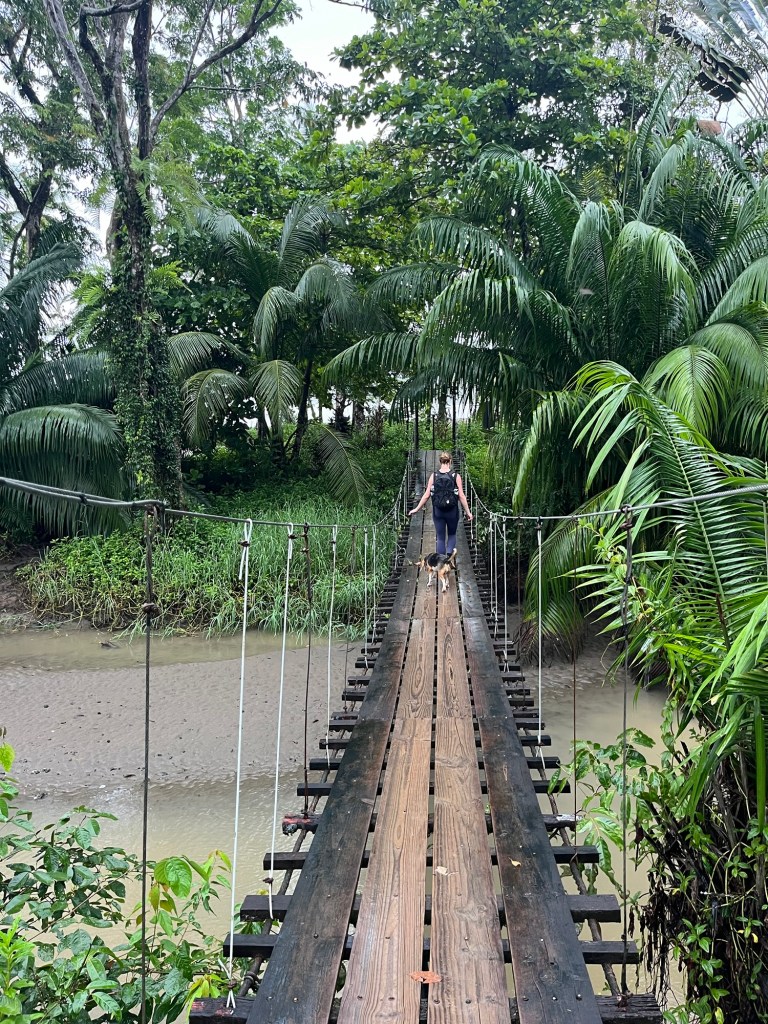
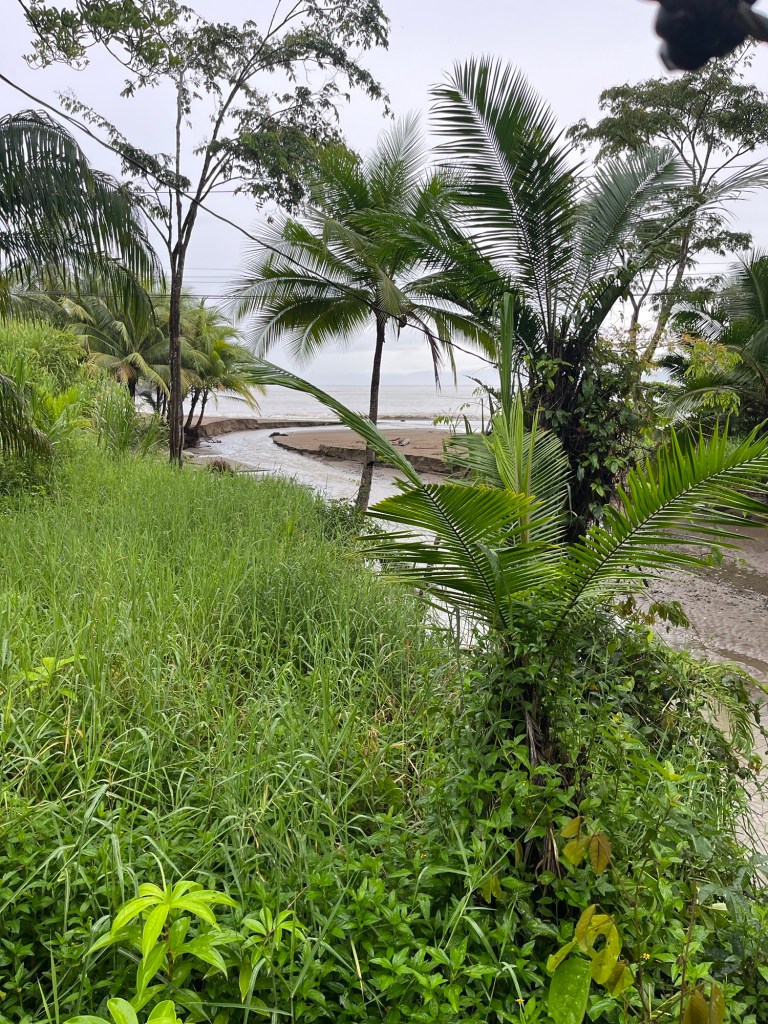
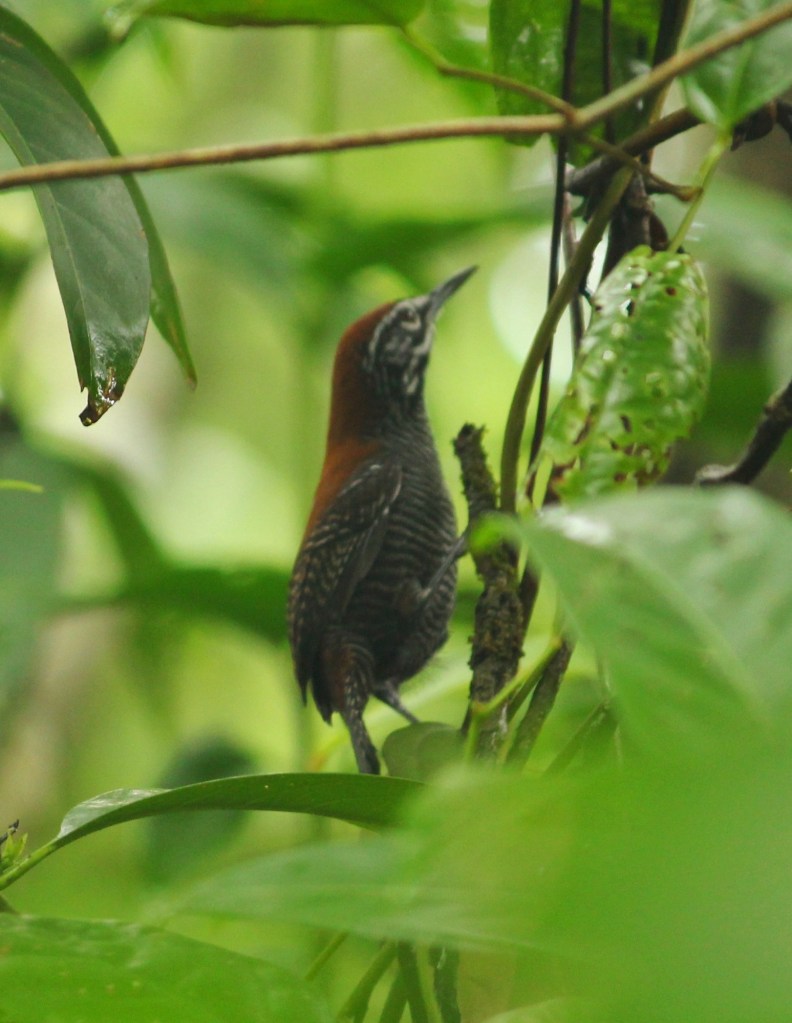
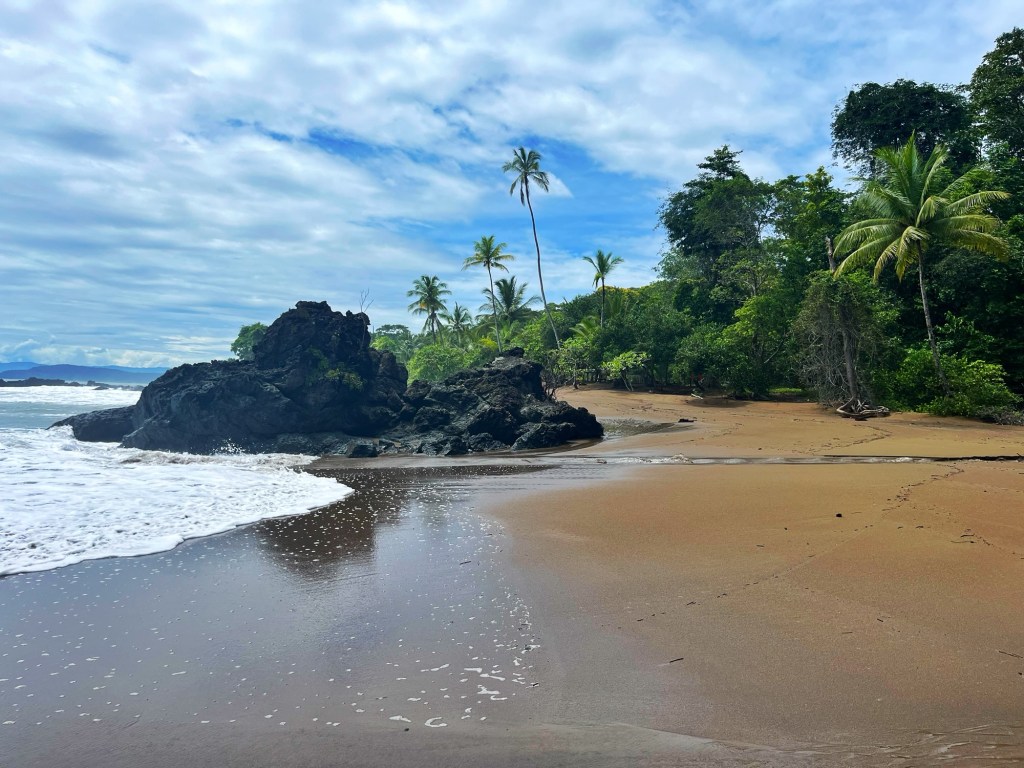
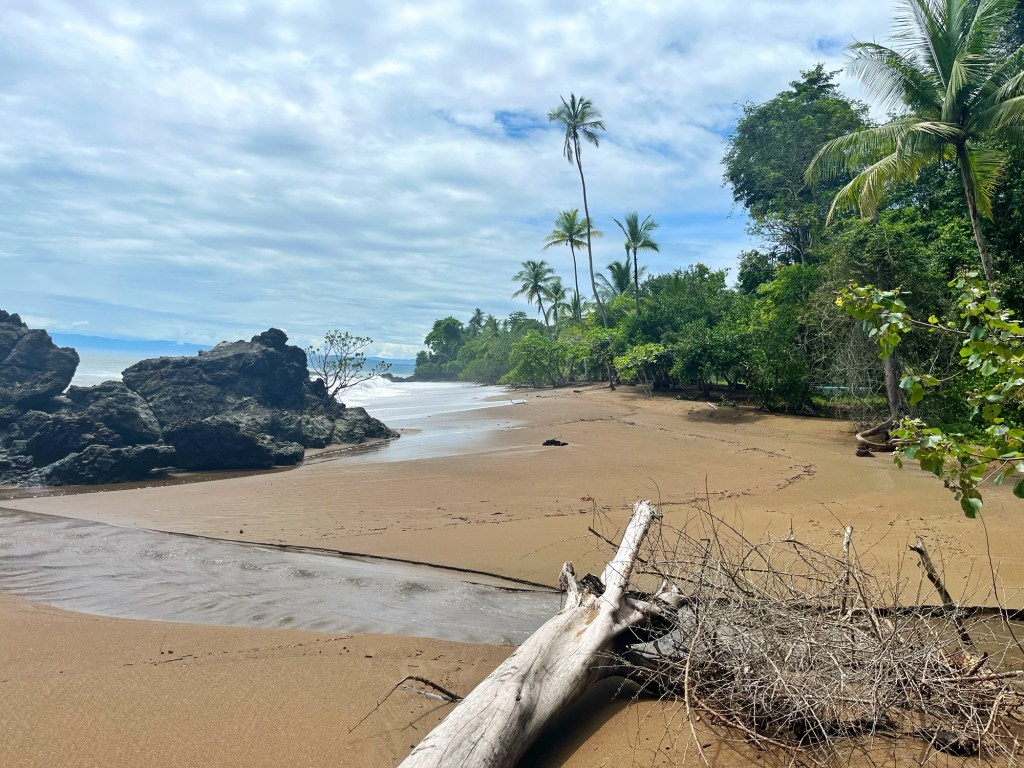
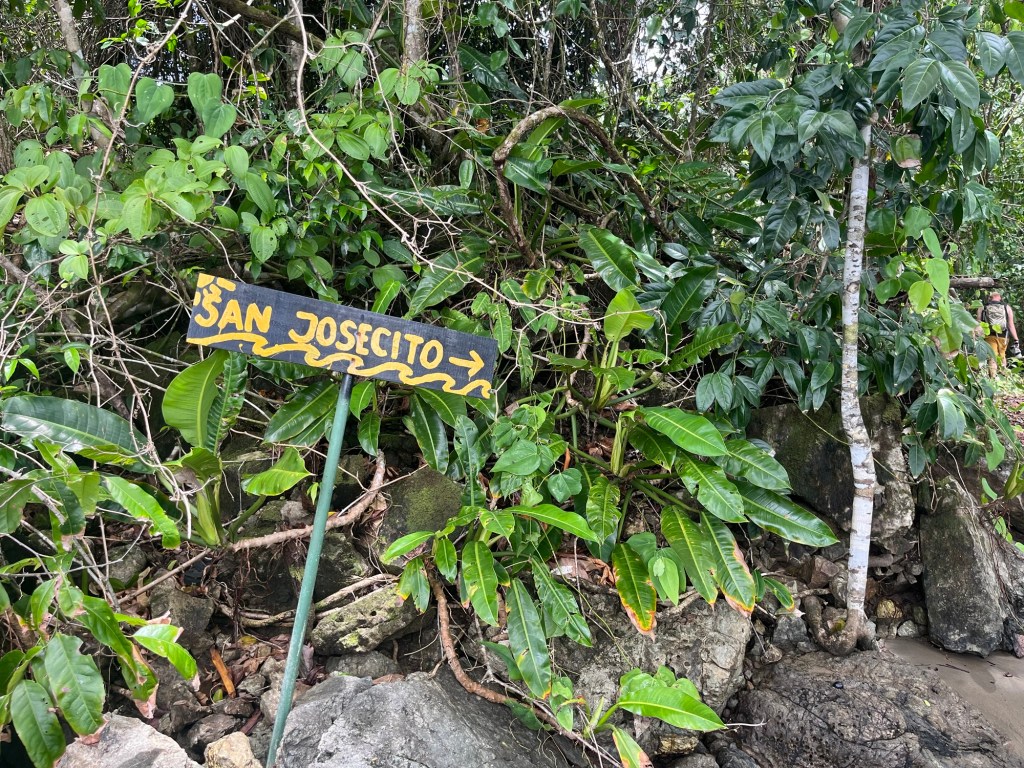
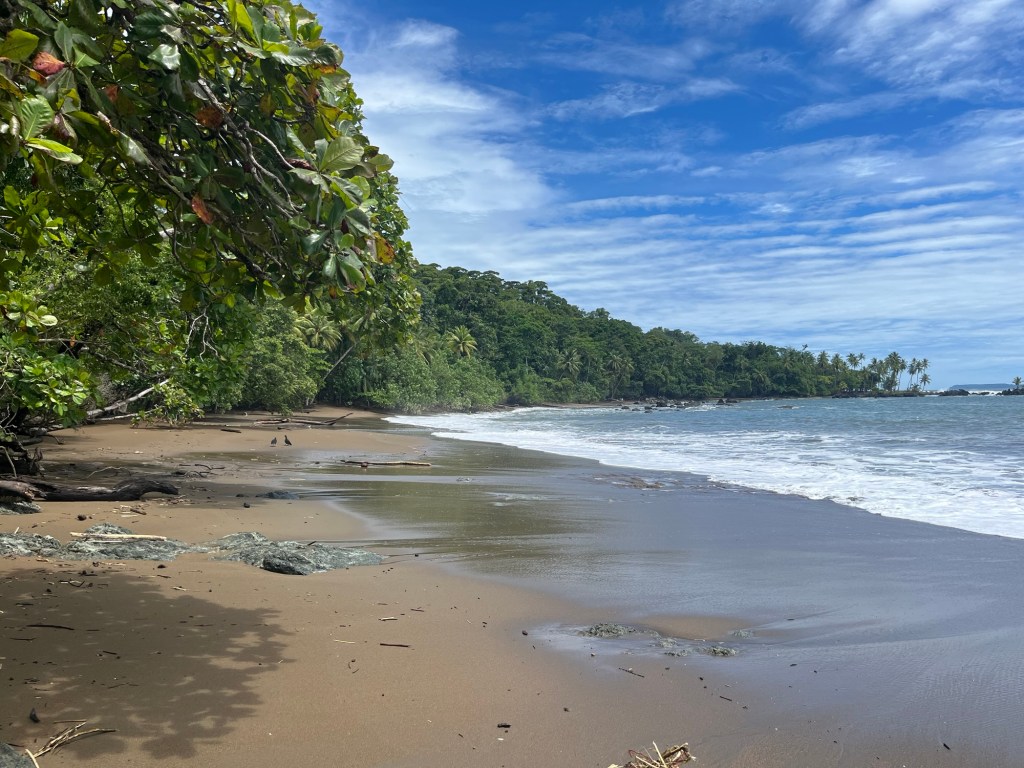
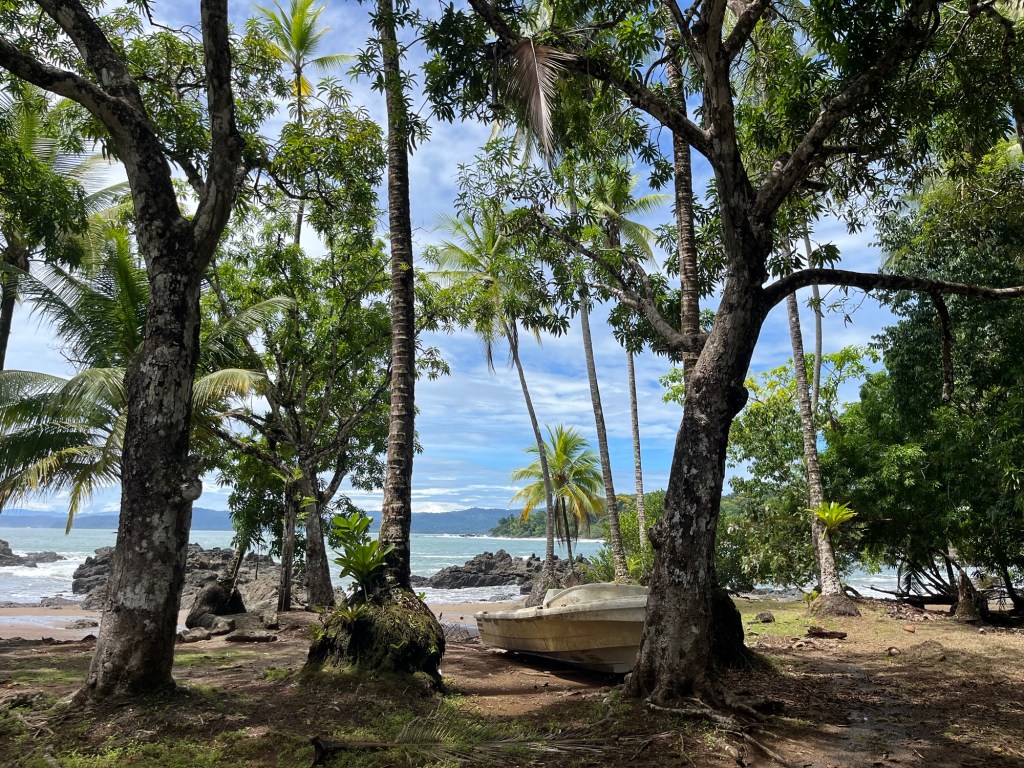
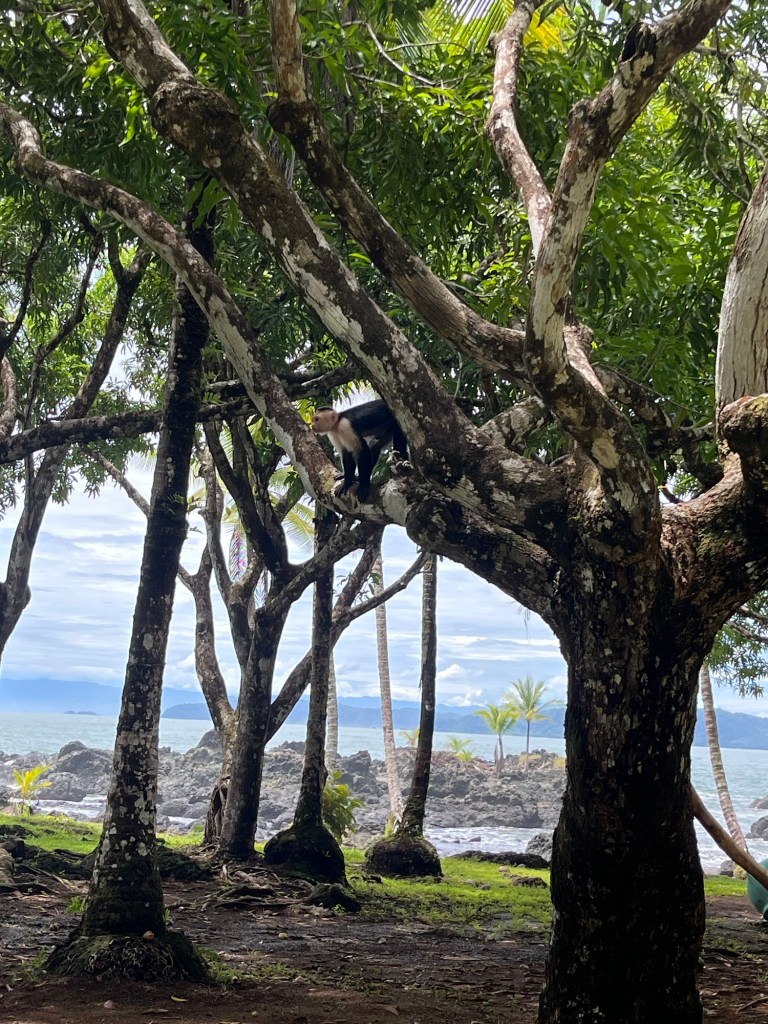
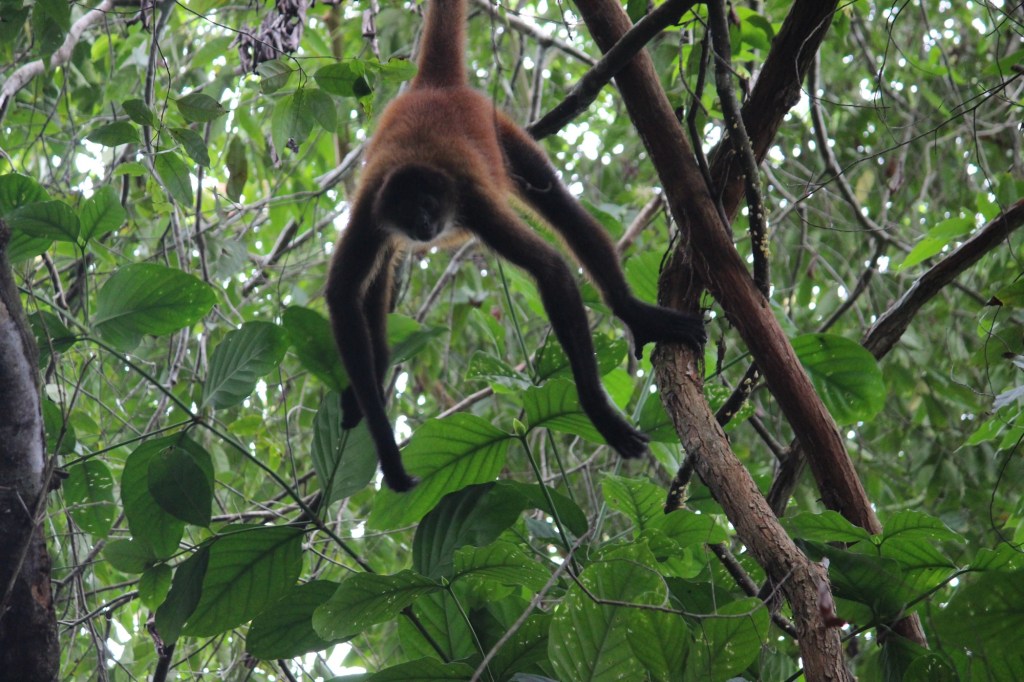
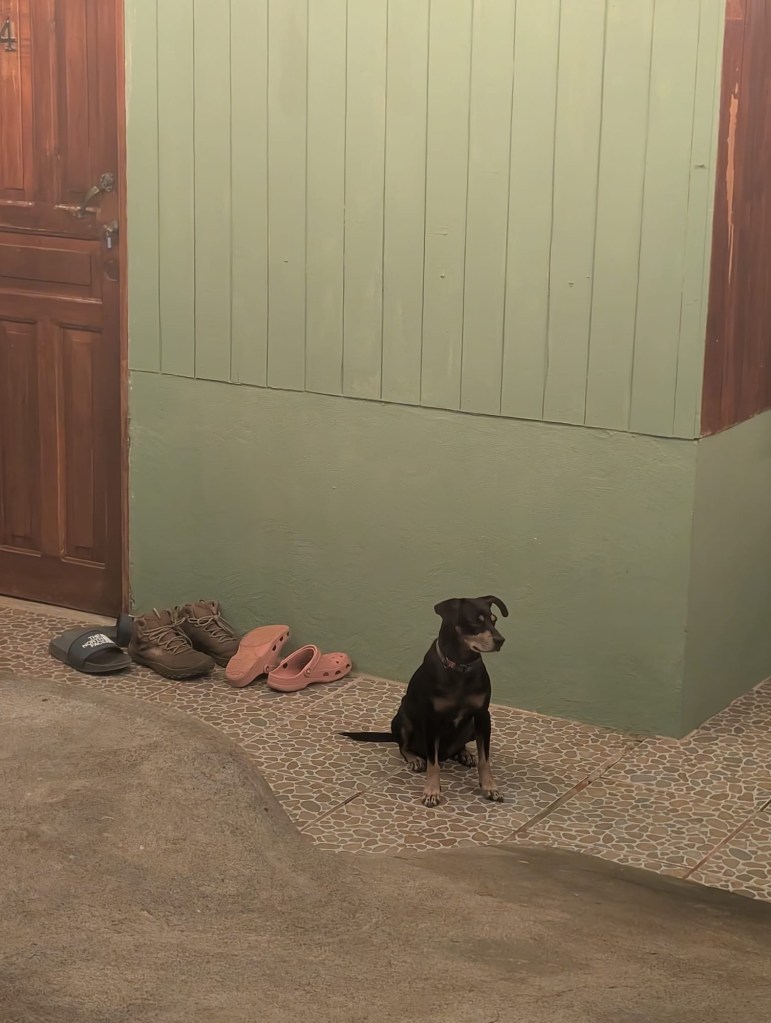
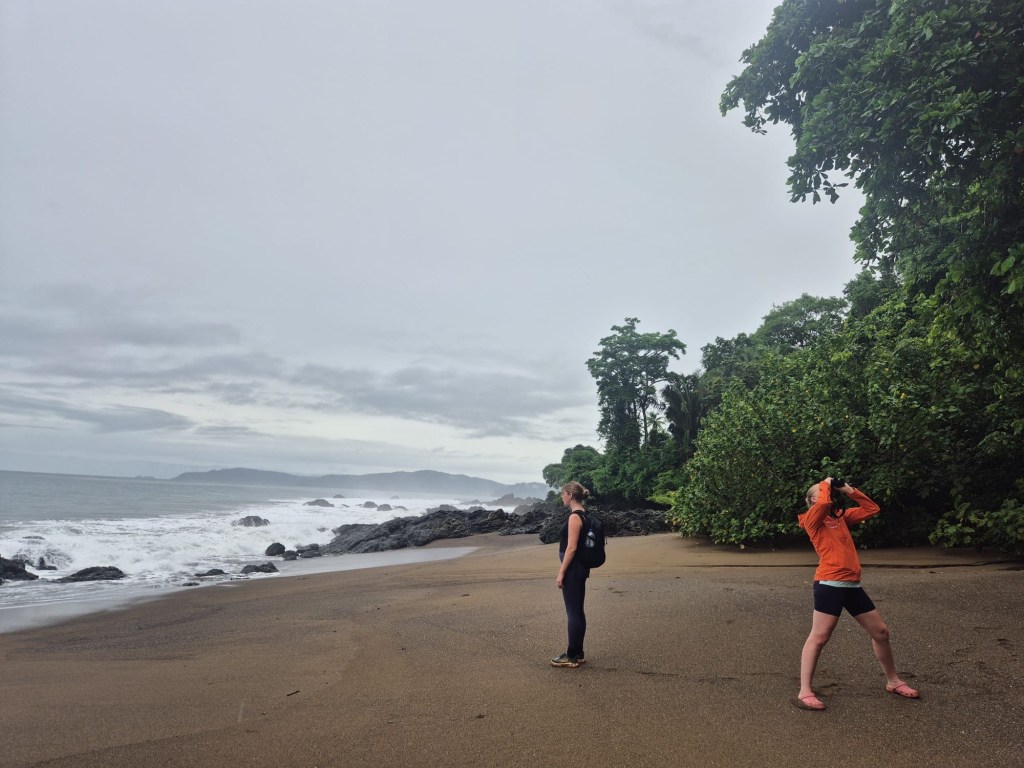
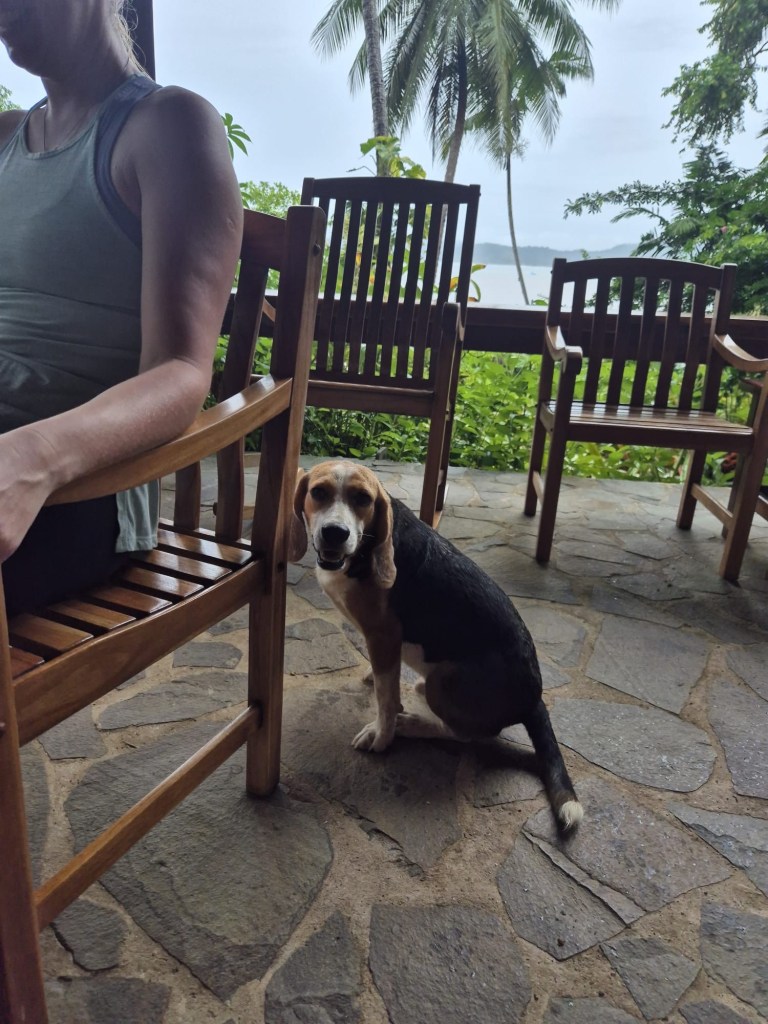
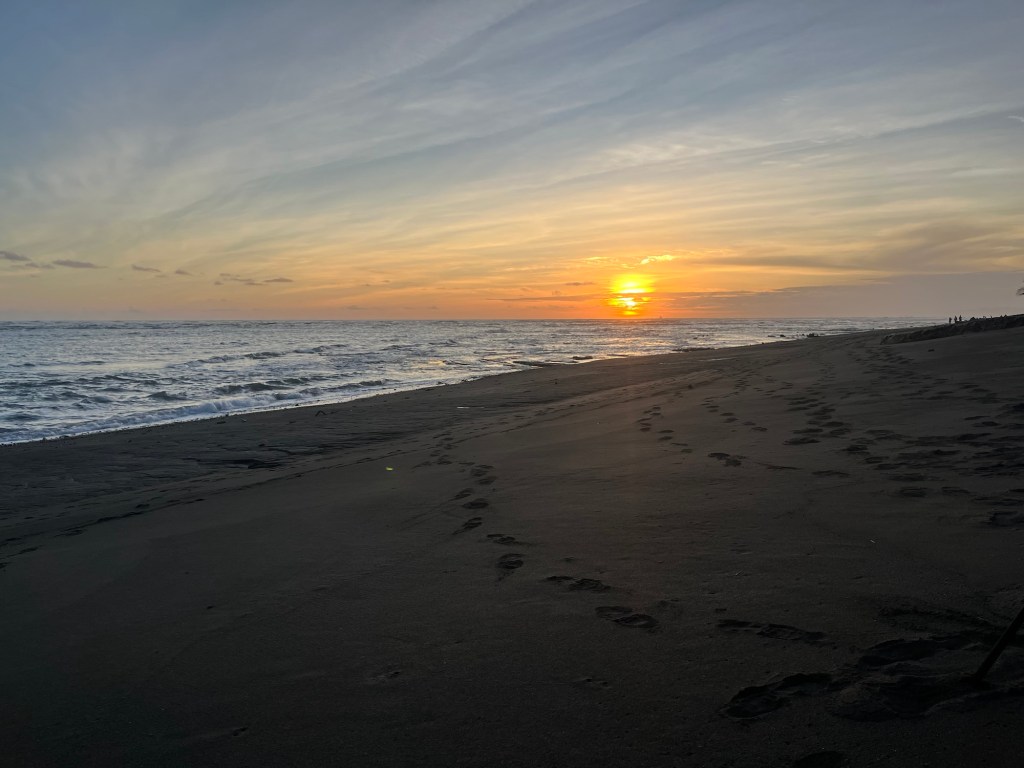
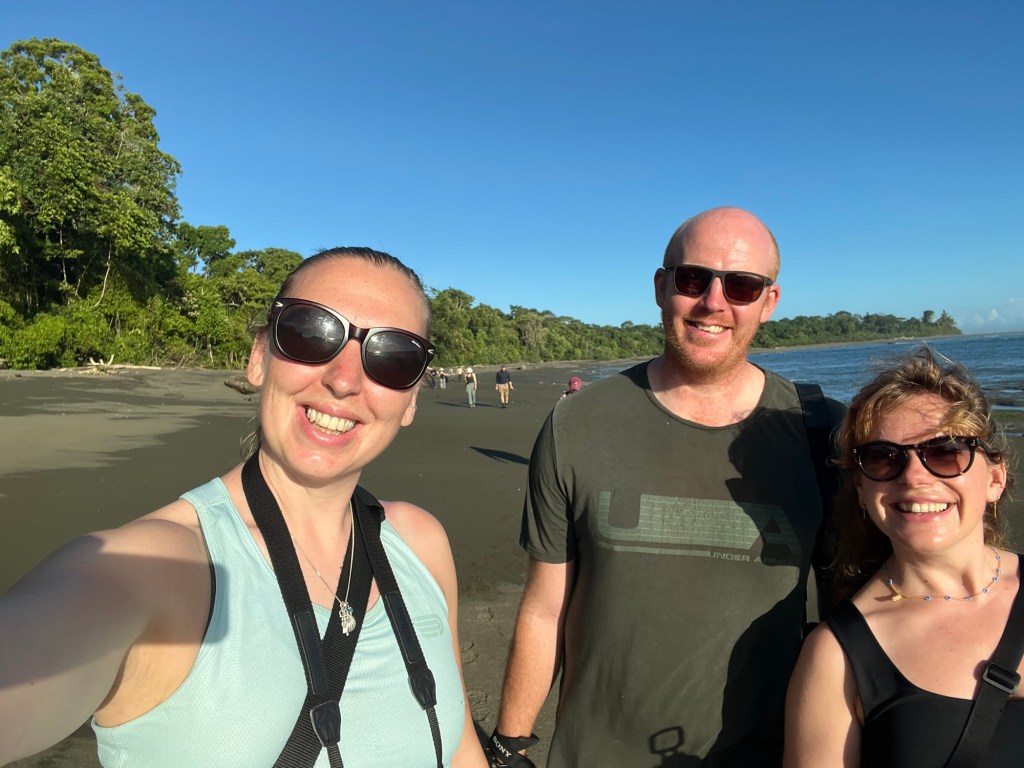
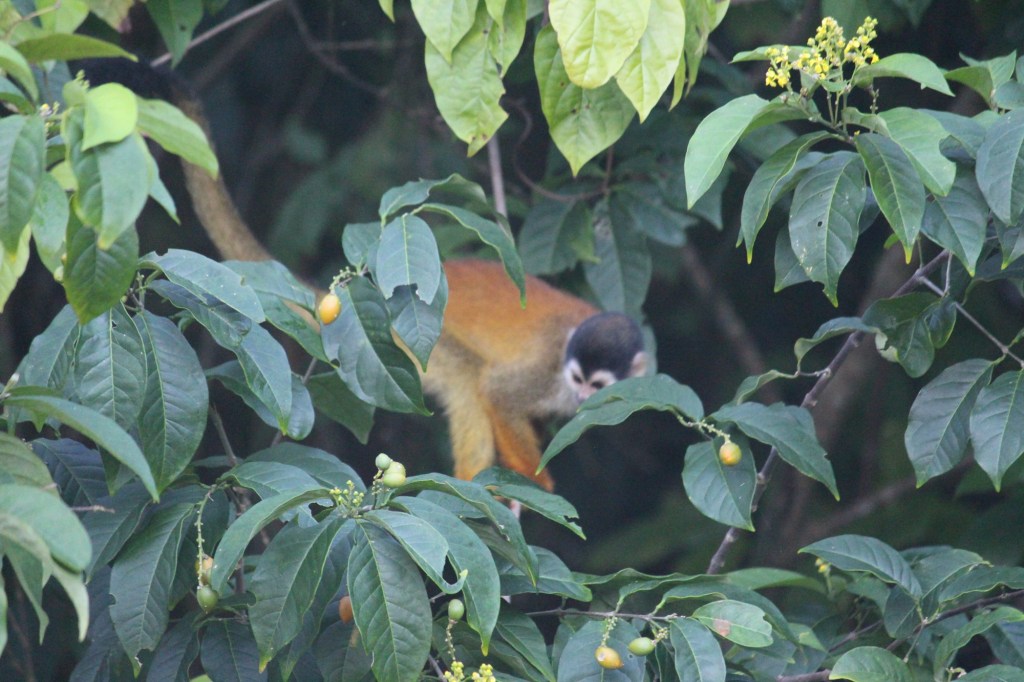
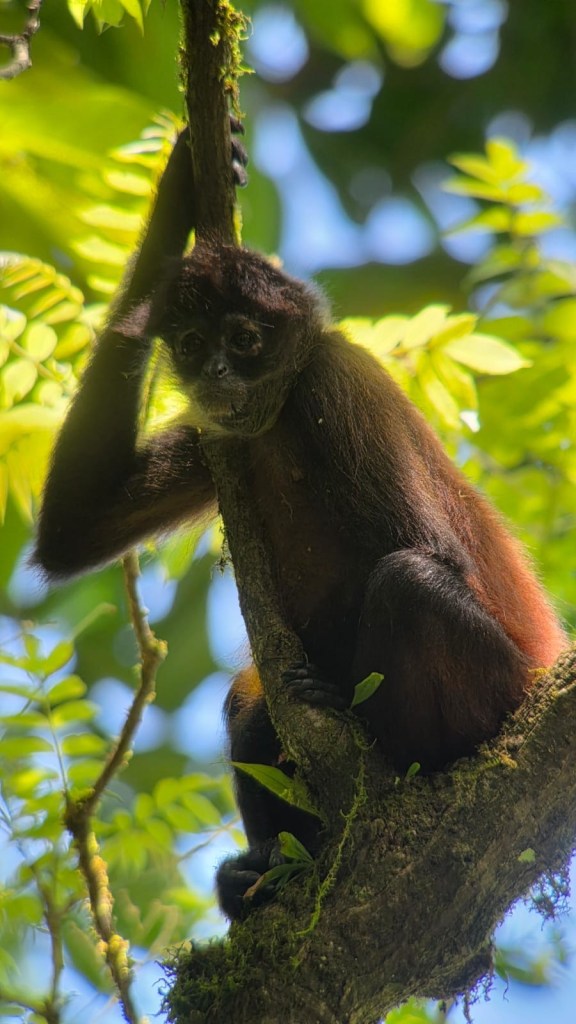
In the late afternoon, we walked the coastal path round to Cocalito beach. The path wound between jungle and sea, passing through dense vegetation where colourful birds sung. We ended up on this coastal path each day for the next 3 days. Each small beach was empty, and the epitome of paradise. Sand meeting ocean, palm trees overhanging the sand. Scarlett Macaws squalking overhead, their loyal courtship apparent as they were always in pairs. The difference each day was in who accompanied us. Dogs, each with a collar denoting they were well looked after, seemed to adopt a new owner each day. On the first day we named our companion beagle Bernie. He was loyal, but noisy whenever monkeys were in the trees. He found us again on the second day. By the first day we adopted Andrew, a small angsty dog who remained loyal for the entirety of the coastline to San Josecito. Just to explain what that entailed, we set off around 9am at a birdwatchers dawdle. We encountered crocodiles, vultures, gawped at motmots and riverside wrens, got up close to Coatis, spider monkeys, crossed the mouth of a river and swam in the warm sea, before arriving to San Josecito around 3.30pm. With sundown due at 6pm, we explored the return options by taxi, however due to the heavy overnight rains that the start of wet season had delivered, taxis were unwilling to cross the river to get us. We negotiated a 40 minute inland walk, with two river crossings to get to an agreed pick up point. Andrew the dog nearly got swept away in the flowing water, but then dutifully hopped in the back of our taxi for the return journey by road.

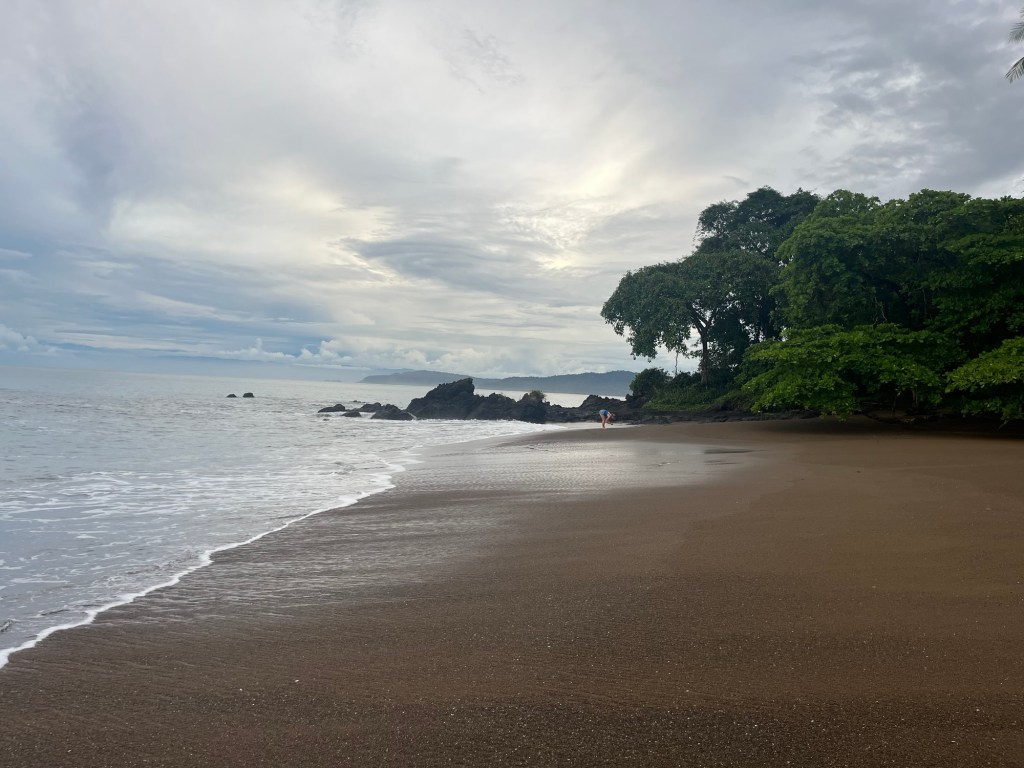
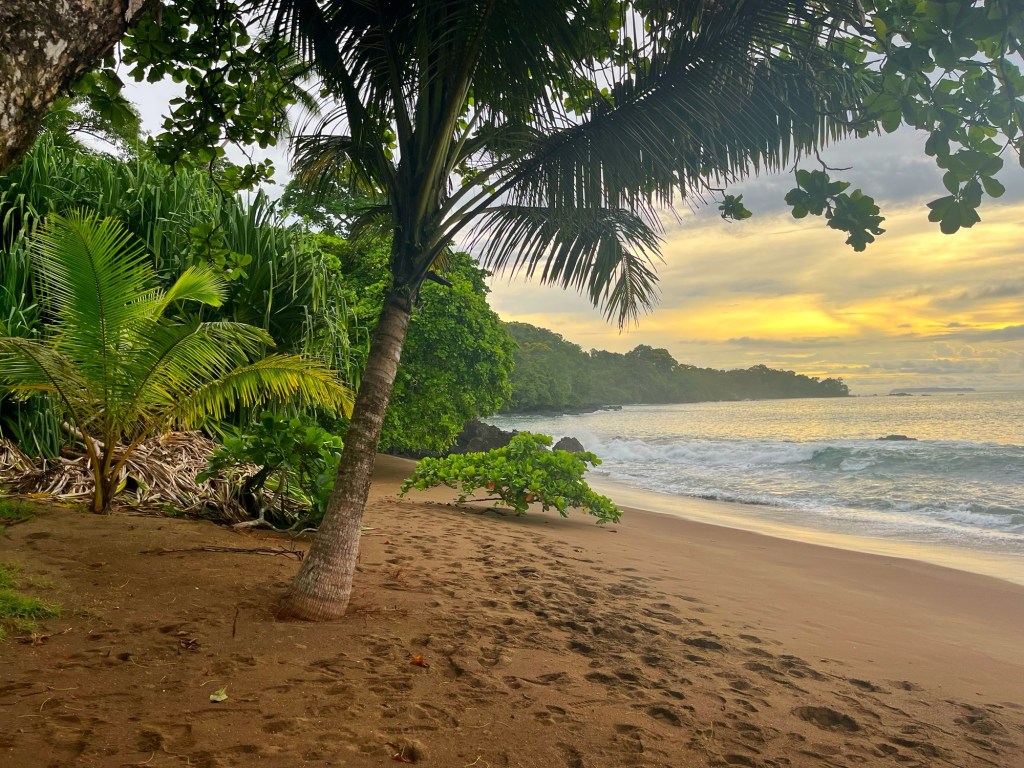

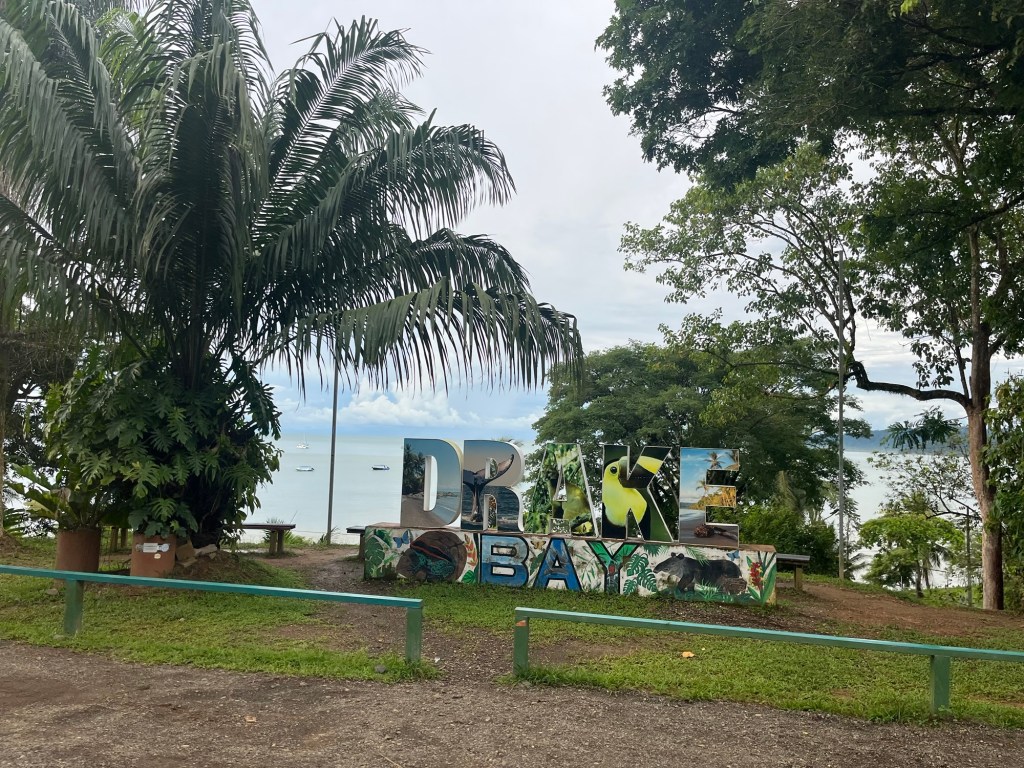
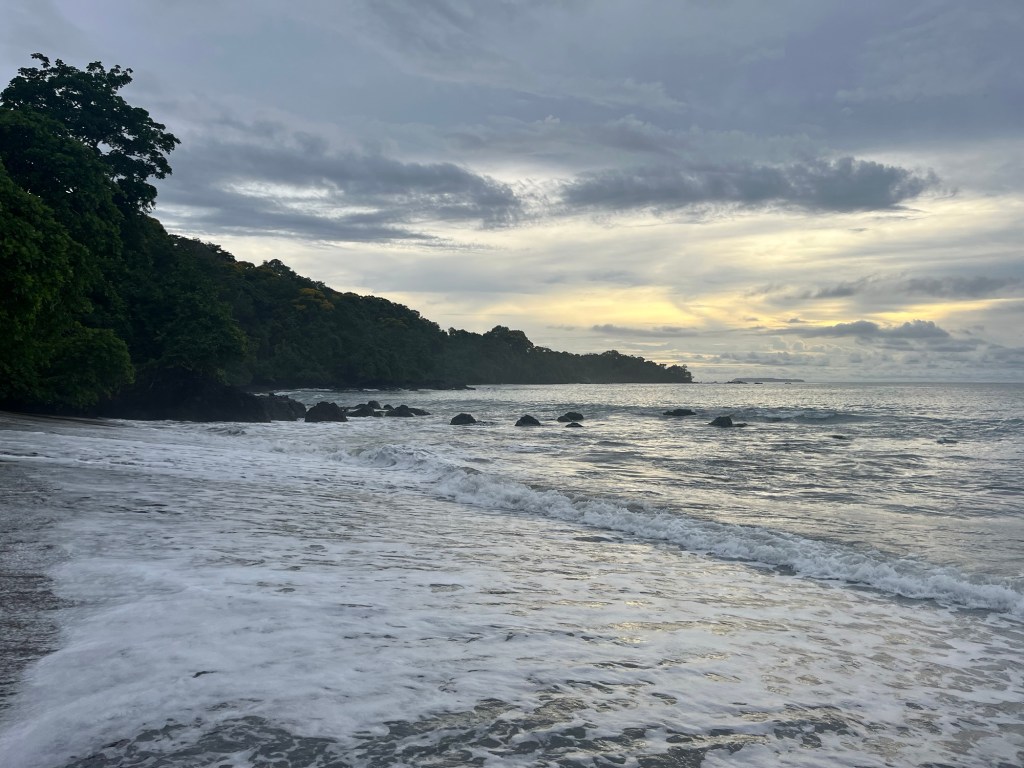

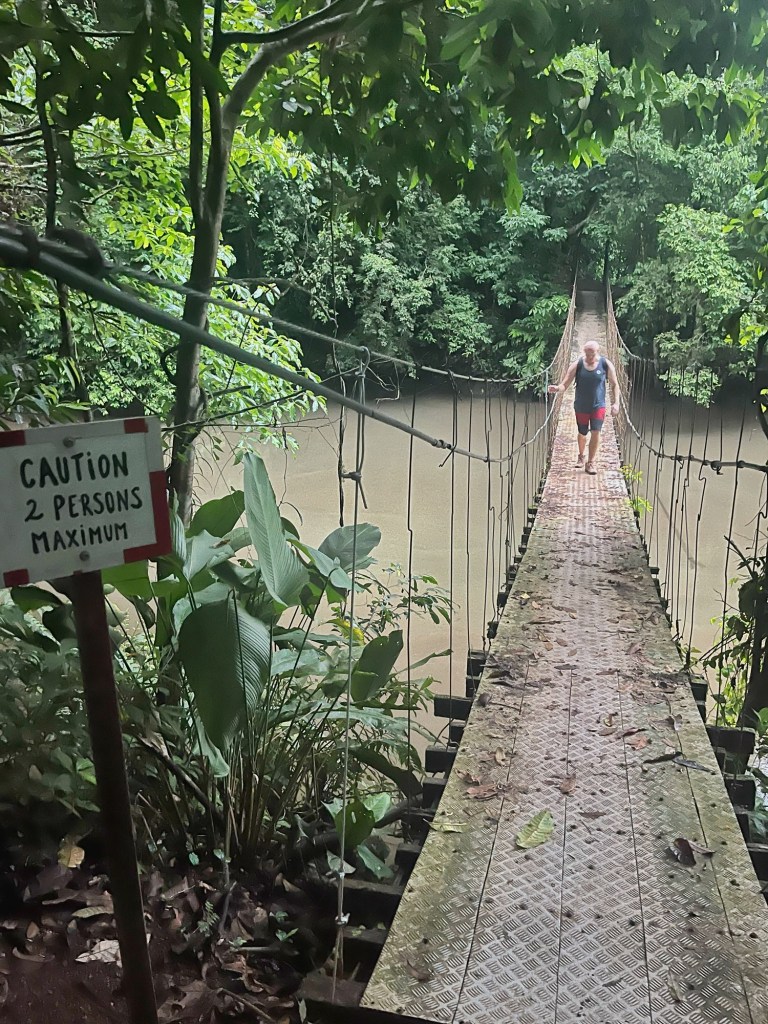
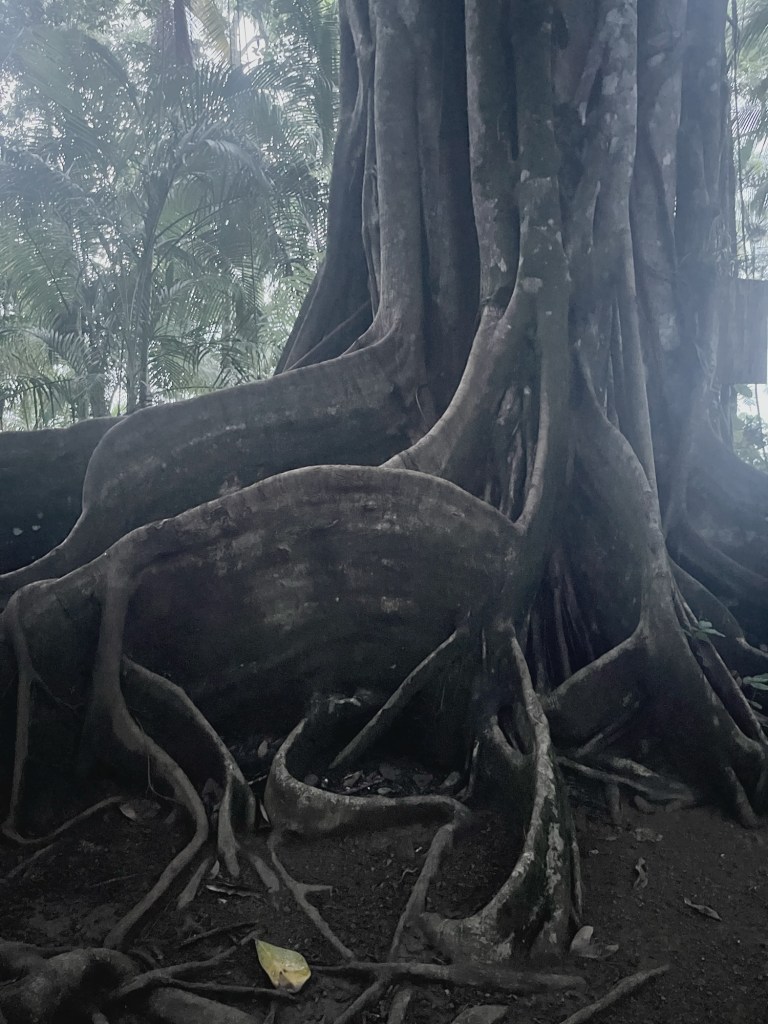

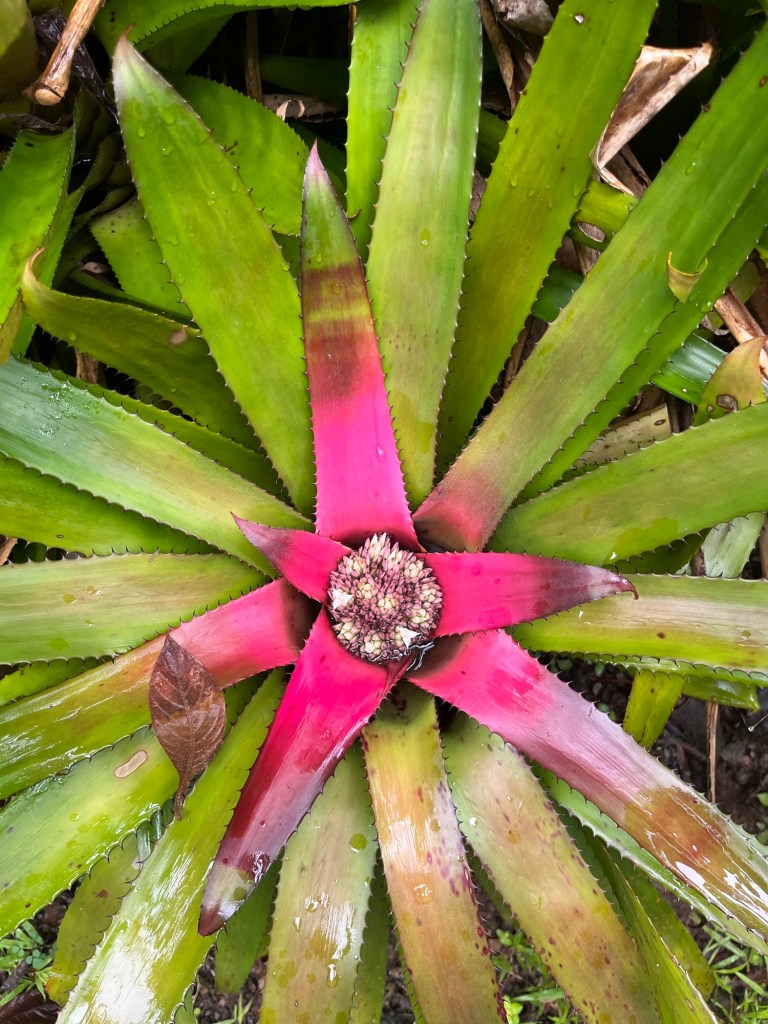

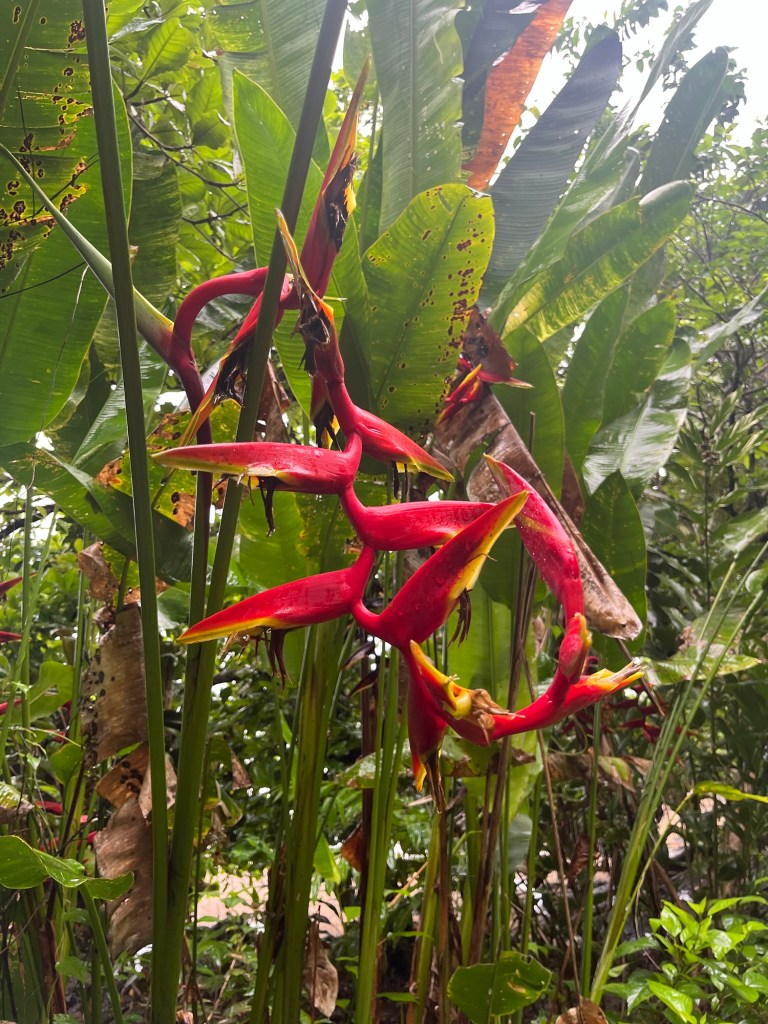
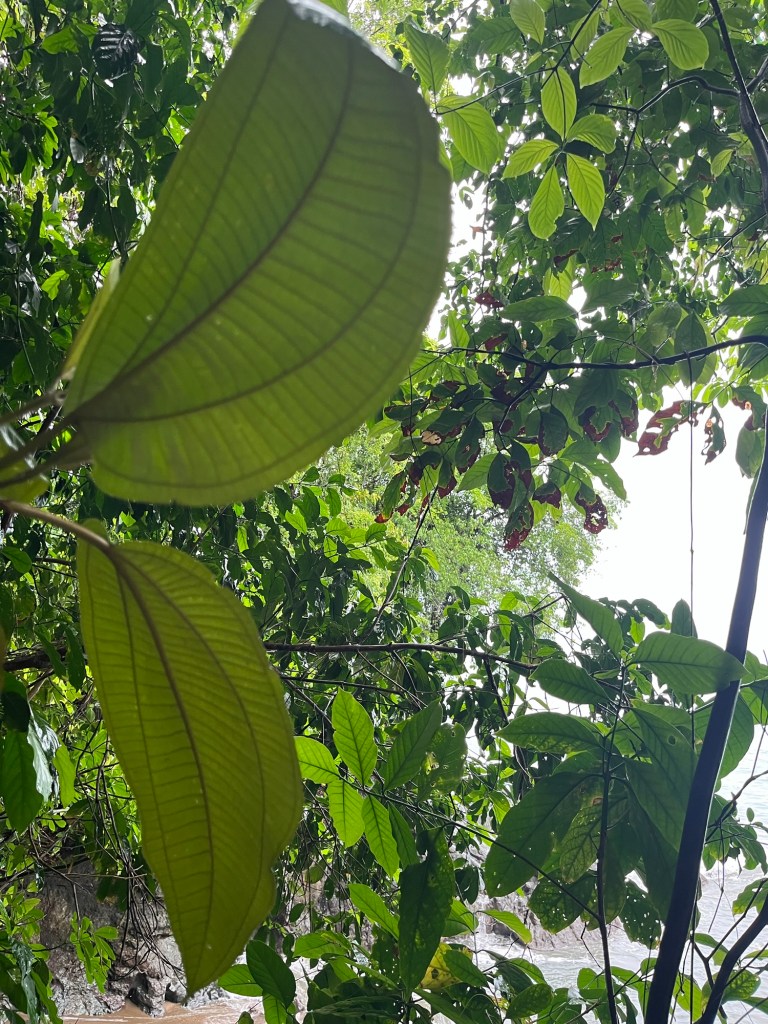
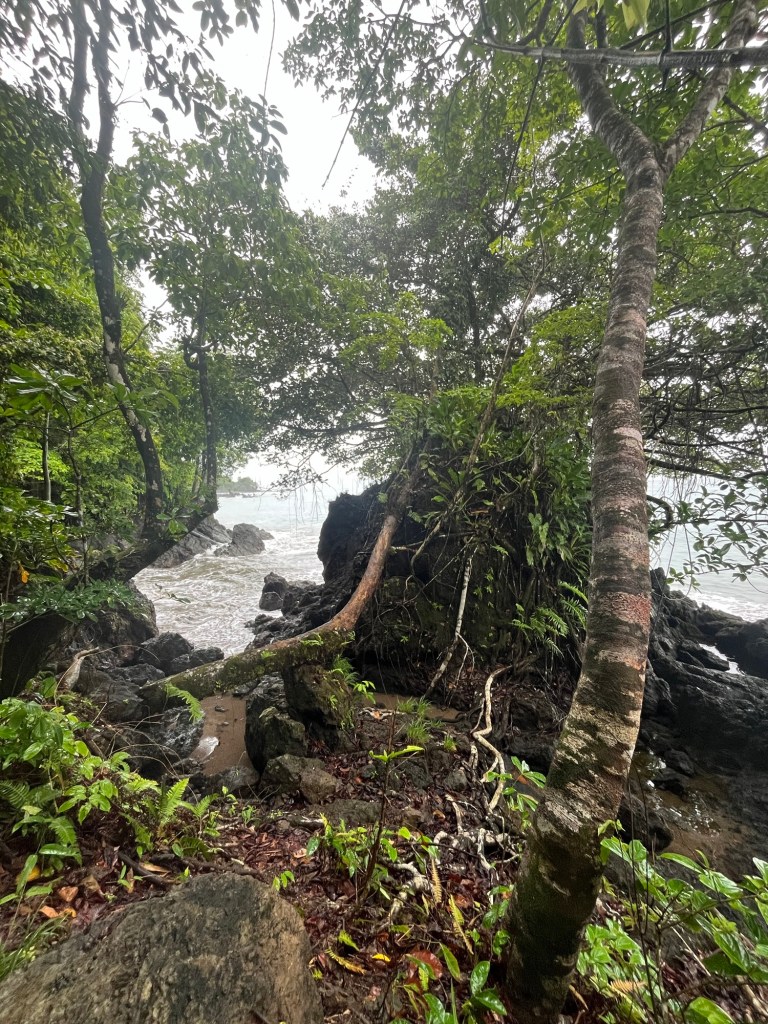
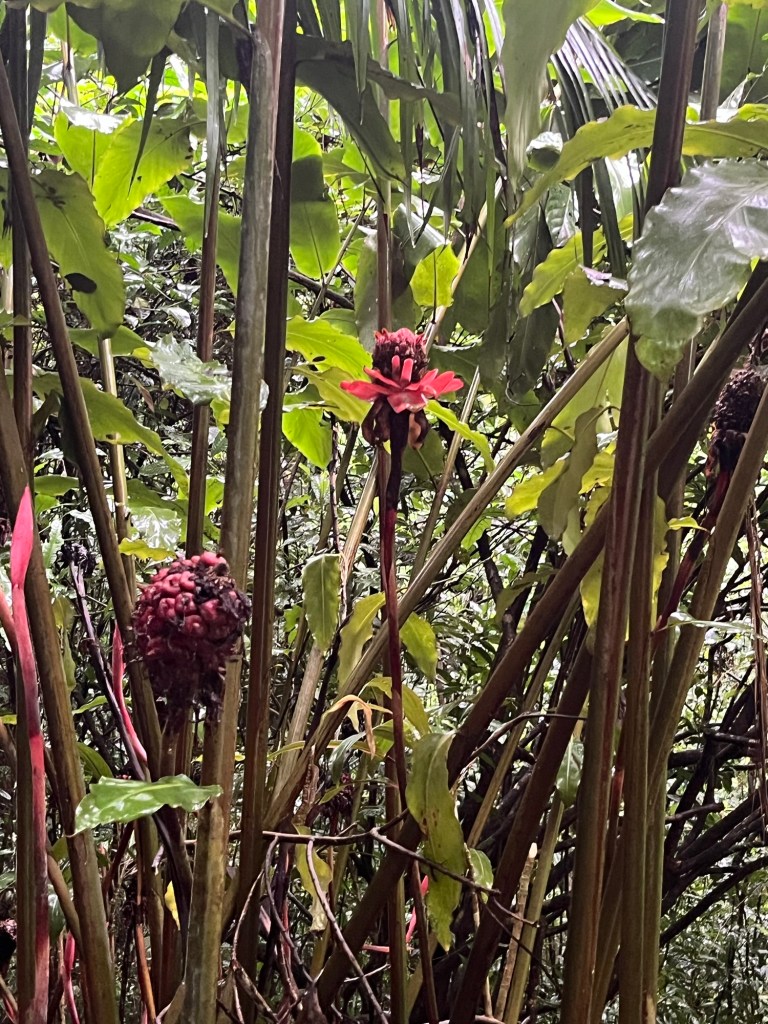
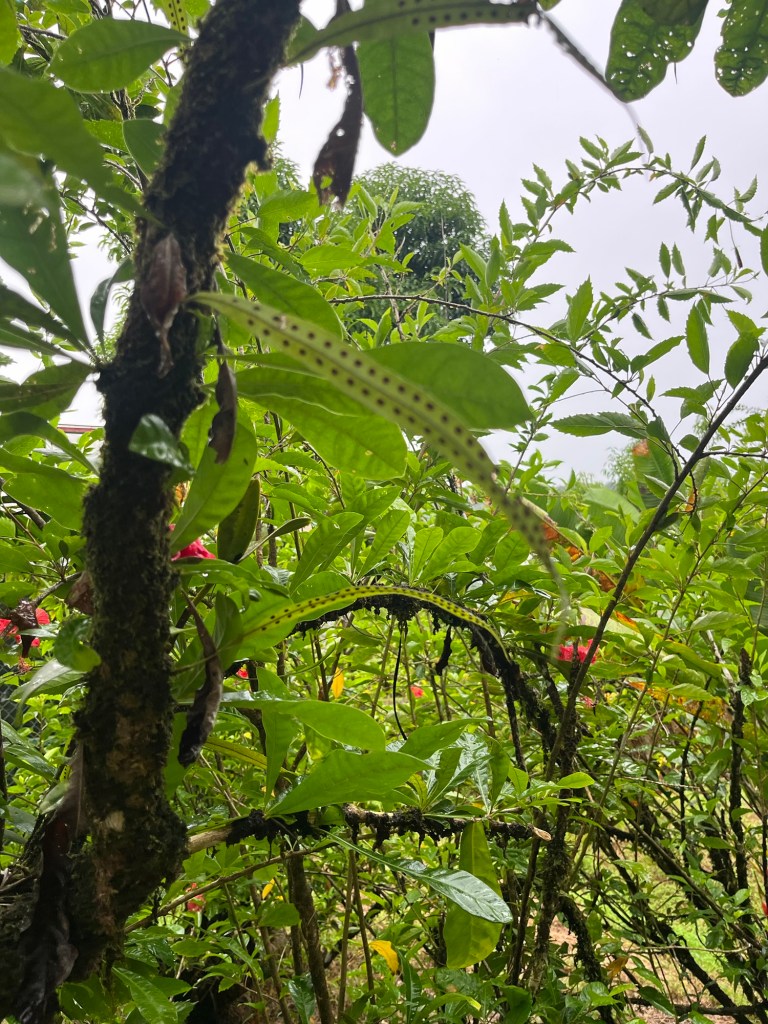

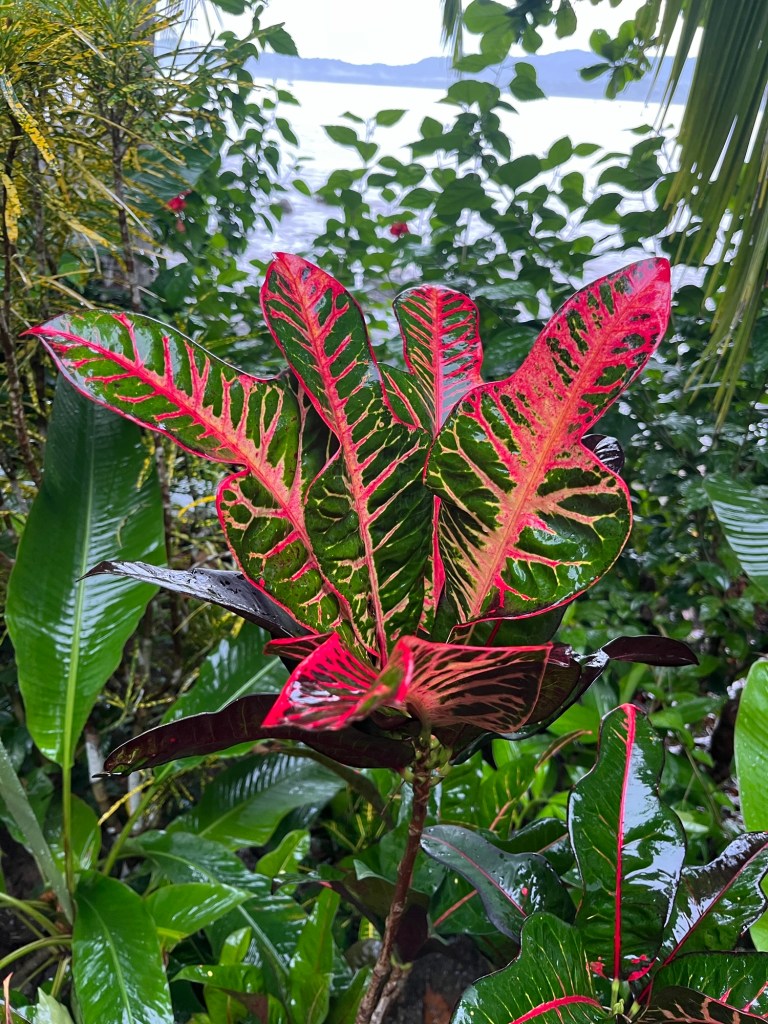
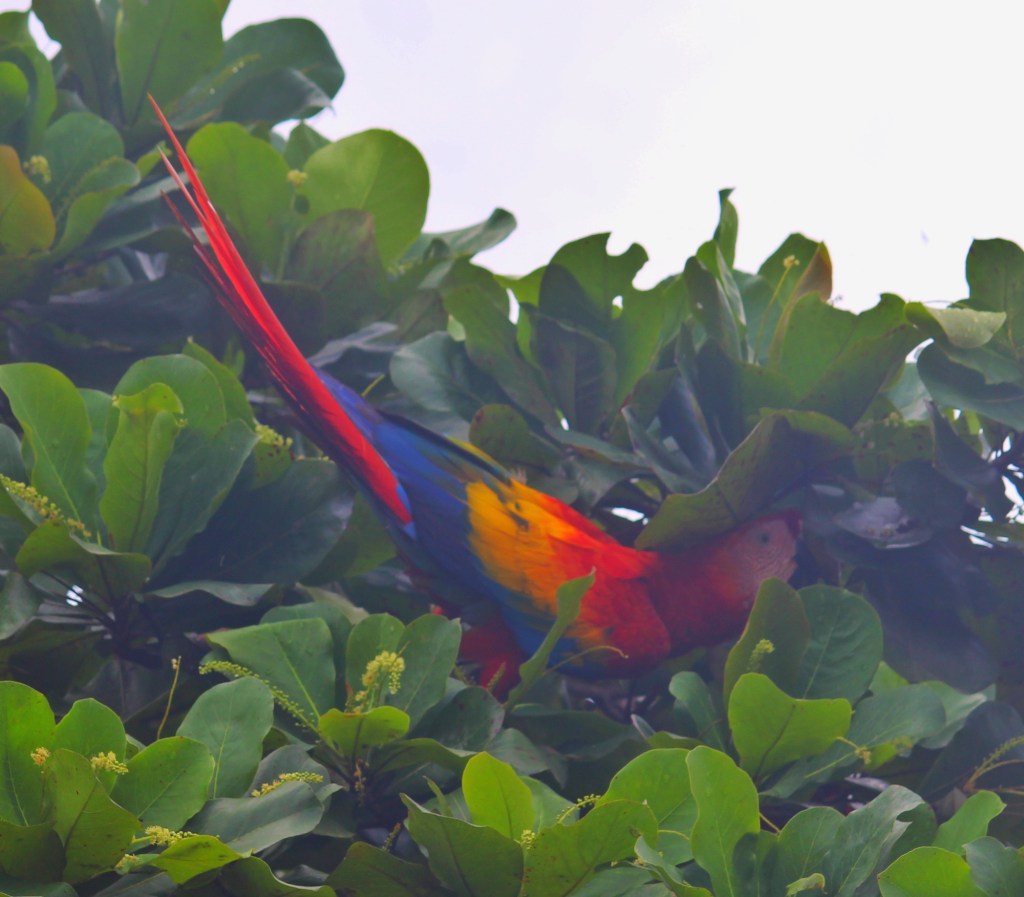
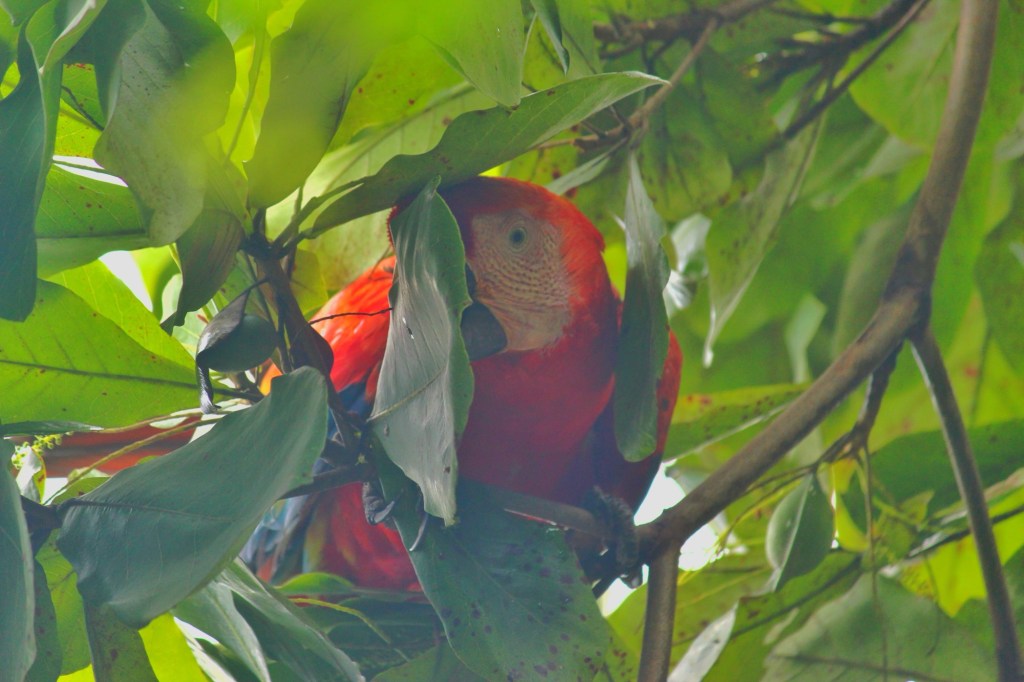
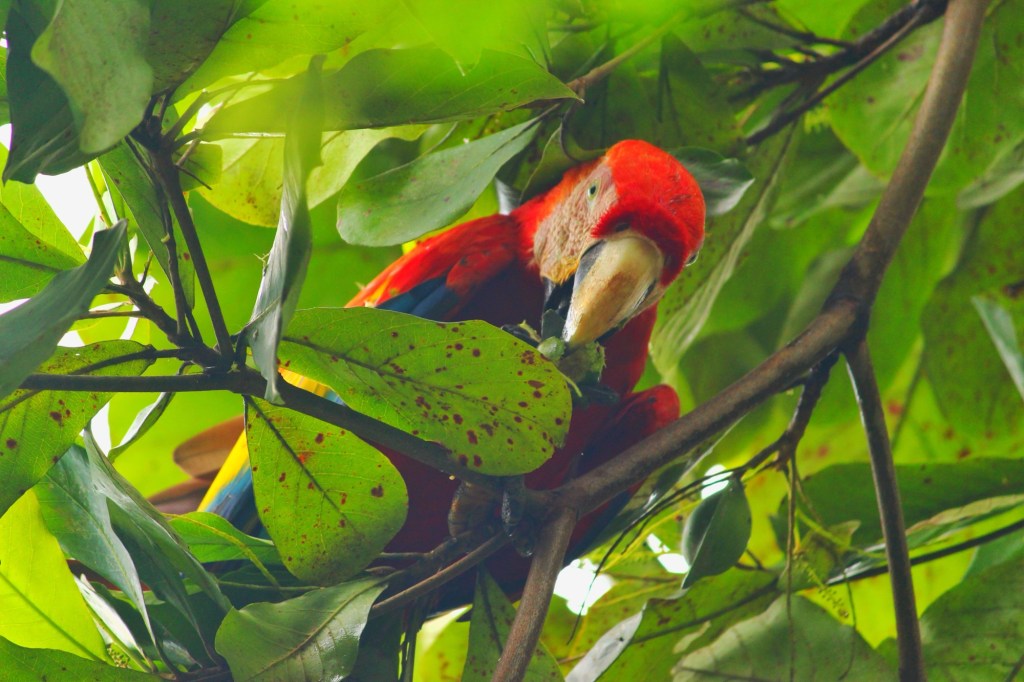
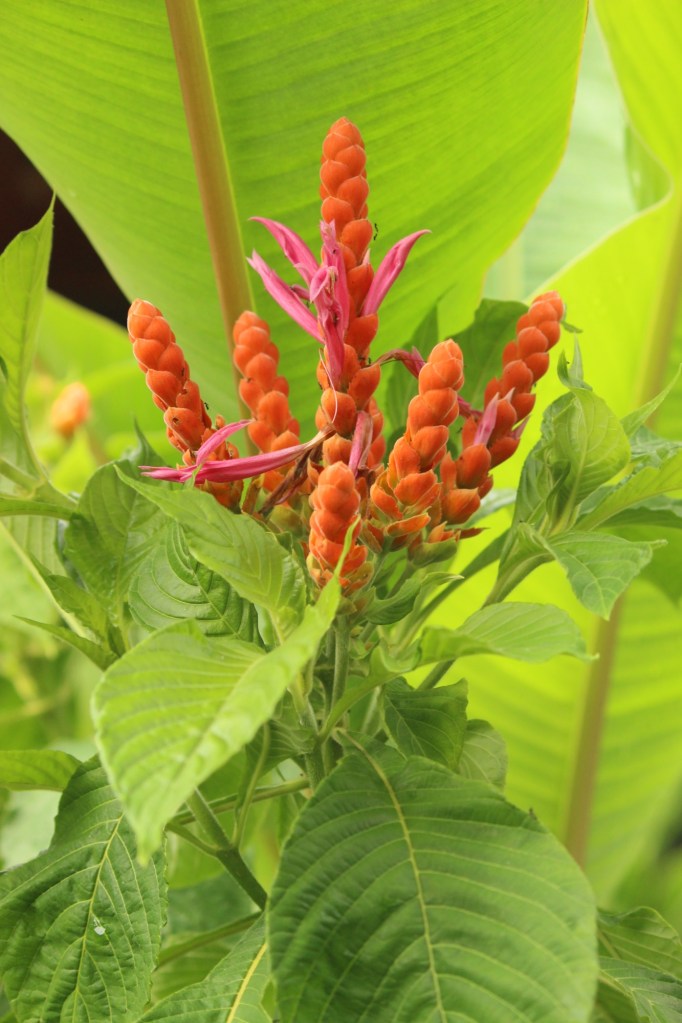
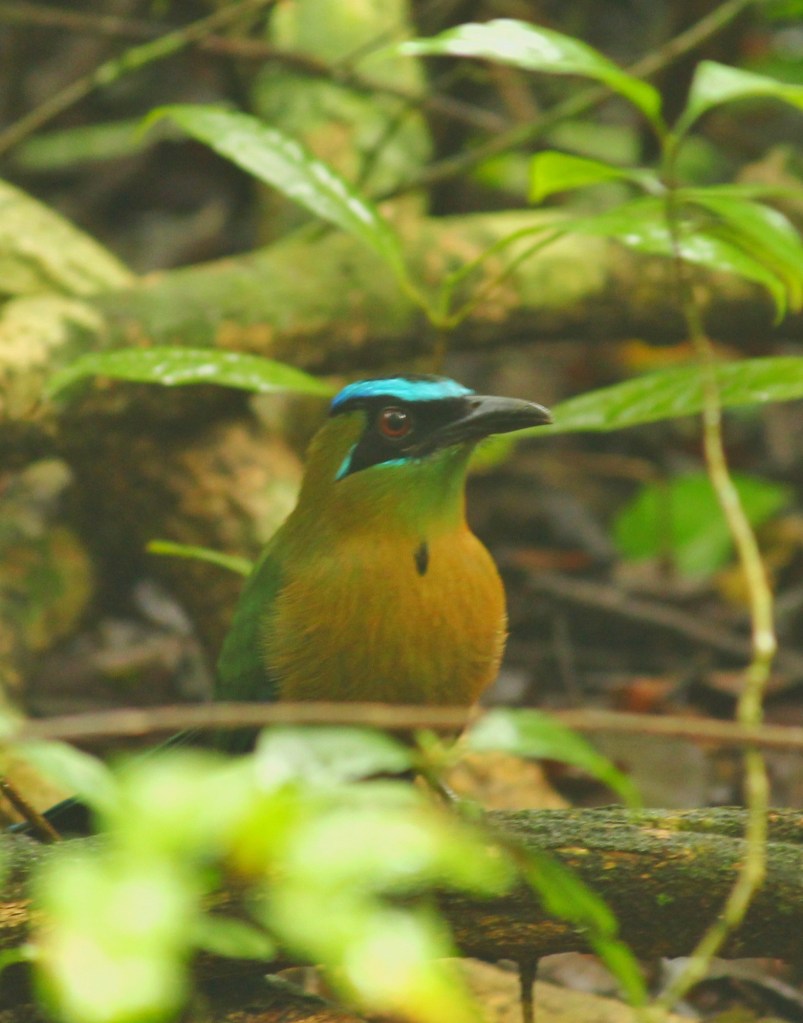
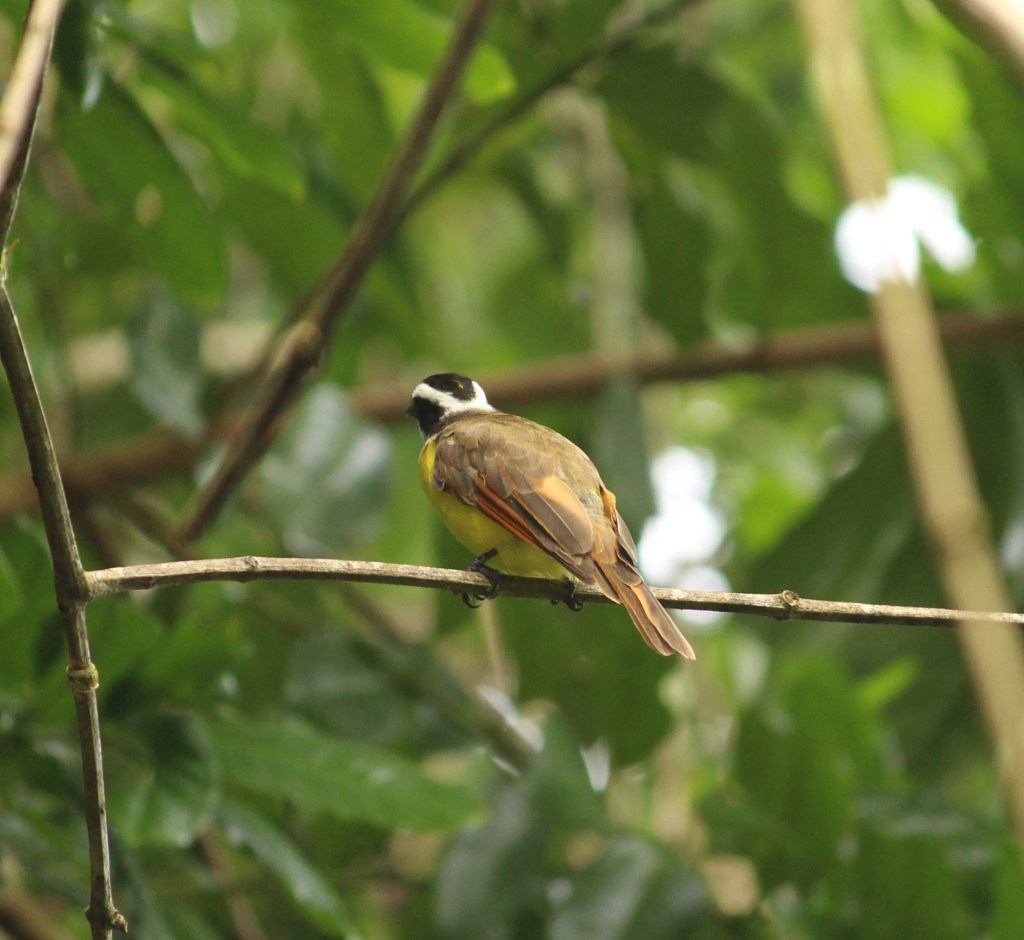
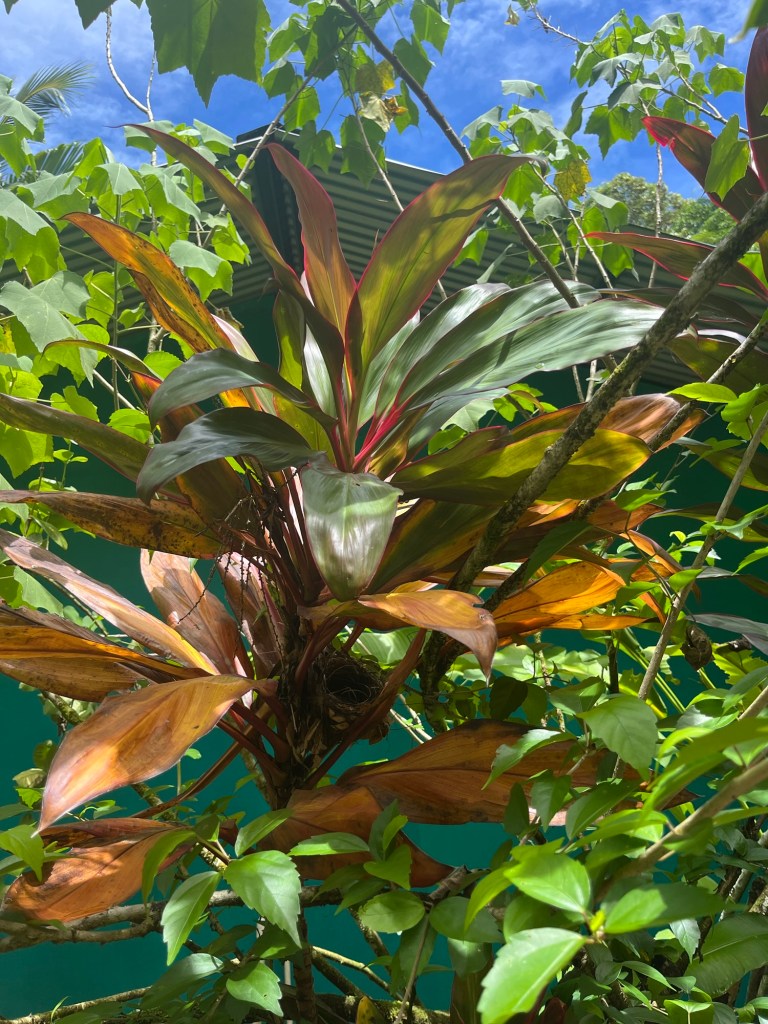
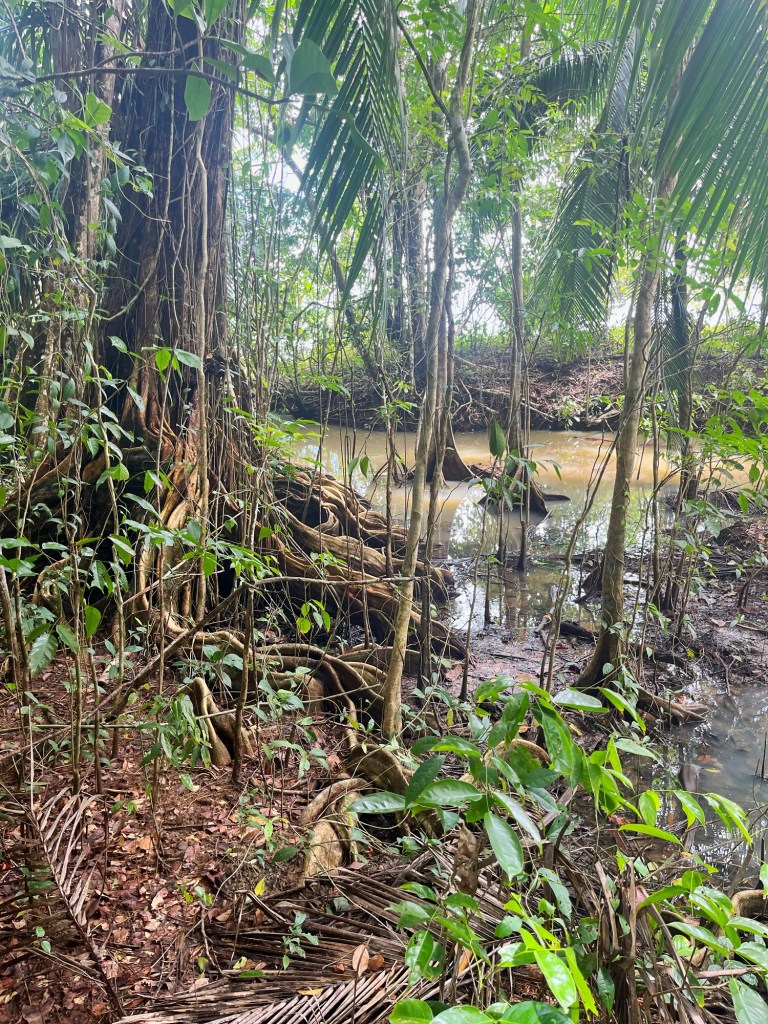
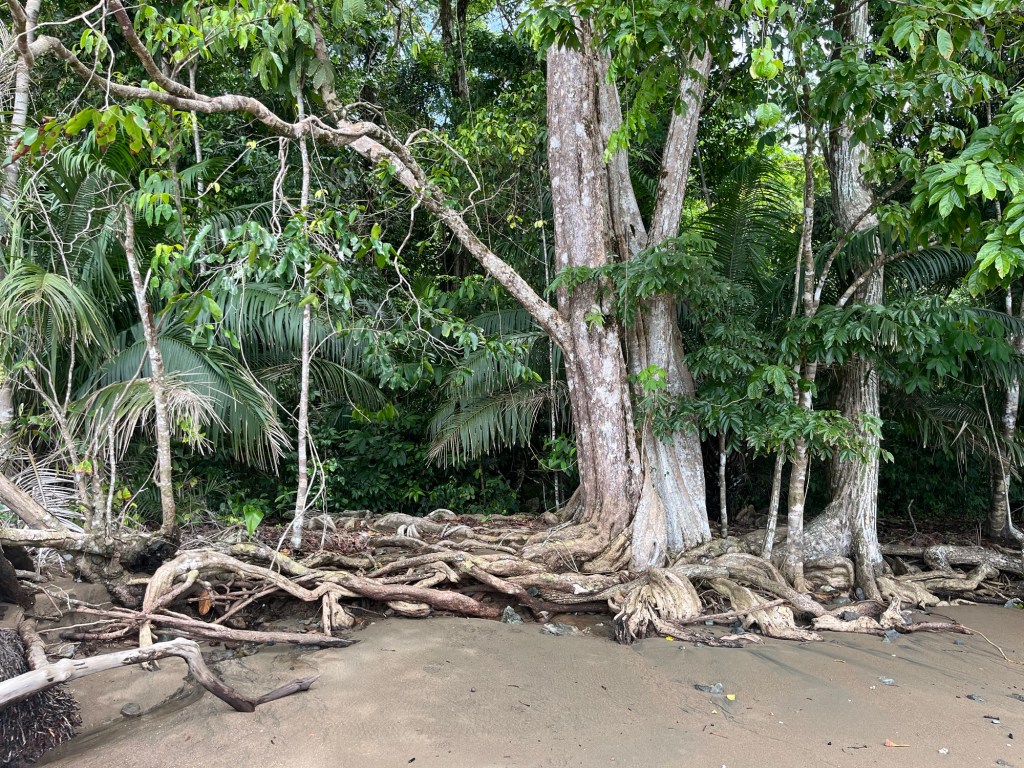


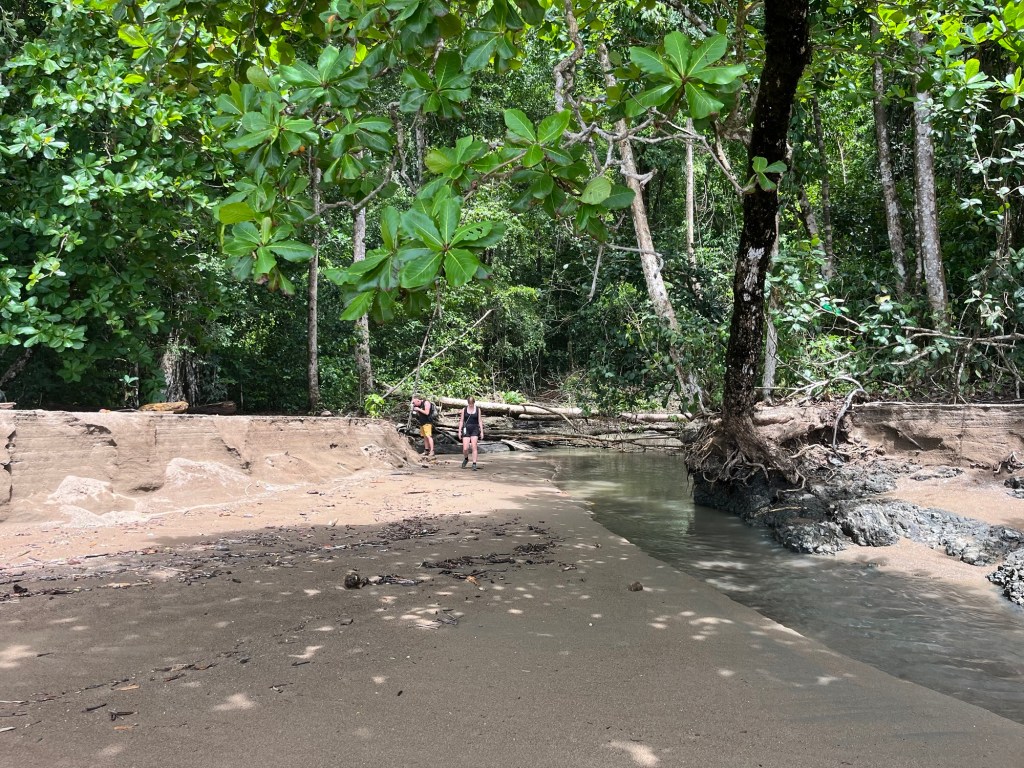

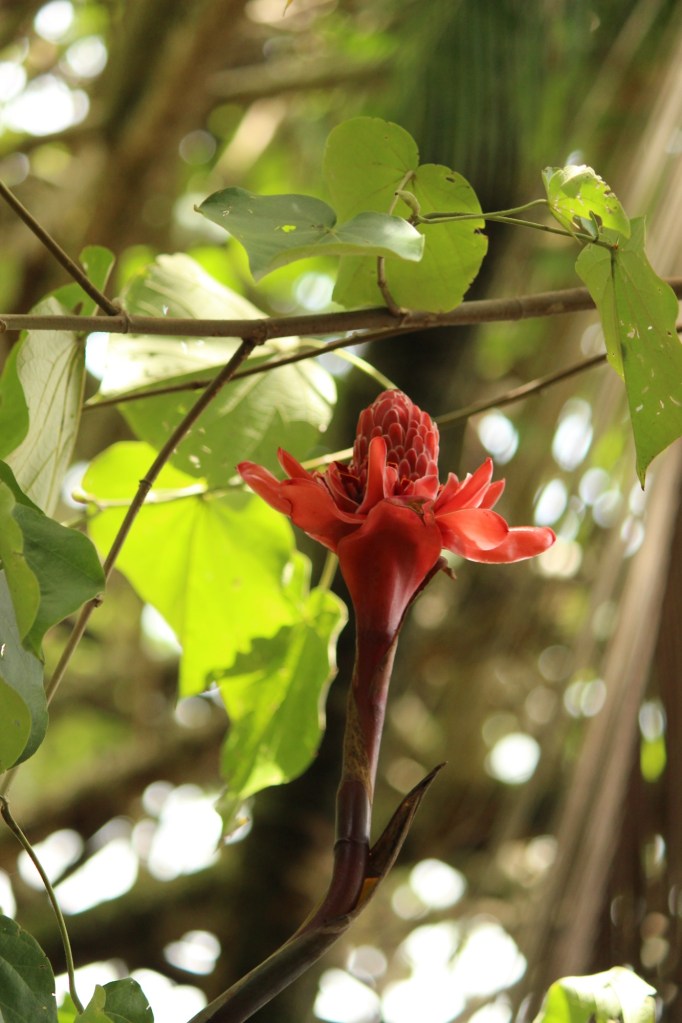


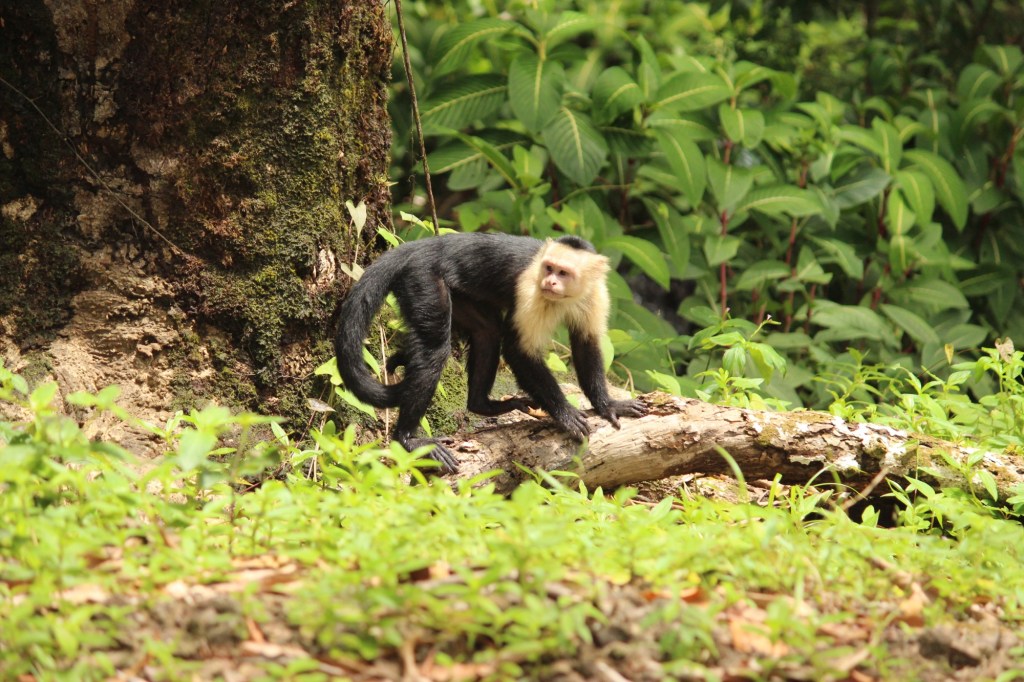
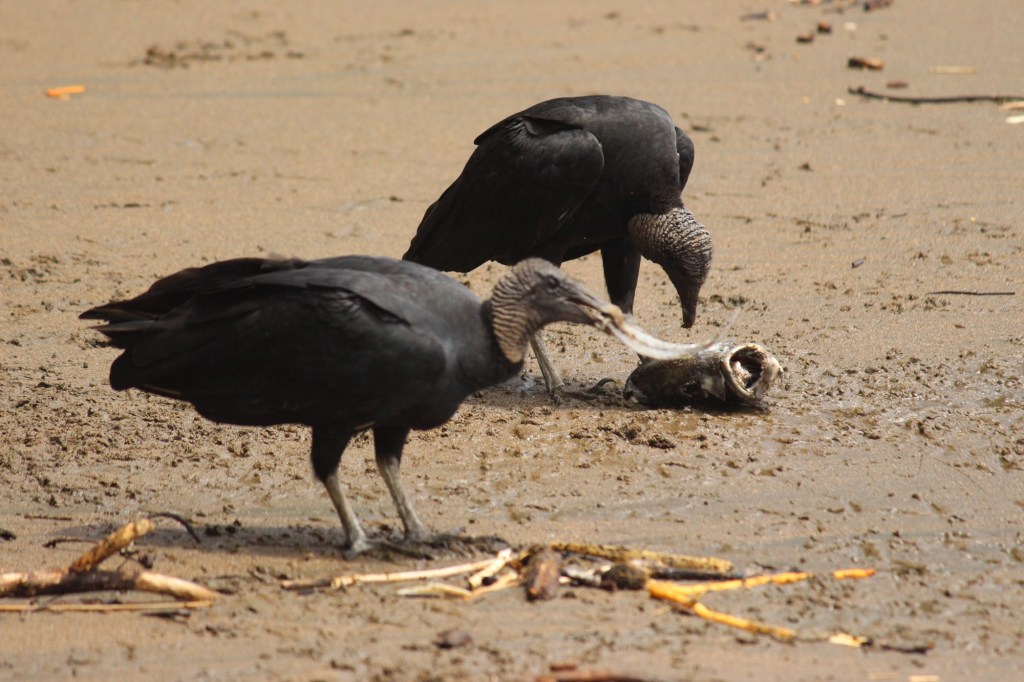


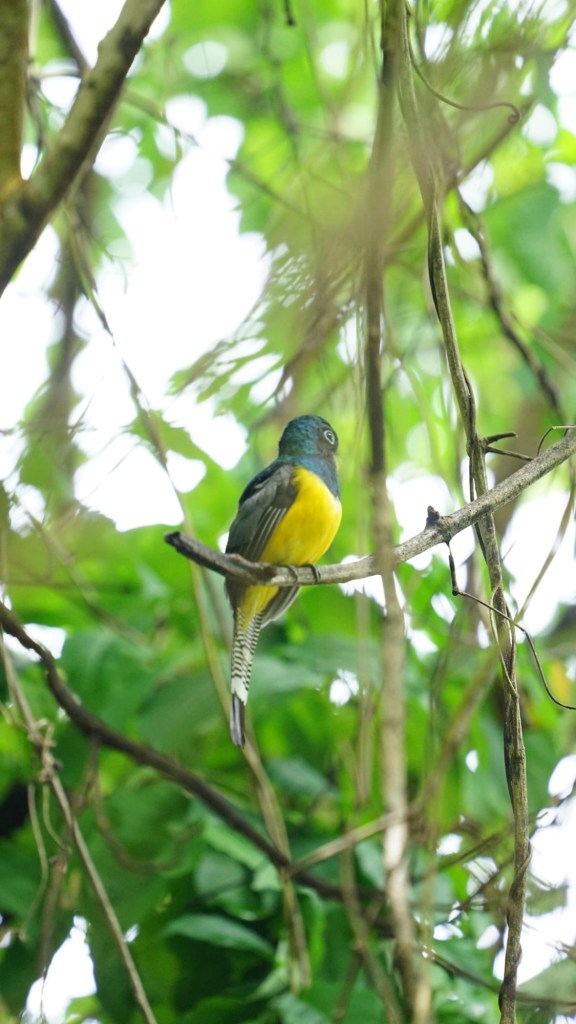
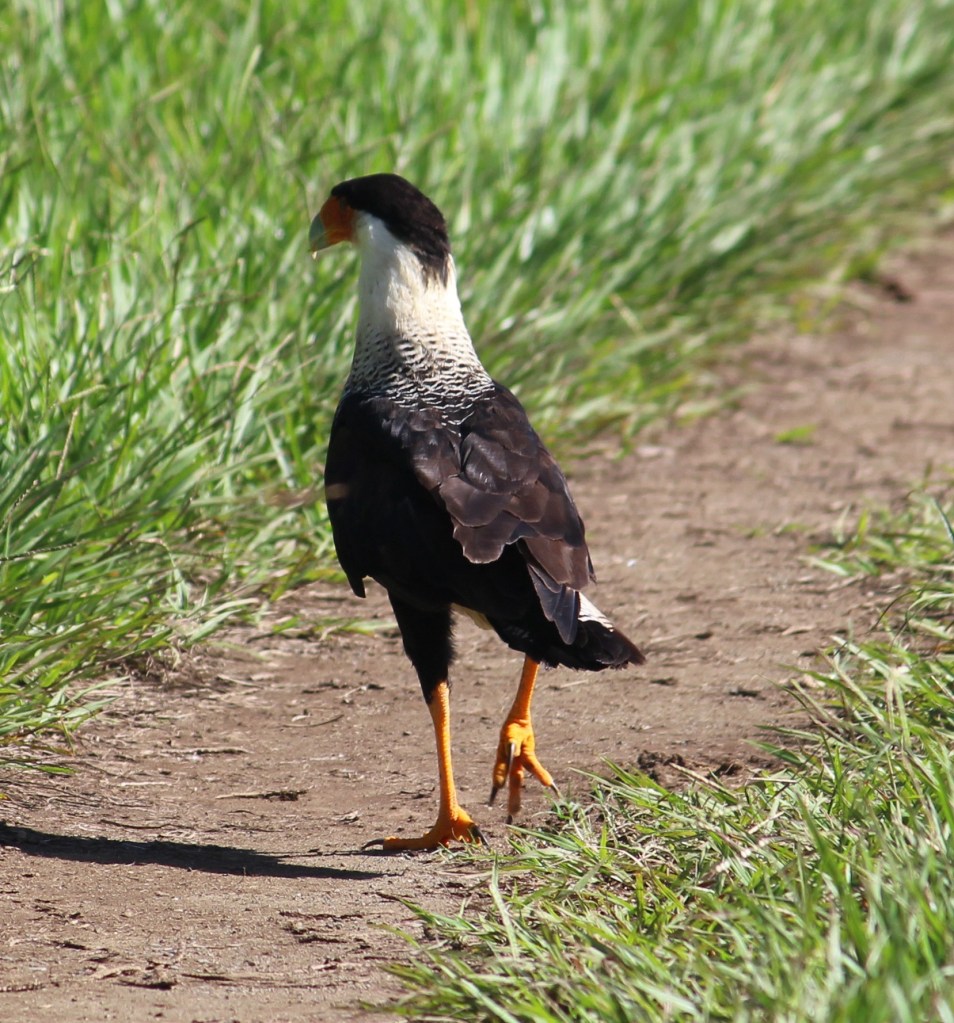
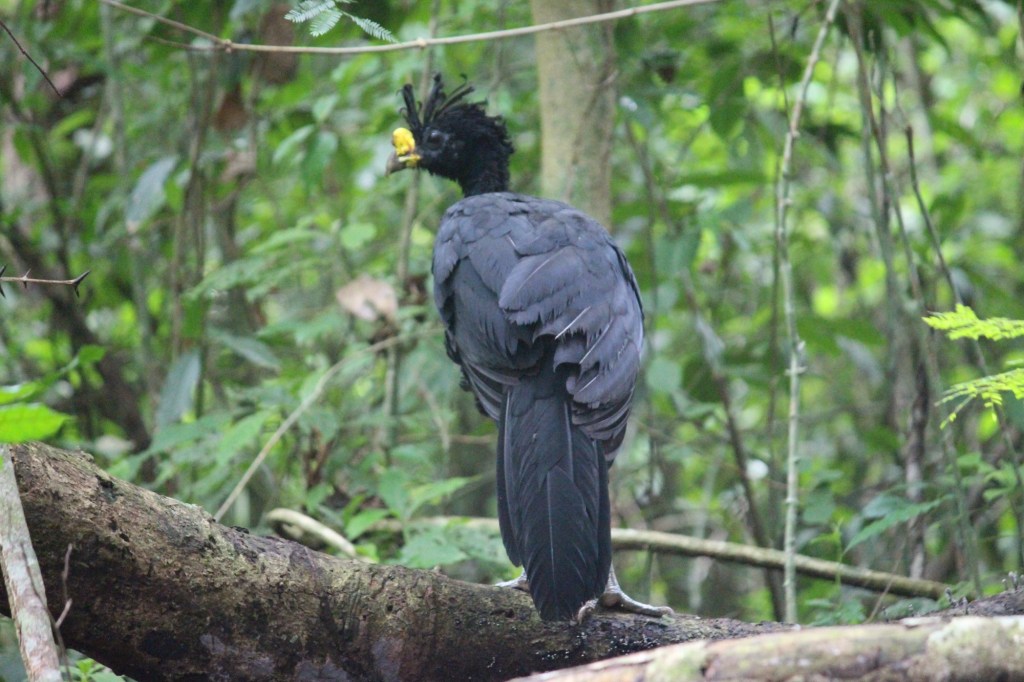
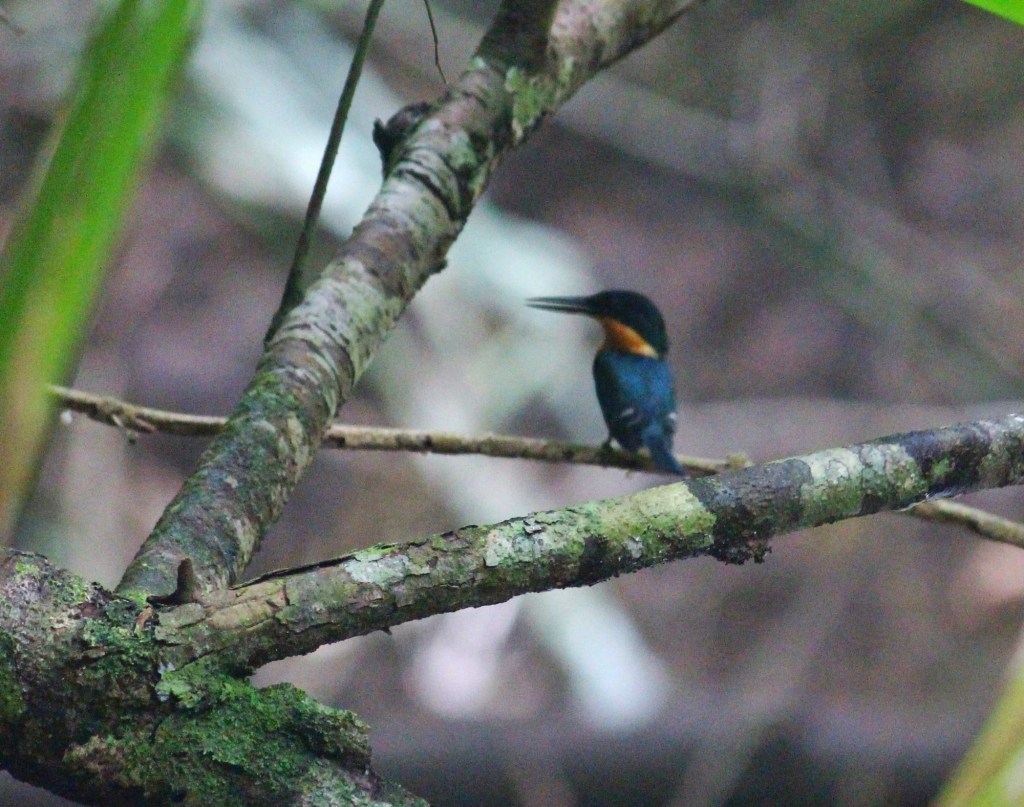
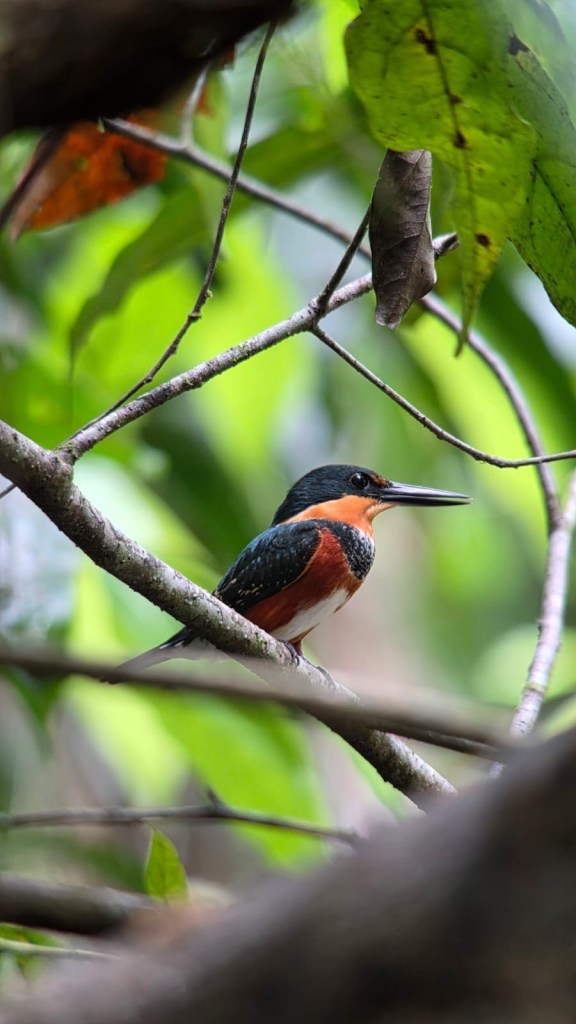
On the water, there was a big swell. Many activities were cancelled or delayed, including our entrance into Corcovado National Park. Our trip departed one day later than planned as we were collected by boat and taken an hour south to Corcovado. This time our beach landing threw us into jungle. We ended up with a private guide, Mikhael, who was pleased to see how enthused we were with birds, and proceeded to show off the many colourful, unbelievable species that Costa Rica boasts. The toucan is far from the most strange looking, although it was still a dream to see both the yellow throated bill shudder from the power of its own call, and the fiery billed aracari who looks like he has drawn teeth onto his bill with make up. The motmots have pendulous tail feathers like a cuckoo clock, the wild turkeys scarcely seem to make sense how they can get to the tree tops.
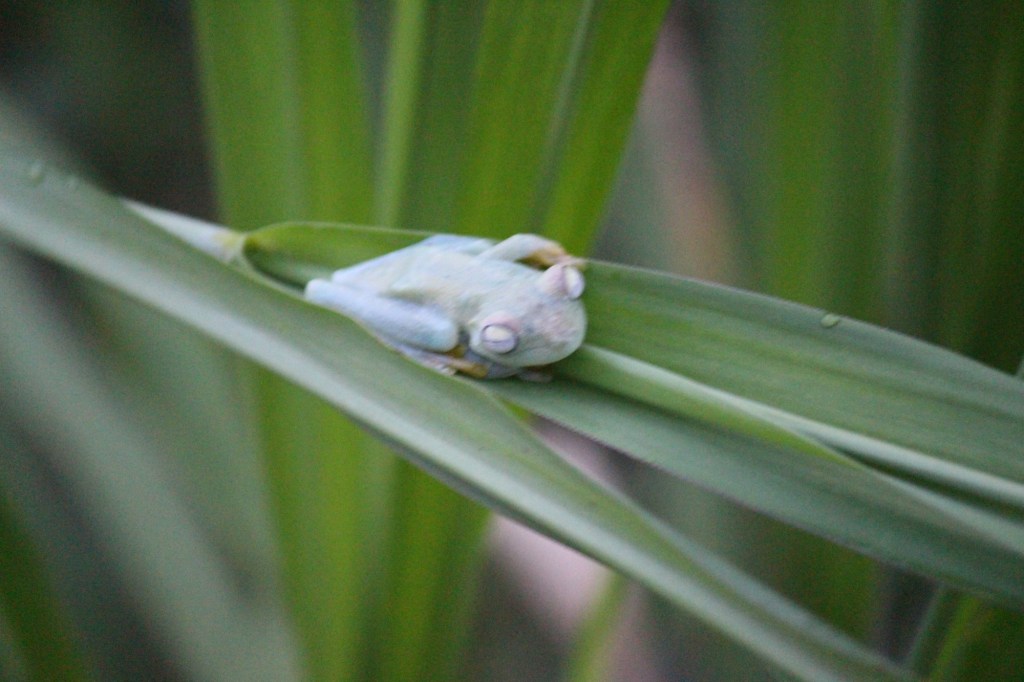
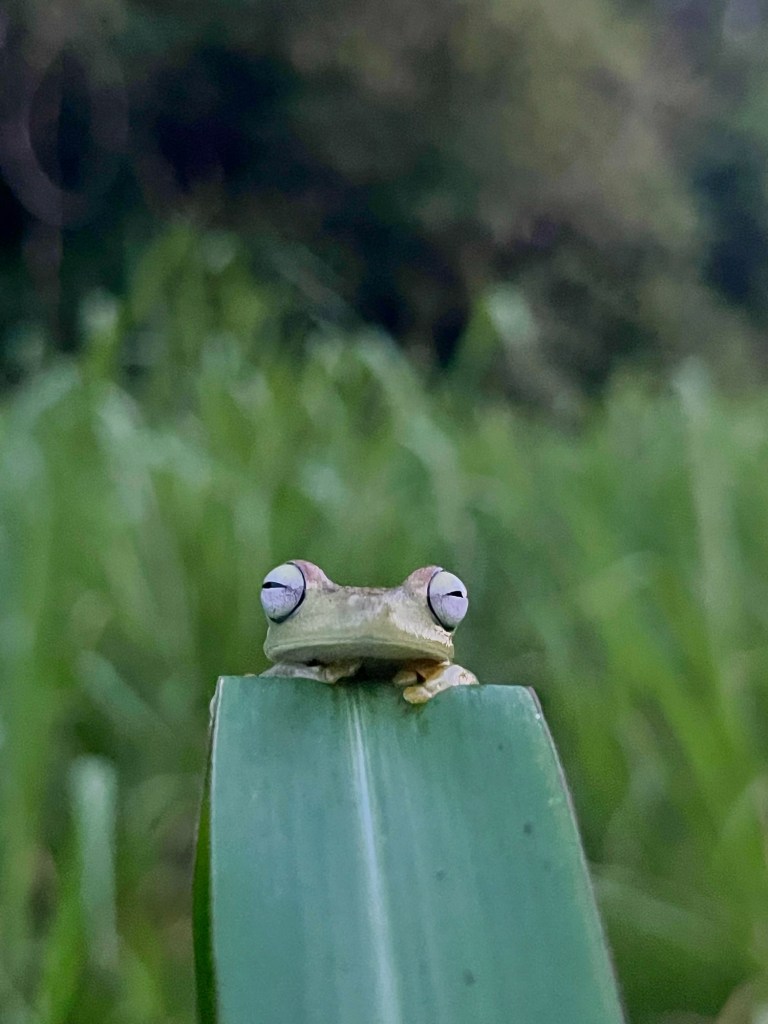
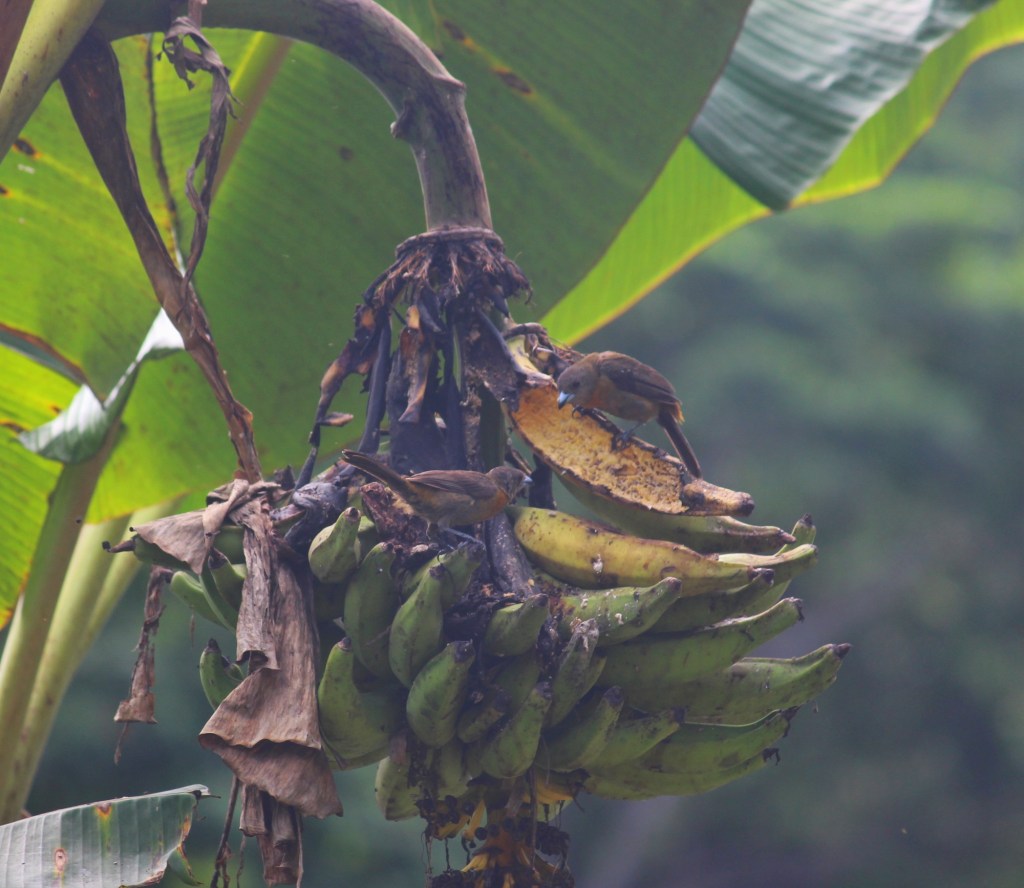
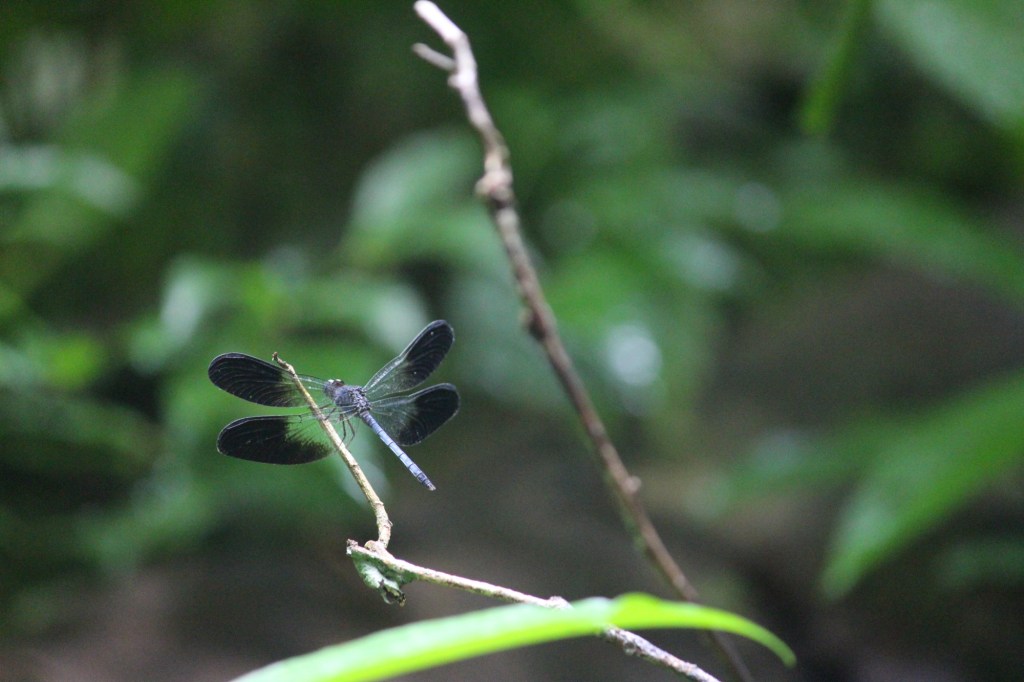
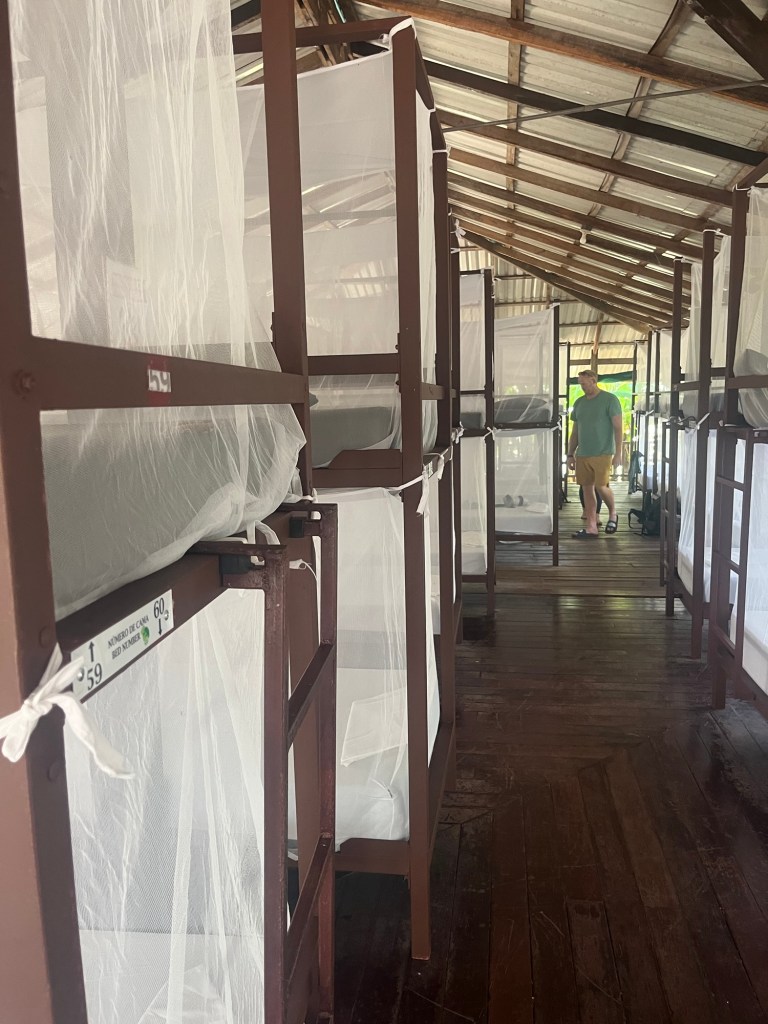
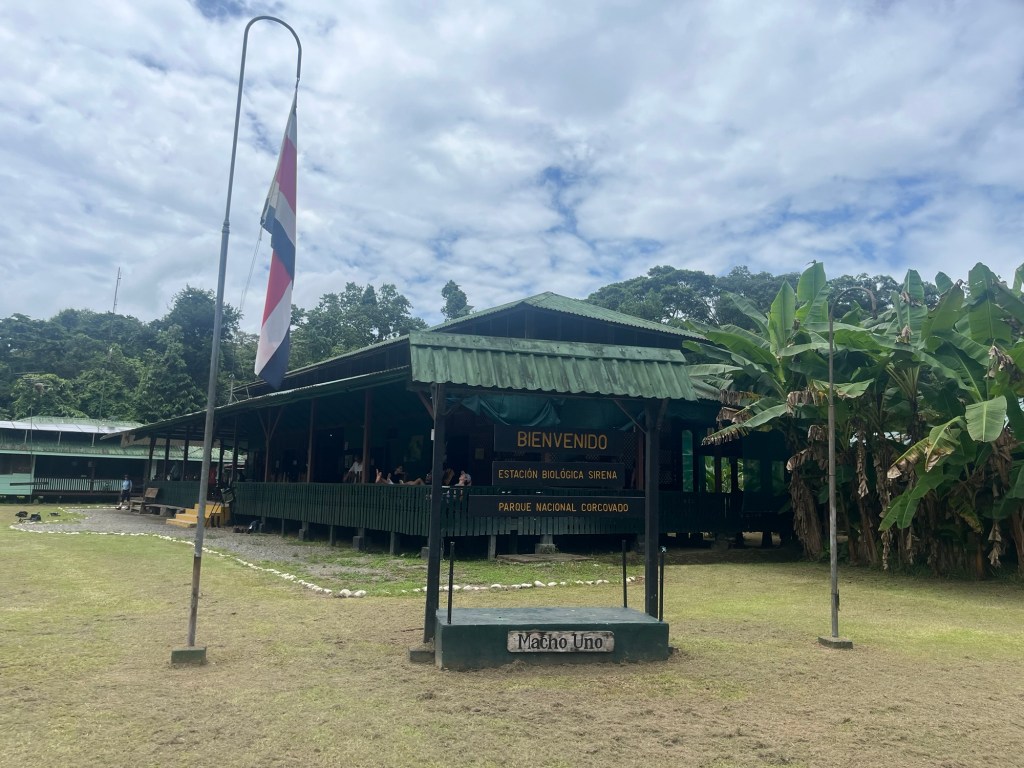
When in the jungle, we stayed at La Sirena station. A wooden station with canteen, bathrooms and an open dorm with bunk beds surrounded only by mosquito nets. The day had a strict rhythm to it. Your first walking safari began at 5am, back for breakfast at 8am. The next walking safari was 9-11.30, back for a similarly typical lunch of salad, rice, beans, egg, plantain and juice. A few hours off in the afternoon followed by a walk 2.30- 5.30. Dinner, a wash and then lights out by 8pm. Everyone was encouraged to their beds by the cessation of power and WiFi, but the stars overhead were numerous, twinkling brightly with the lack of light pollution. The jungle flashed with fireflies moving throughout the canopy and the noises demonstrated the lively
presence of nocturnal creatures.
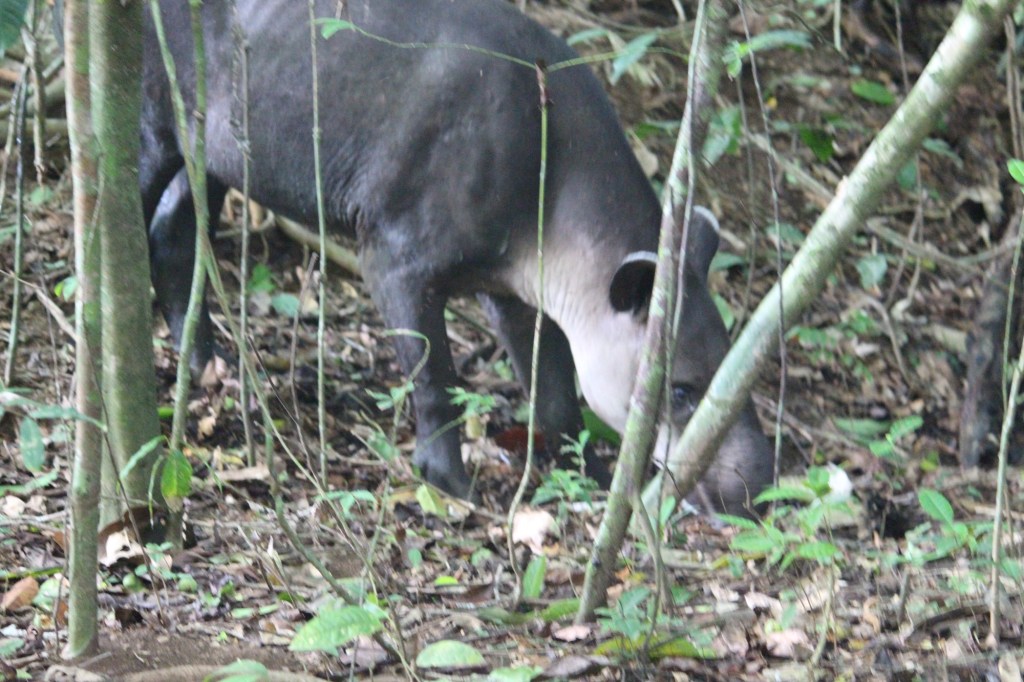
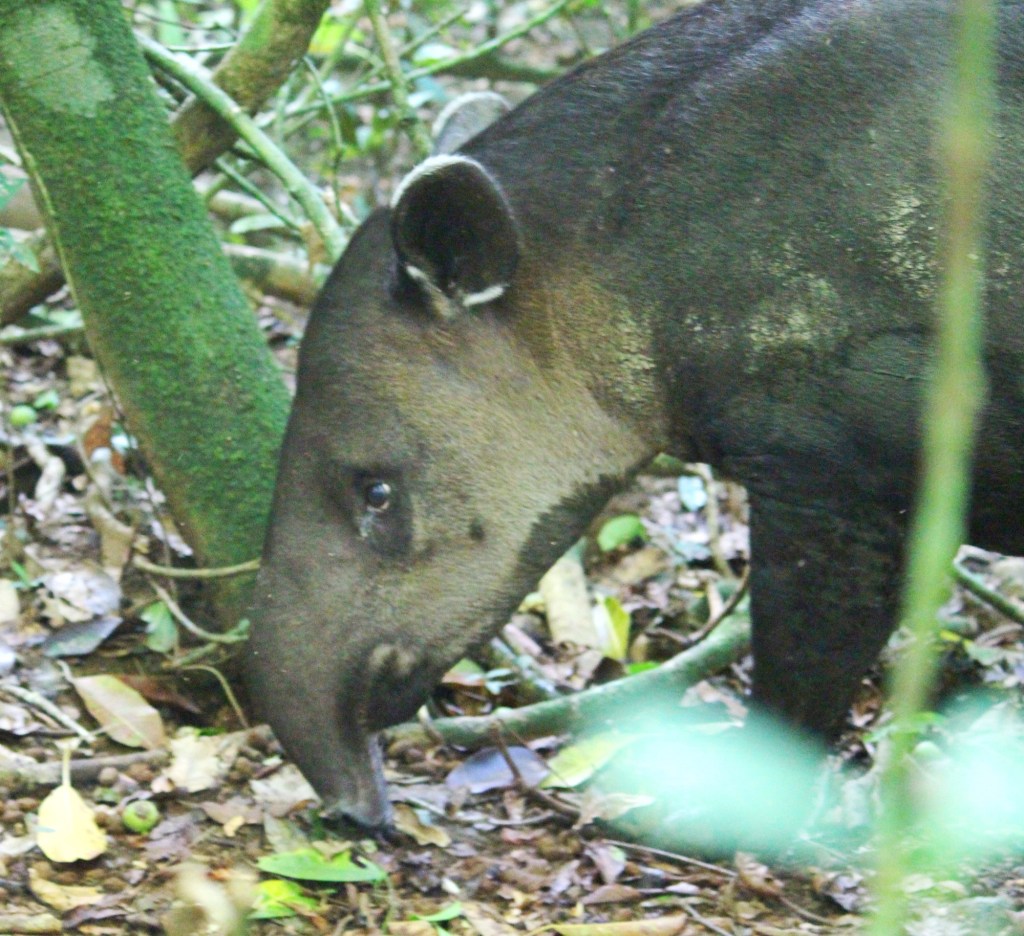
Our encounter with the mammals of the jungle was exhilarating. Our first Tapir was lying on the beach, hiding from the midday sun. Mostly belly and paw, it was amazing to see the underside of her podgy toes. Later in the day we encountered two of them grazing. They were bigger than a large pig, their long nose swinging through the vegetation, feeding on leaves. The sound they made from their snout was something best placed in a space movie. A high pitched exhalation of air sounding like it belonged to a much smaller animal. They came to within a metre of me, an absolute honour to be in their presence.

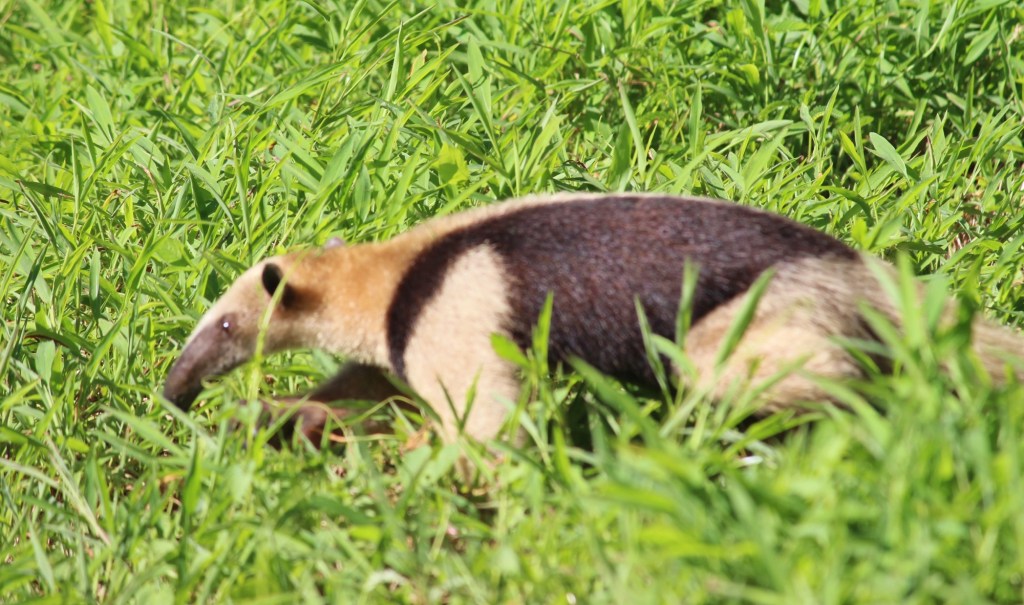
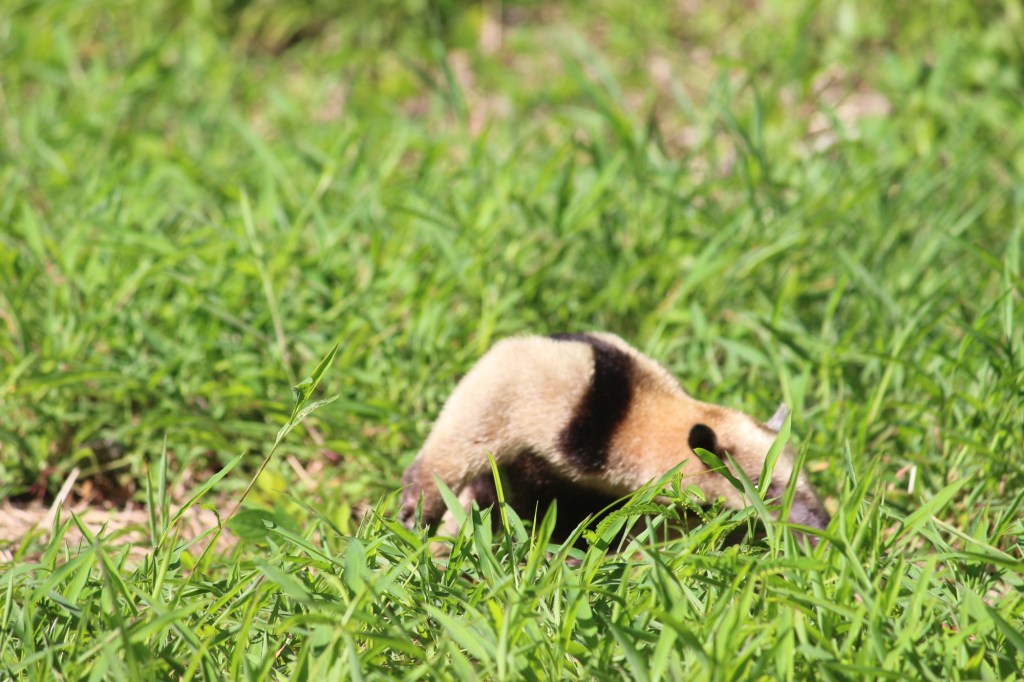
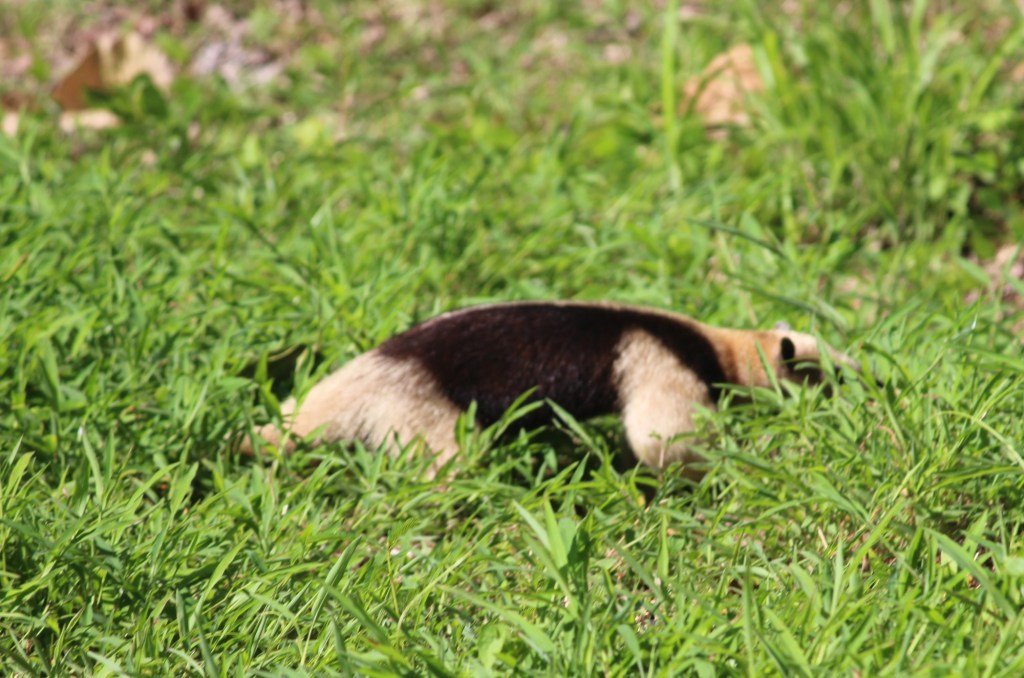
The anteaters were equally surprising. The first one we encountered was walking through the grass, dressed smart in his dinner jacket looking coat. With very limited eyesight, they navigate mostly by hearing and smell. After this encounter, I never expected the next sighting would be high in the canopy, nimbly navigating the treetops in search for ants. They scratched at dead branches revealing the hidy holes of ant colonies, then use their snout as a hoover to enjoy their dinner. They pounce and jump with the agilities of monkeys and are equivalent in size to a stretched version of a small dog!

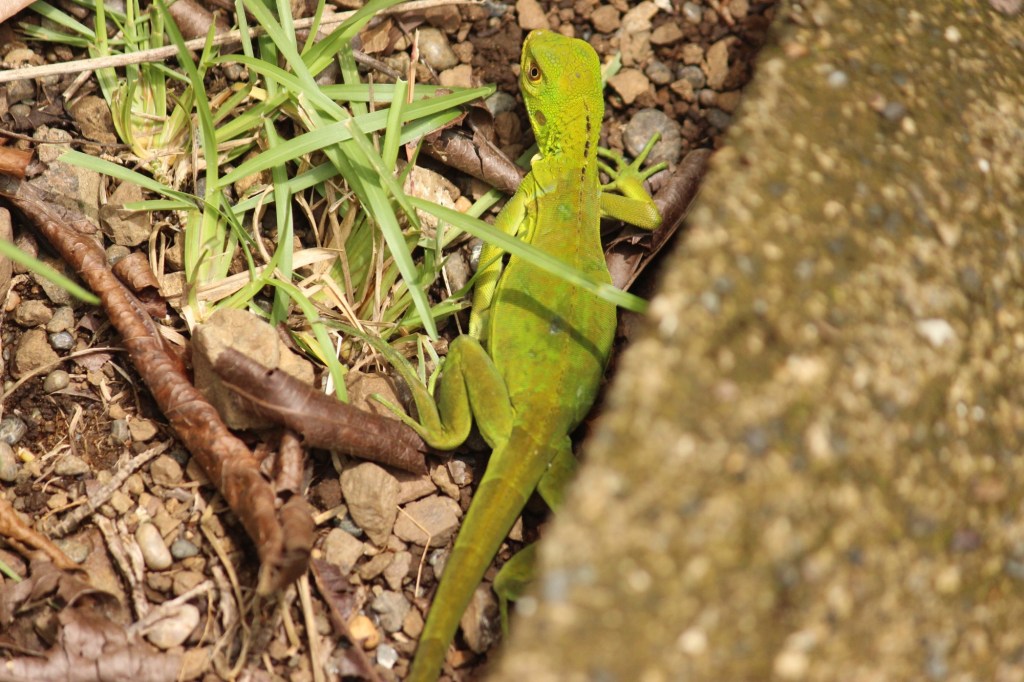
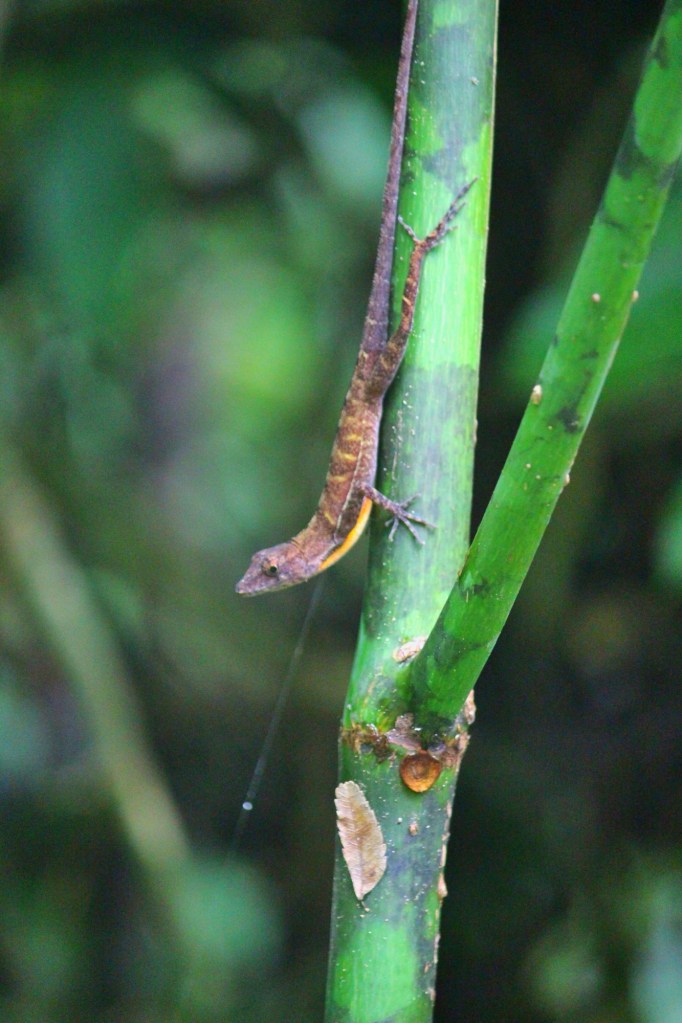
Whilst taking a pause one walk, a tiny hawk fell through the canopy and hit the ground clasping a bright green lizard, before immediately activating power up mode and taking off to enjoy their snack in the tree tops.
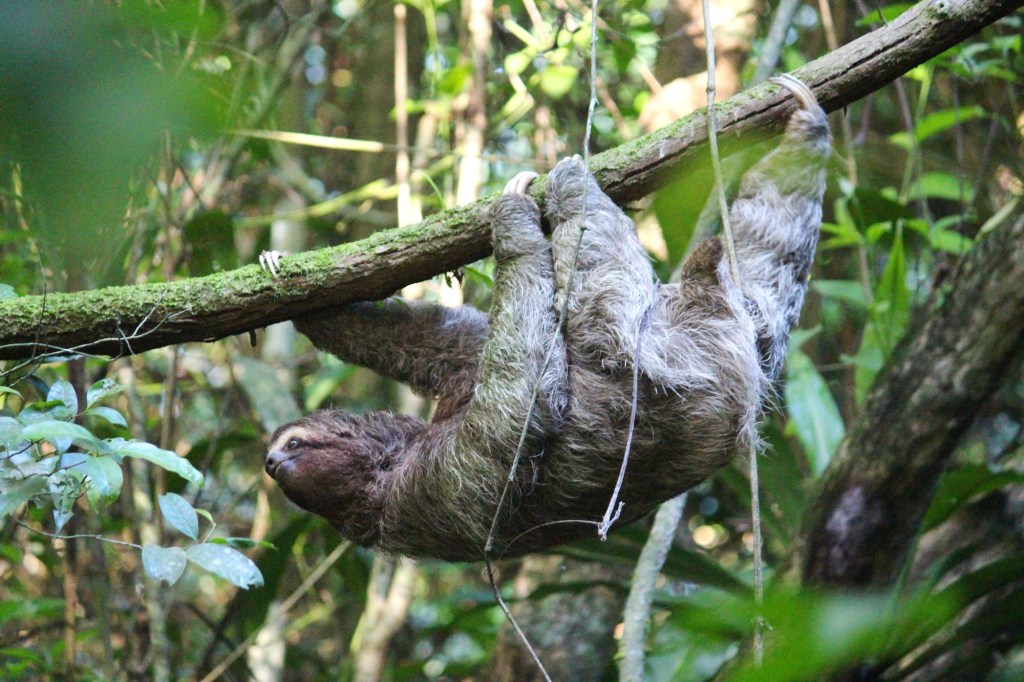
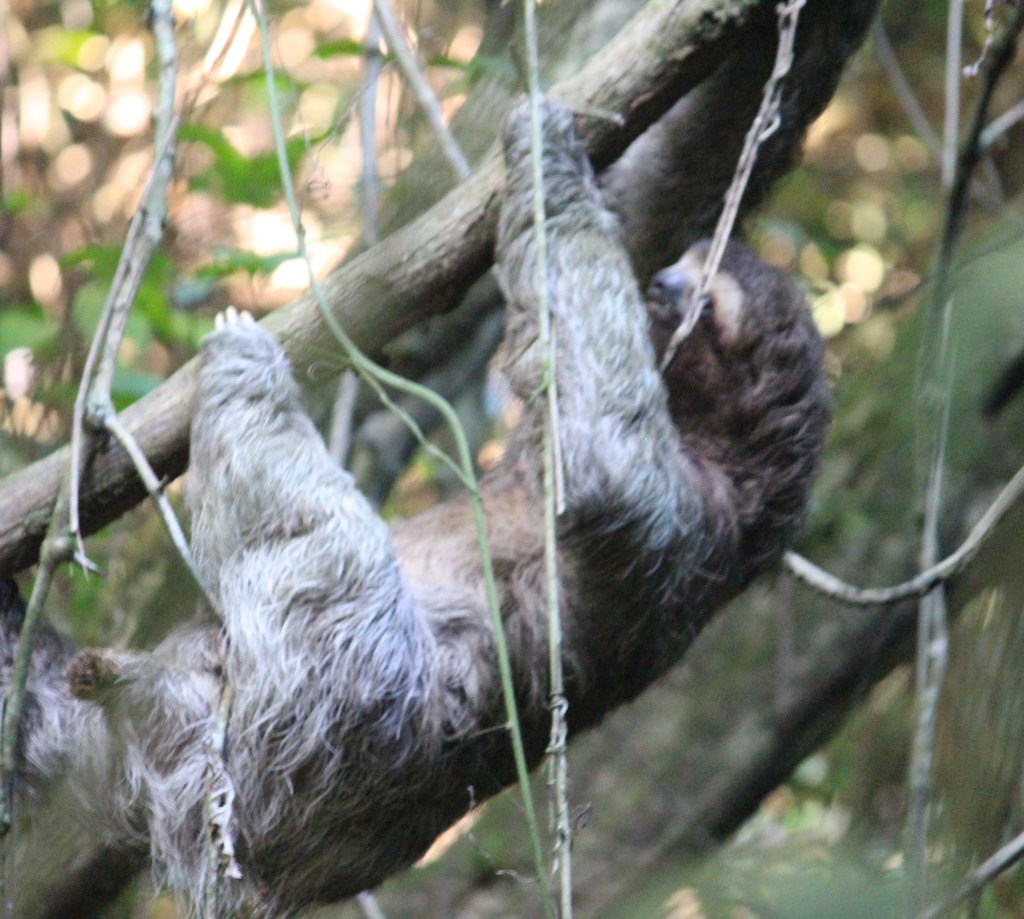
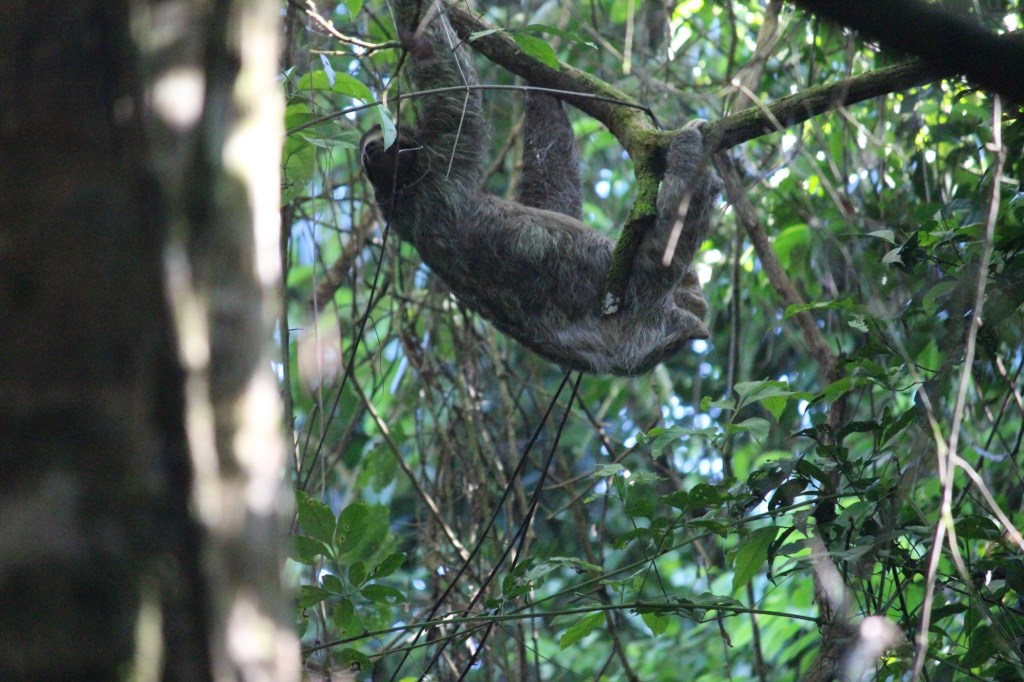
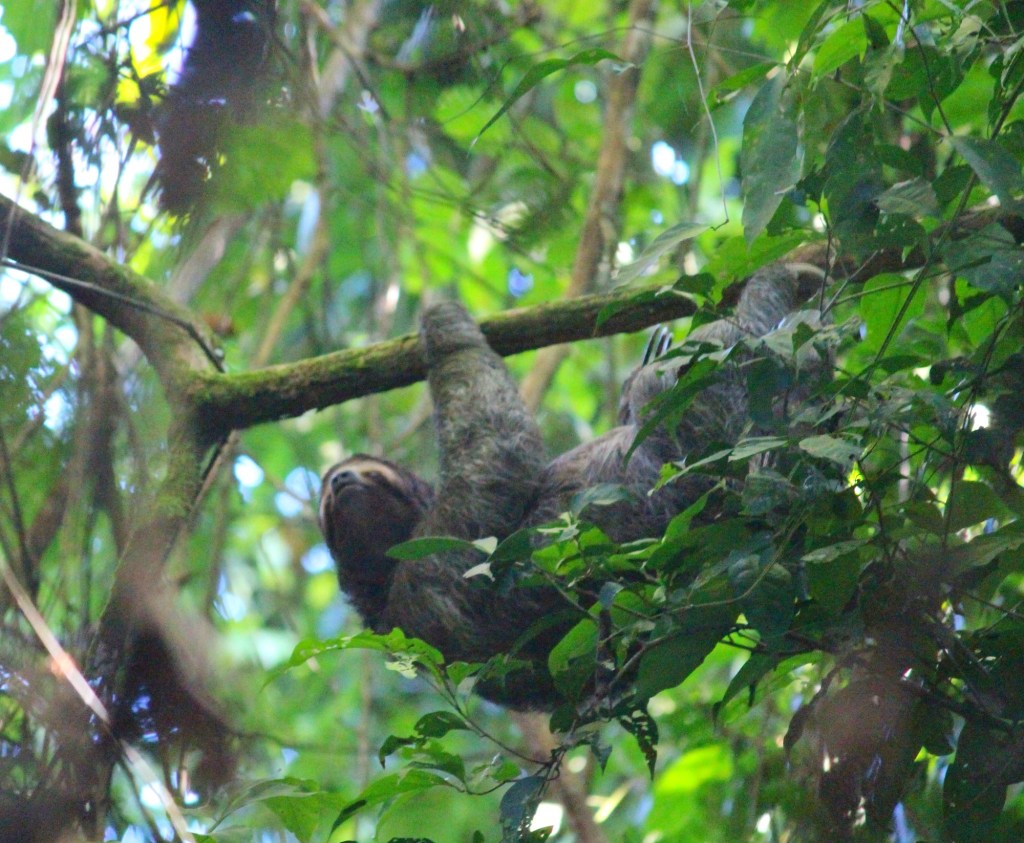
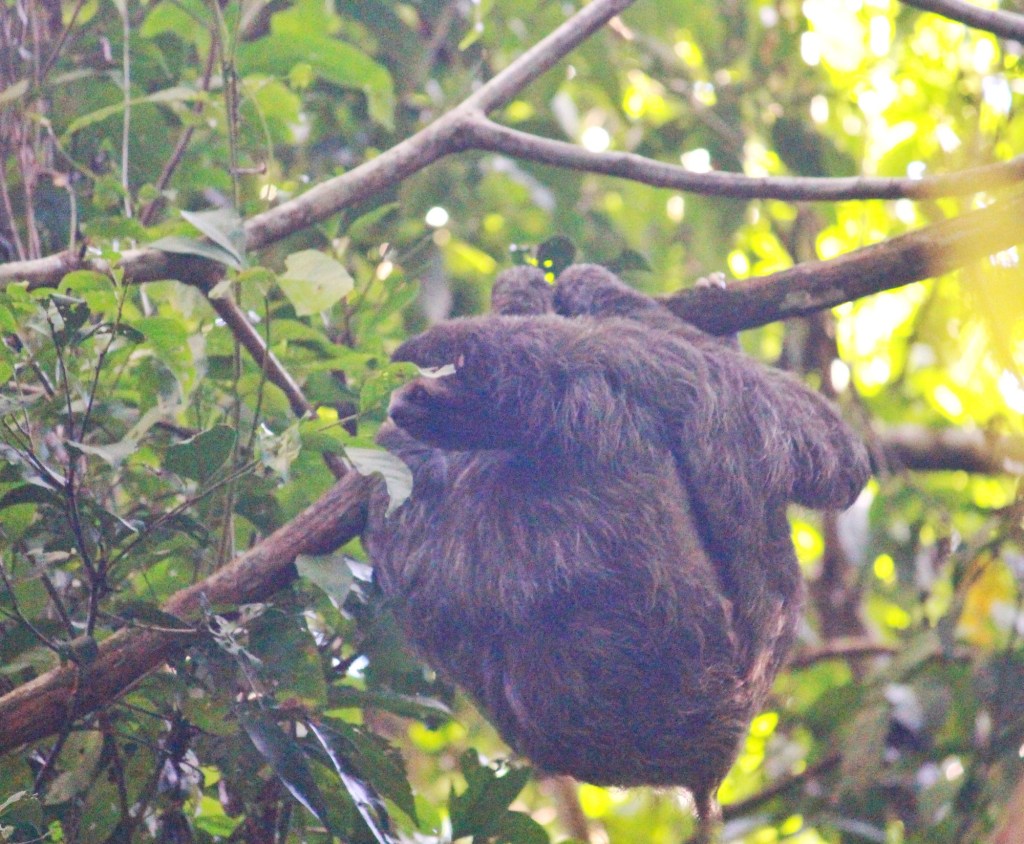
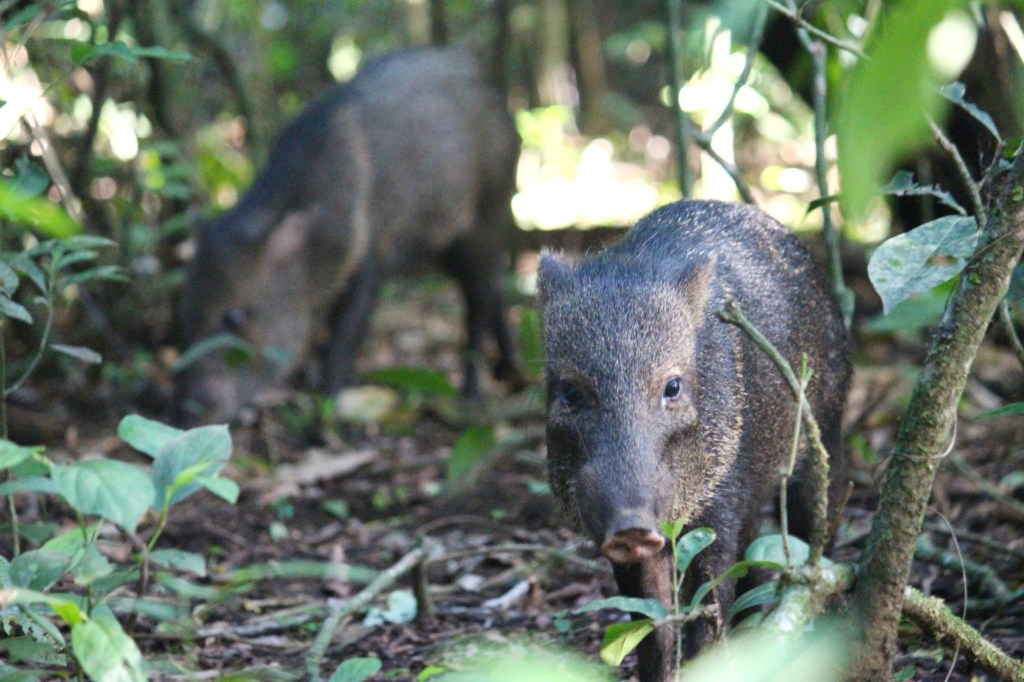
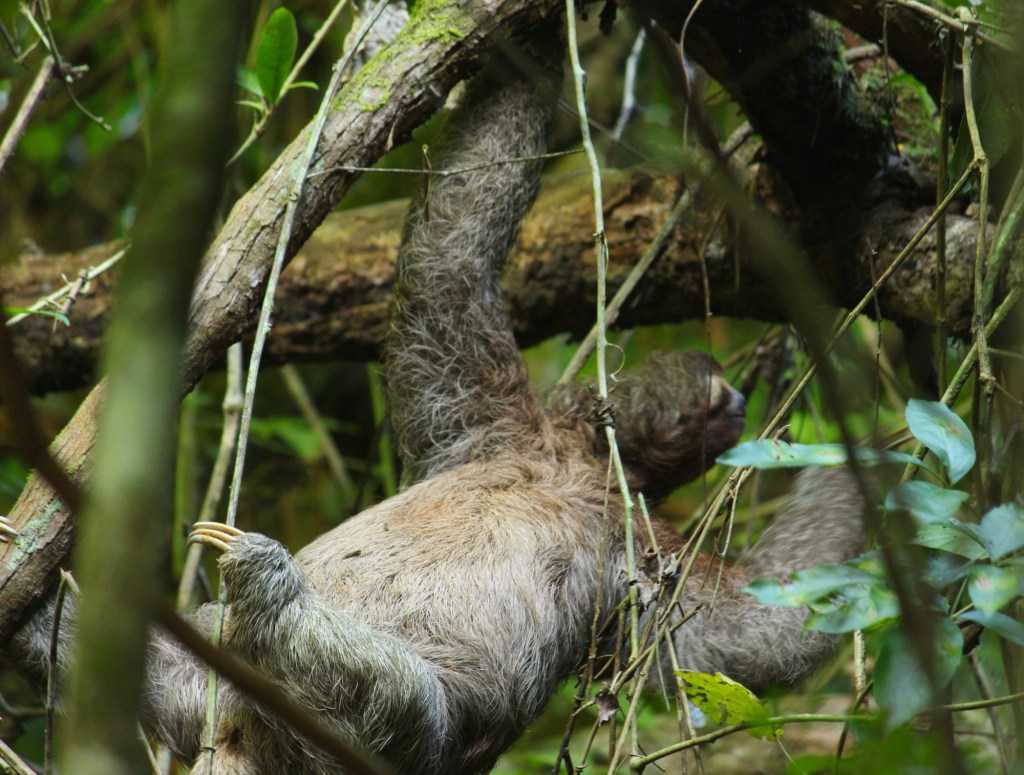
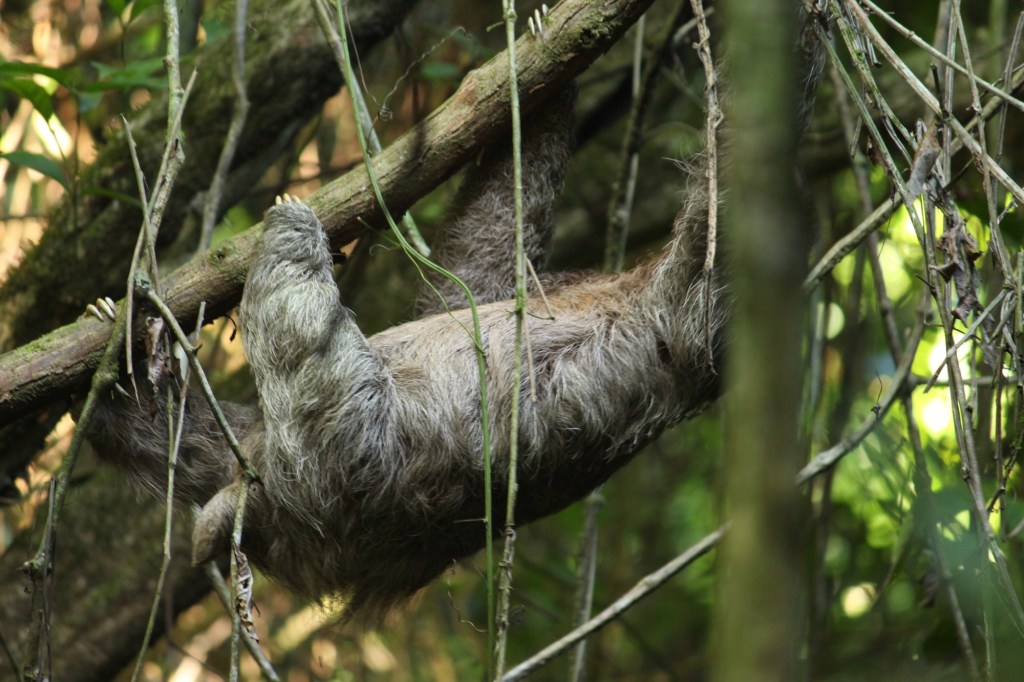
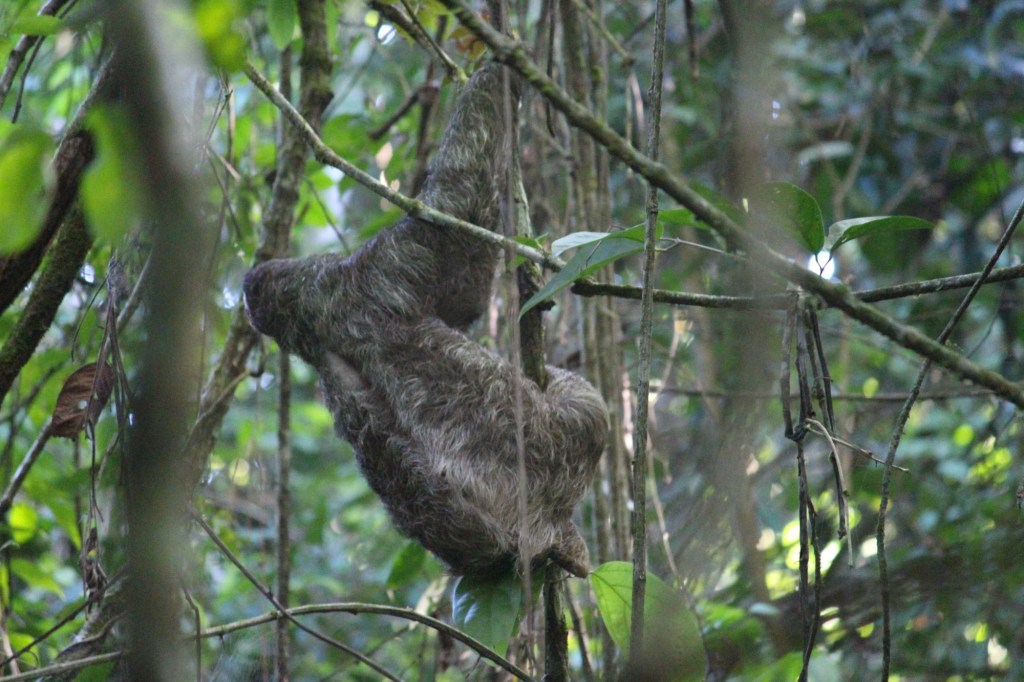
Our luckiest spot was a three toed sloth climbing down to the jungle floor to have his weekly poo. Three toed sloths poo on the jungle floor and have an amazing three way symbiotic relationship. The coat of the three toed sloth is home to a moth which exclusively lives on sloth fur. The reason it does so, is when the sloth climbs to the floor for its weekly poo, the female lays her eggs in the fresh dung. The newly hatched moths return to the canopy to mate in the sloths fur. The fur is also full with algae which gives it a camouflage, but also supplements its nutrient poor leafy diet. It has been shown that the presence of the moth helps to cultivate the algae, helping the sloth, therefore explaining why he is happy to make the slow, dangerous and energy intensive journey weekly to the jungle floor. Watching the sloth climb down was like watching a slow motion computer animation. He moved gently but steadily, covering the ground quickly, before squatting behind a tree, then clambering back up, in total taking about 30 exciting minutes. In the meantime, a group of pecories (small wild boar) surrounded us, foraging the jungle floor! It was all going on!

Our final morning, we saw endless Coati hunting together. Young and old alike made up a group of around 60 of these badger/racoon/catlike mammals, each with fuzzy erect tails which remind me of bumper cars connected to the ceiling of a fairground. They were unphased by us as they stuck their snouts into the holes of land crabs, and when they hit lucky, devoured a crunchy snack before moving on to the next.


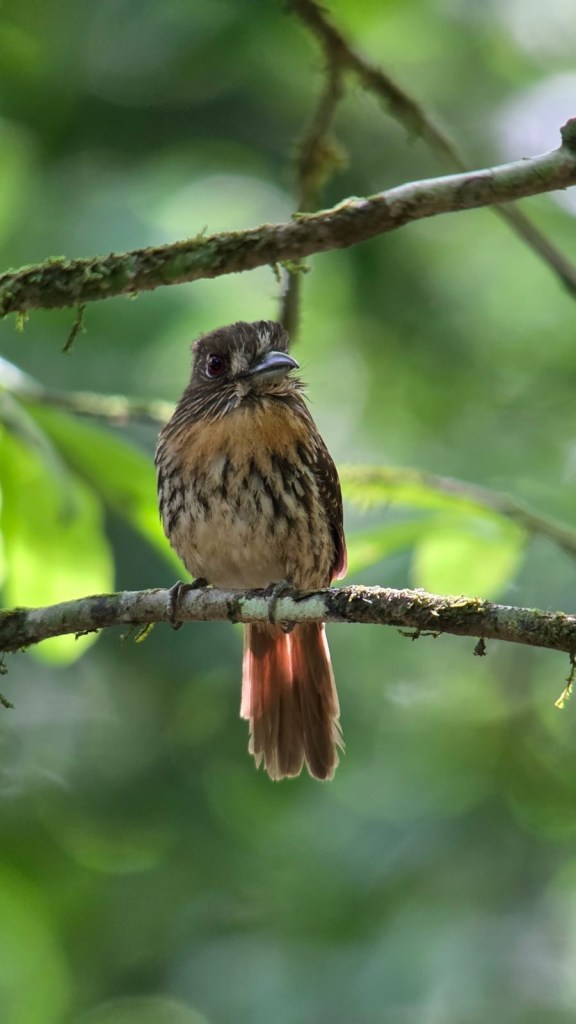


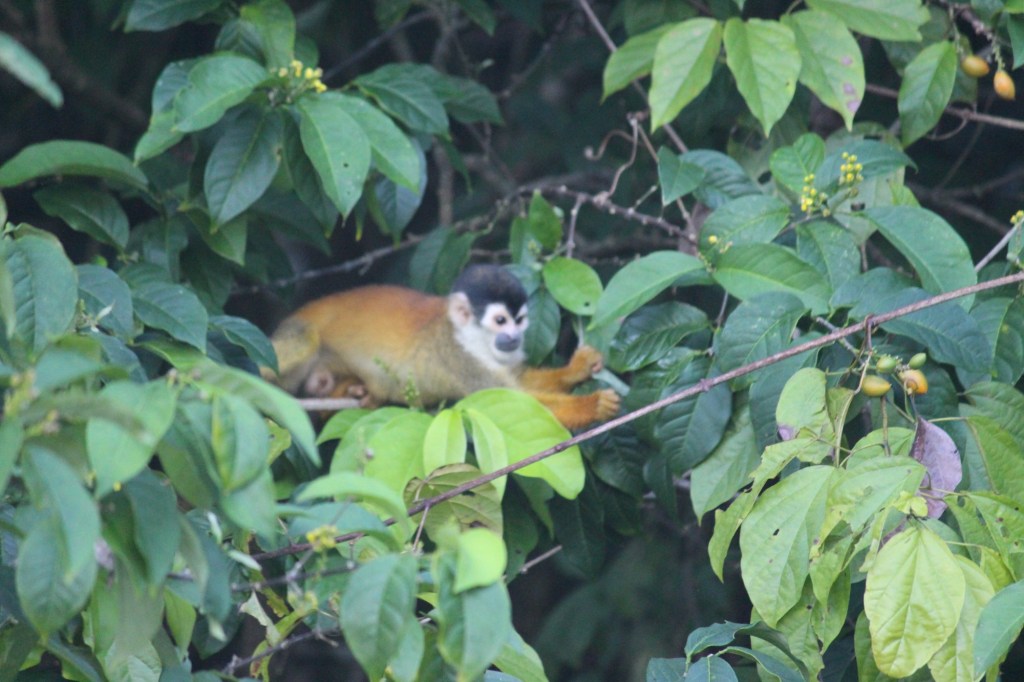

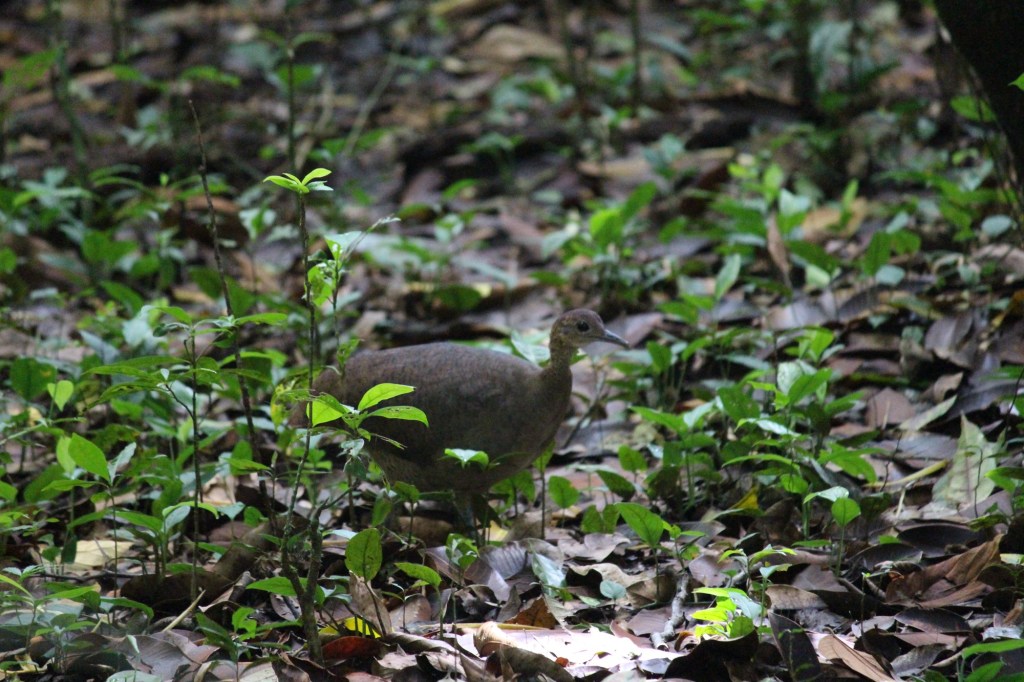
With the jungle an absolute highlight for all of us, we were escorted by tractor and trailer to catch the last wooden boat out before the weather turned again. It was such an incredible highlight to see such biodiversity, and demonstrated perfectly how prized and protected the environment is within Costa Rica.

