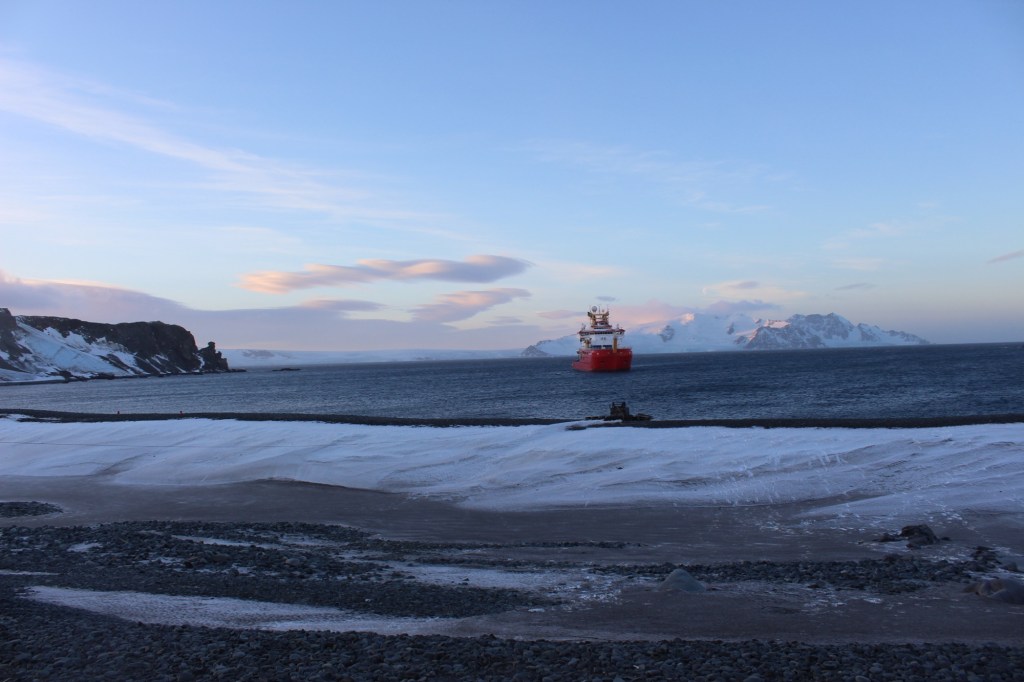
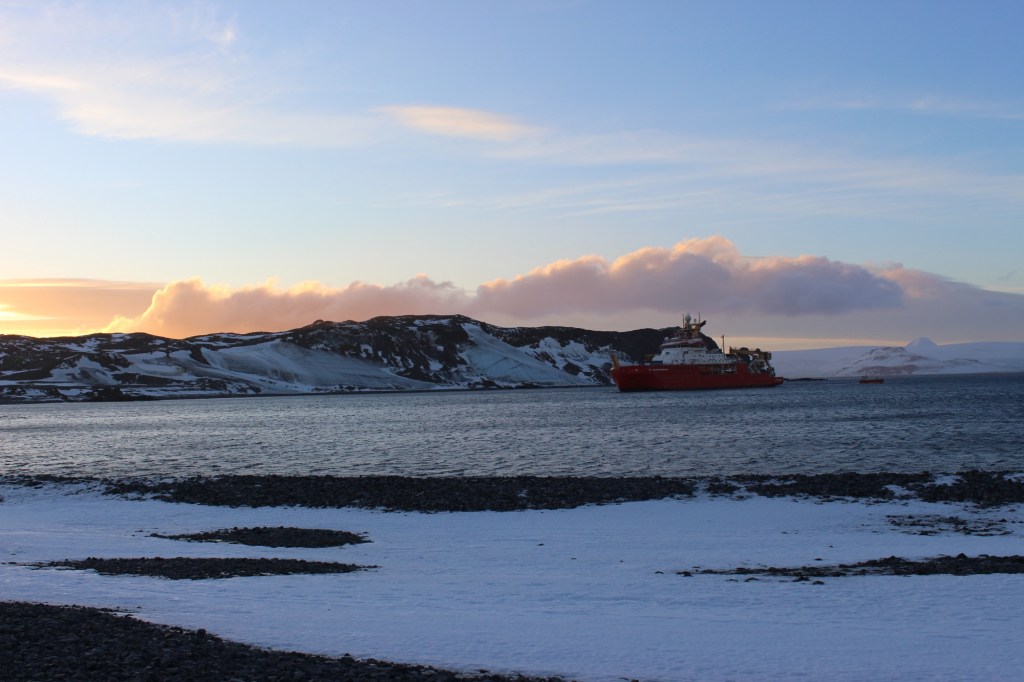
The big red taxi had come for us. A strange inevitable closing of the Rothera season, with sadness in the goodbyes, and anticipation in what lay ahead.
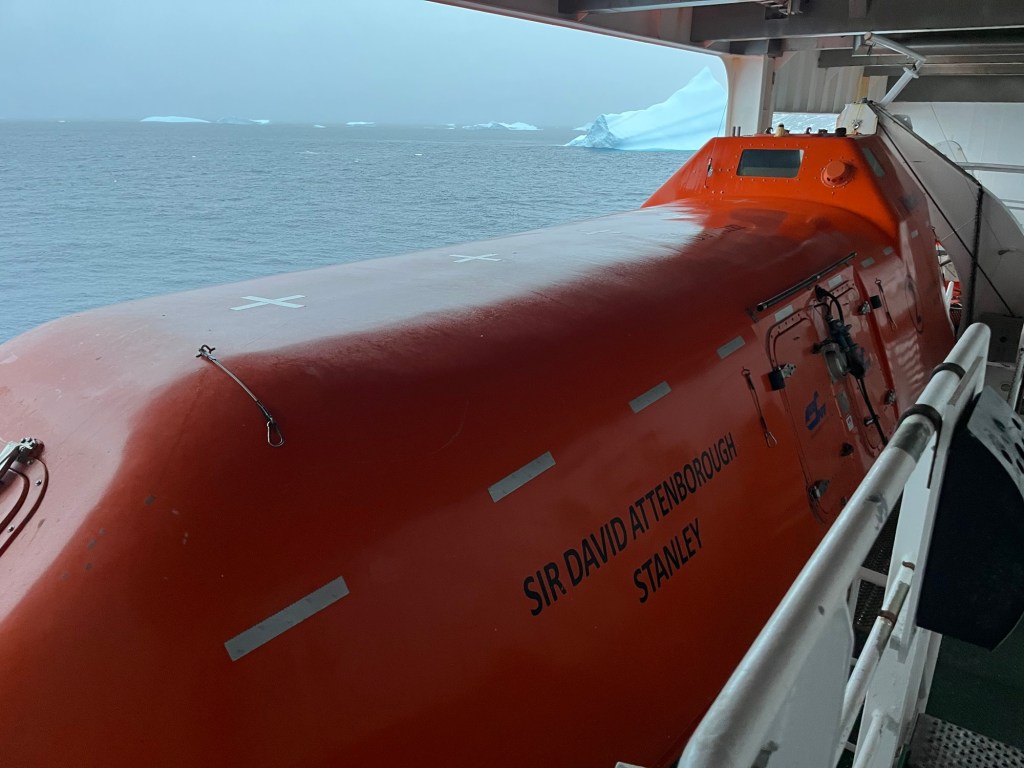
As soon as we had waved our poignant goodbyes and the ship had sounded its horn, we filled inside to await a fire drill. We had to muster, and then once accounted for we had a lifeboat drill where we needed to collect life jackets and immersion suits and file into the lifeboat. The lifeboat can seat 90 people which feels incredible looking at it against the ships deck.
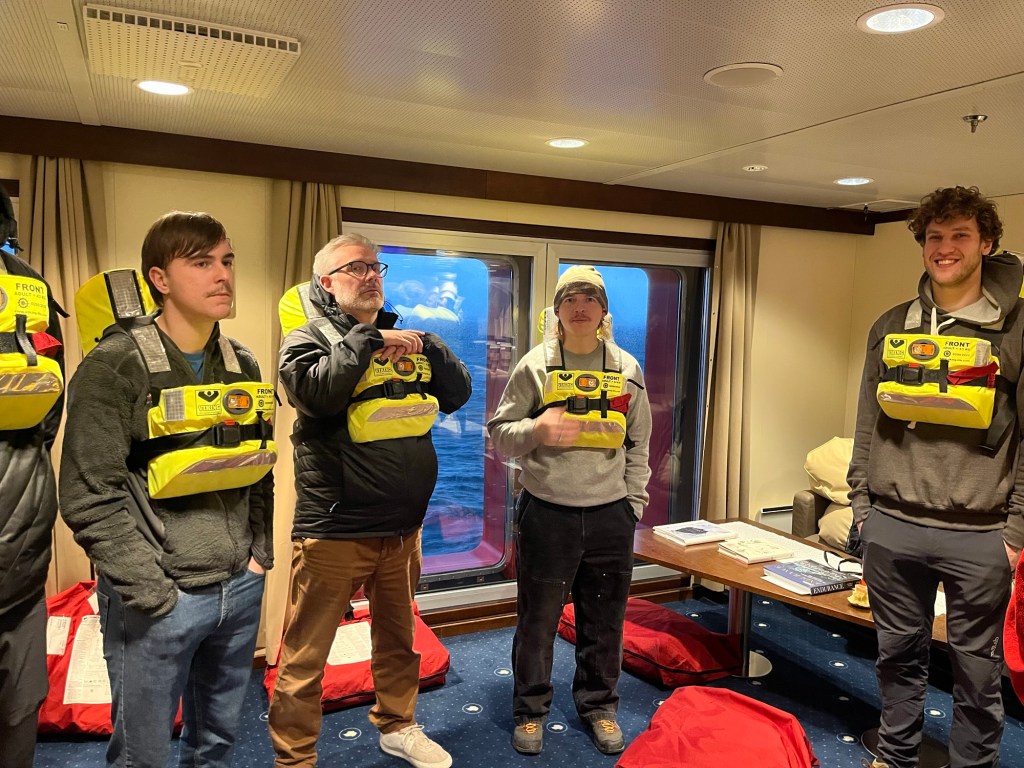
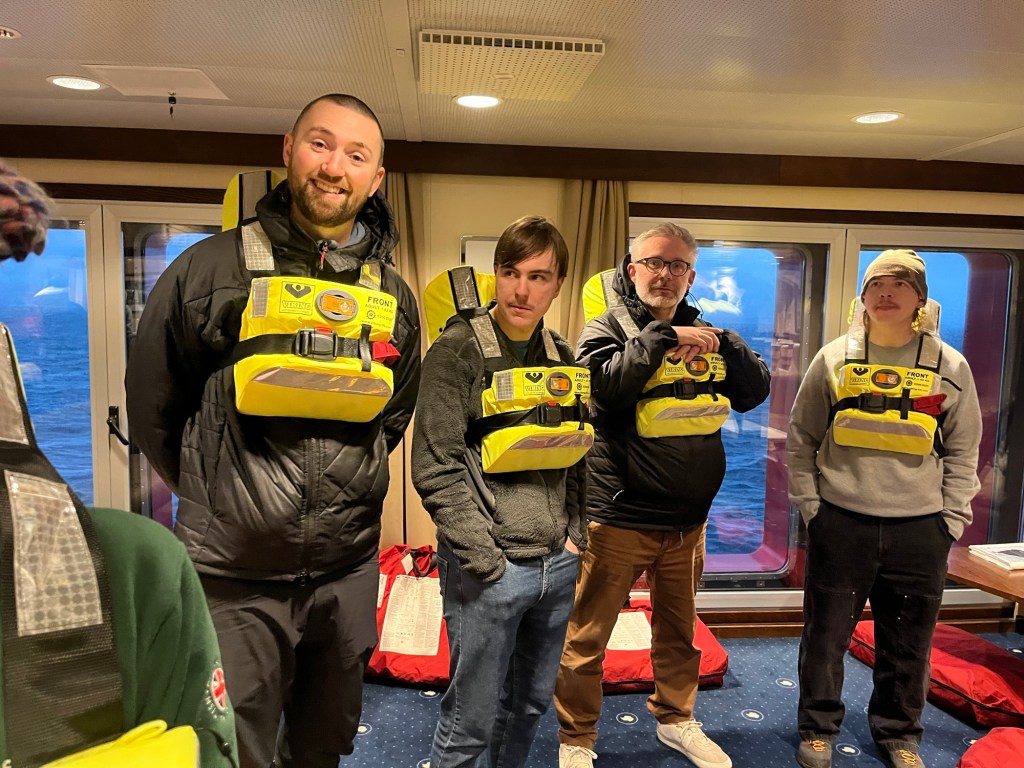
We then had a safety briefing in the conference hall. As many people had taken sea sickness tablets there were lots of sleepy looking faces. We were told what to do in case of collision, piracy and any other emergency.
Mere hours after cast off the Rothera bubble felt distant. We spent a lot of time in the bar and day room, playing games, reading and chatting.
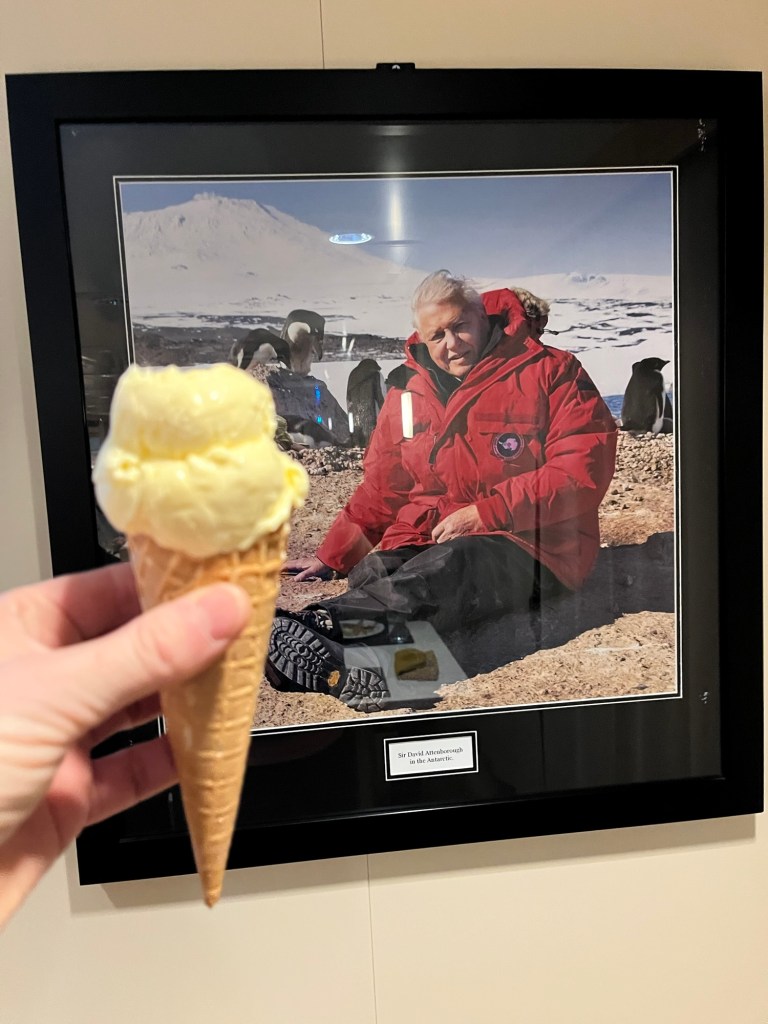
Meals were punctual and there was a funny sense of naval order, mixed with the BAS that we were familiar with. There was a noticeable increase in luxuries like lettuce and ice cream onboard.
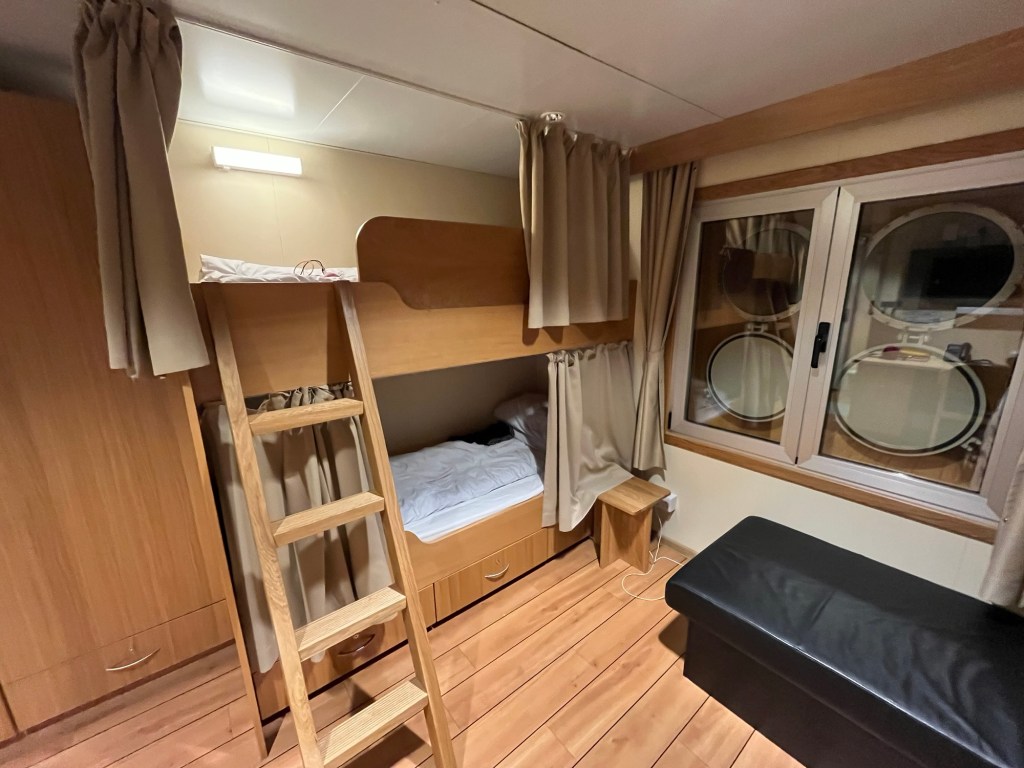
The dorms were pretty roomy, a bunk bed set up for 2, a sofa, desk and en suite.
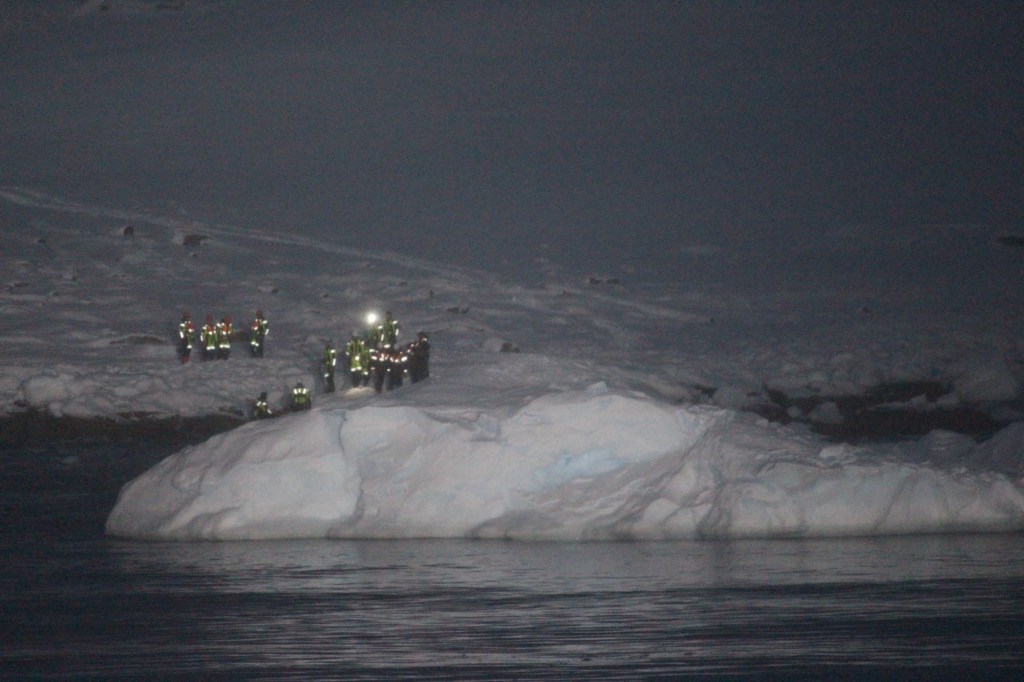
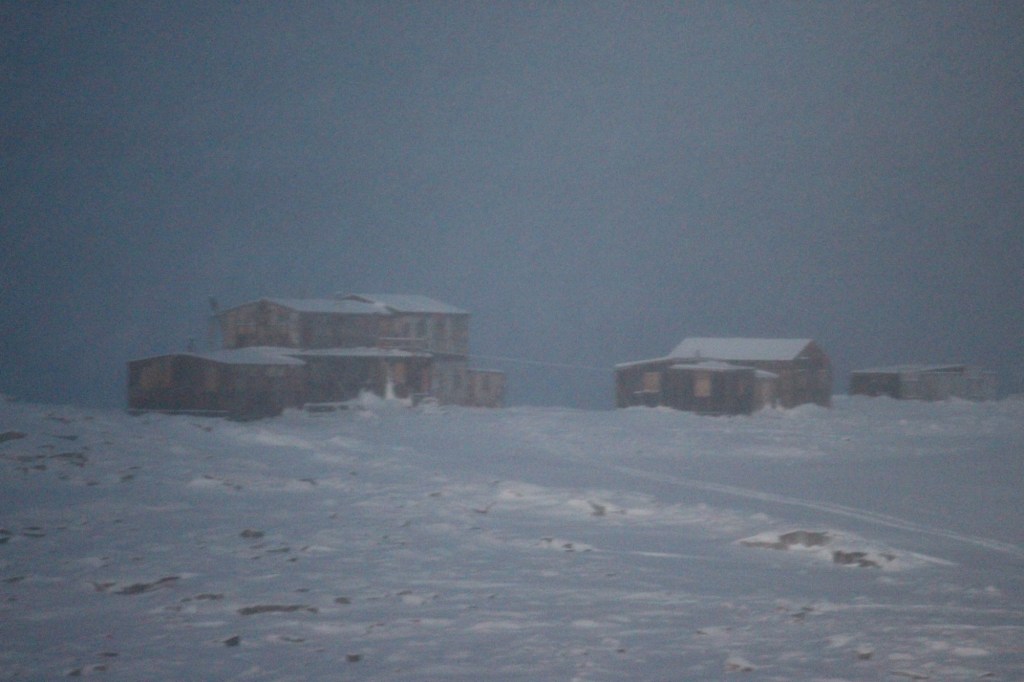
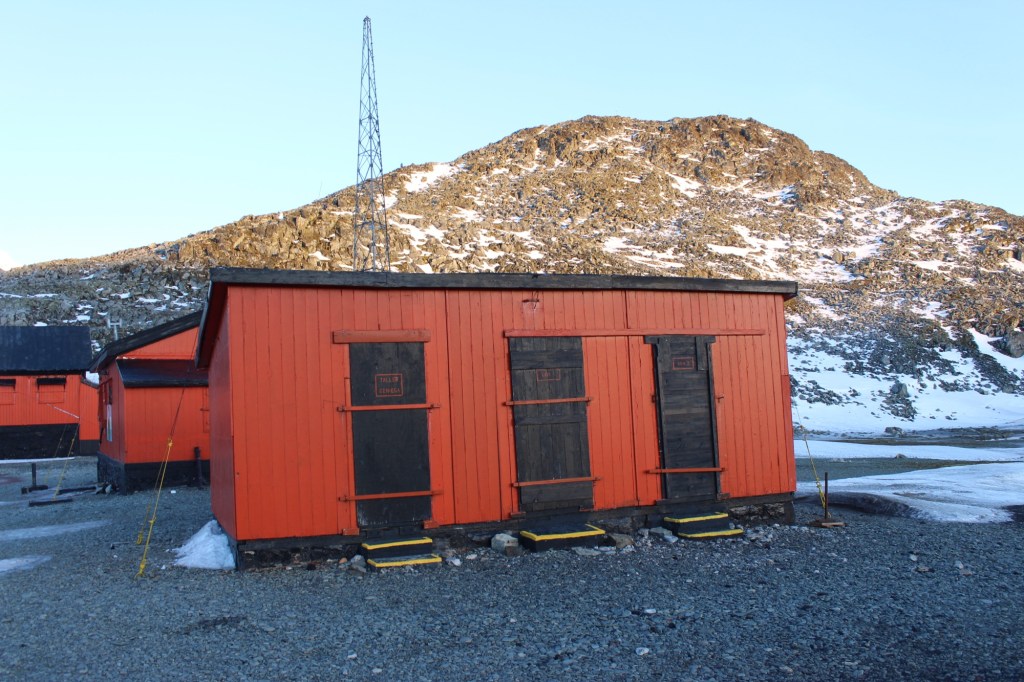
The first 48 hours the ship headed south further to complete some local jobs. The first job was to collect rubbish from a historic British base, Stonington, now under the care of UKAHT. Some people departed the ship, the morning still under the cover of darkness. The base was used for exploration and mapping of the Antarctic peninsula between 1946-1950 and then again between 1960-1975. The base is boarded up, but with evidence of the dog kennels, generator shed, tanks, bunk houses and even branston pickle.
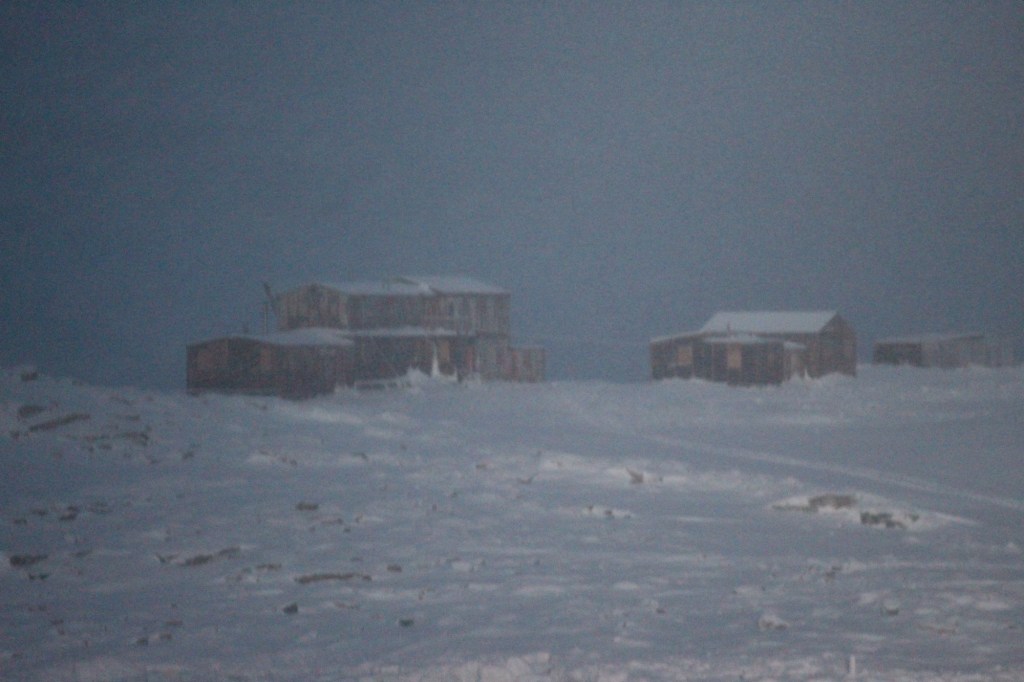
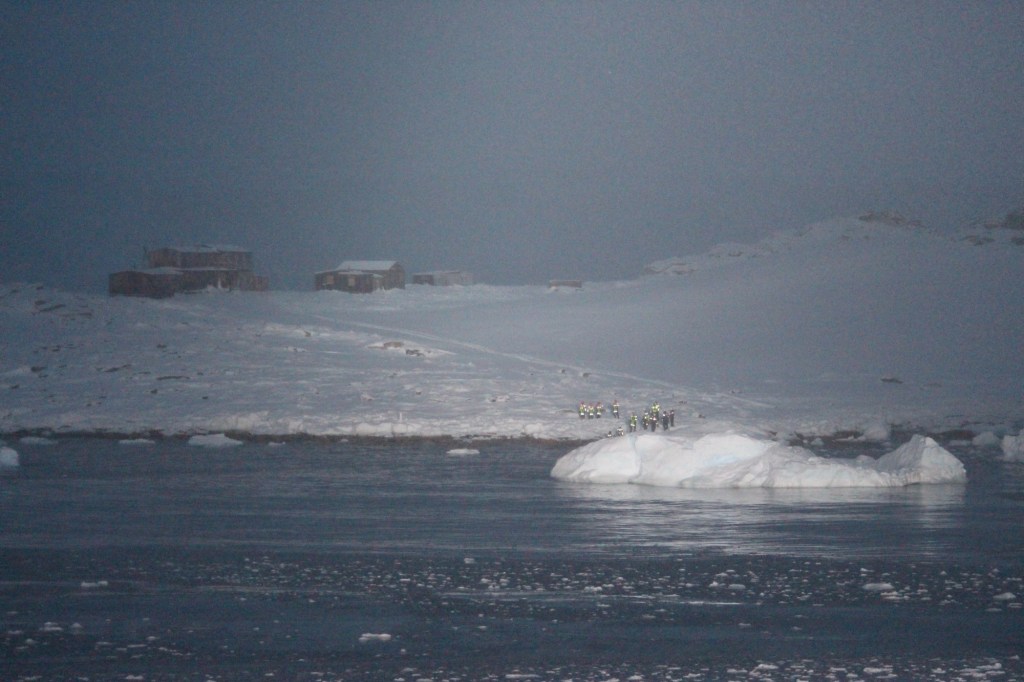
In the afternoon we stopped near Lagotellerie island for the lab scientist Eva to do survey of the Antarctic Specially Protected Area.
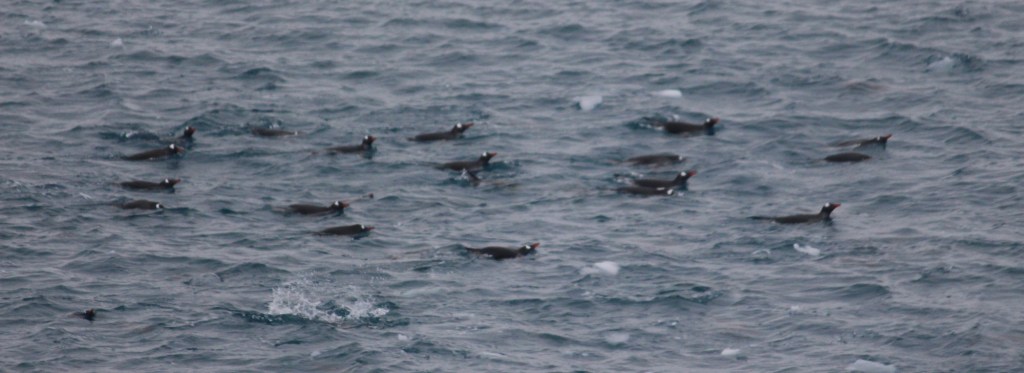
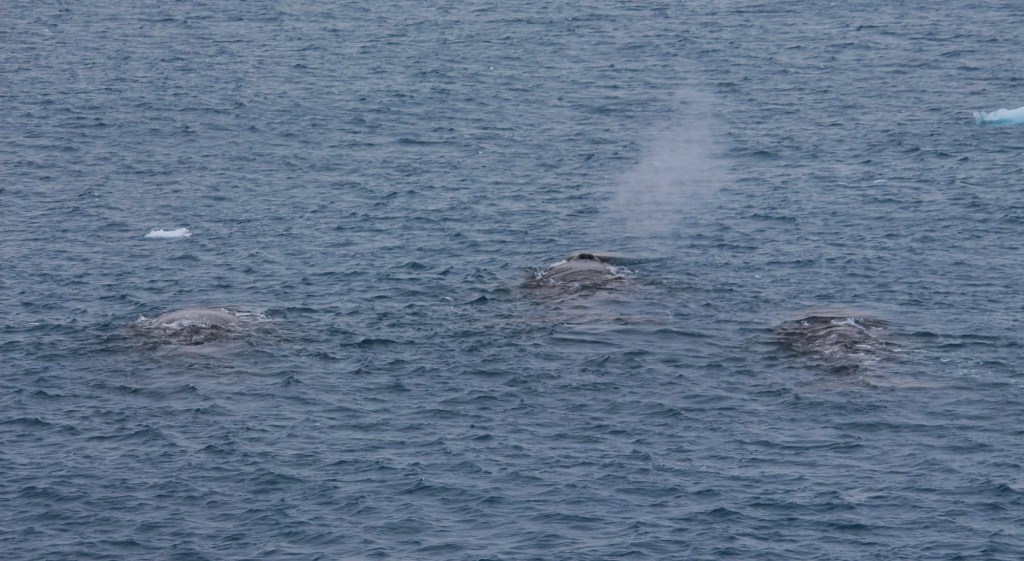
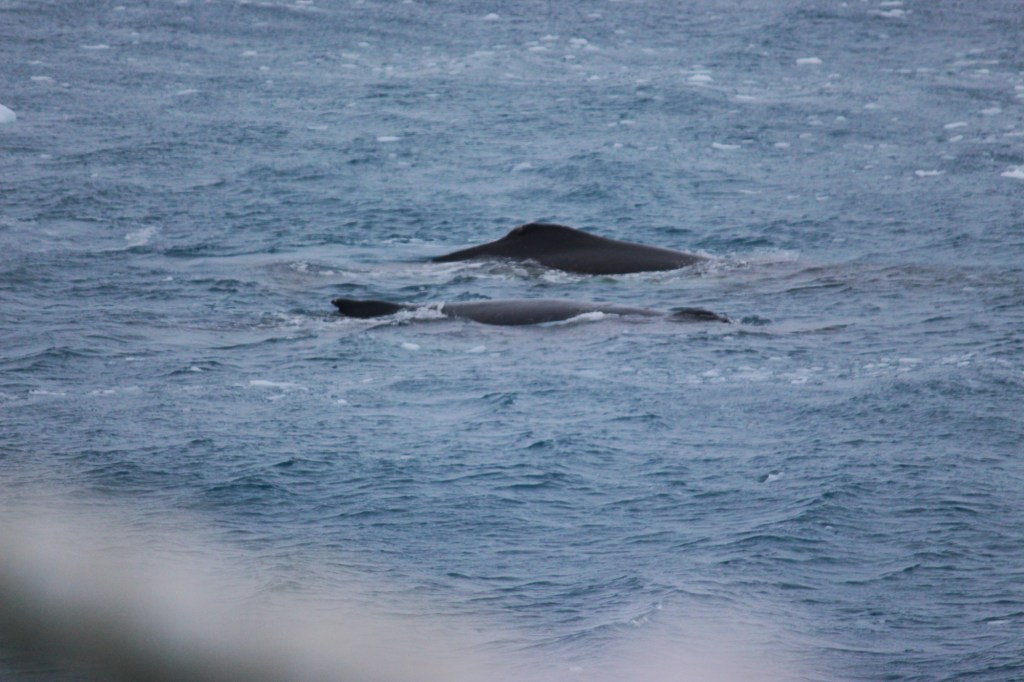
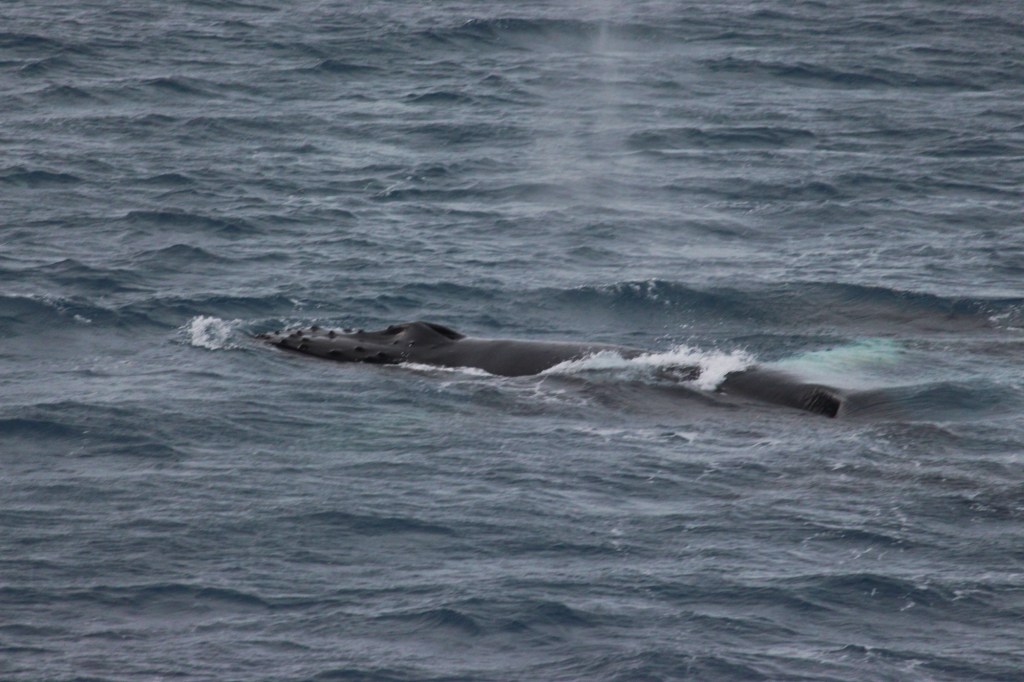
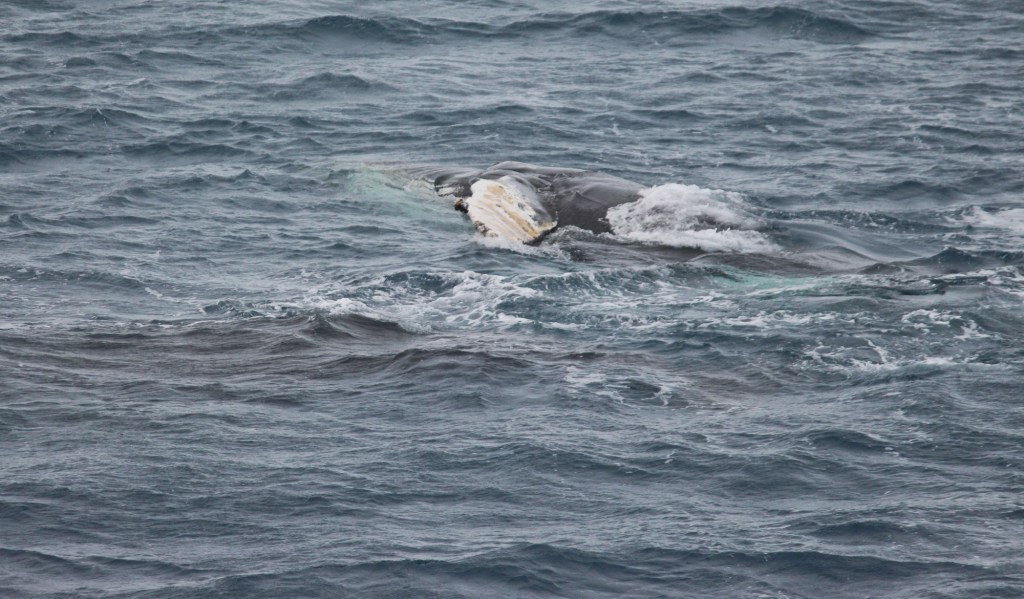
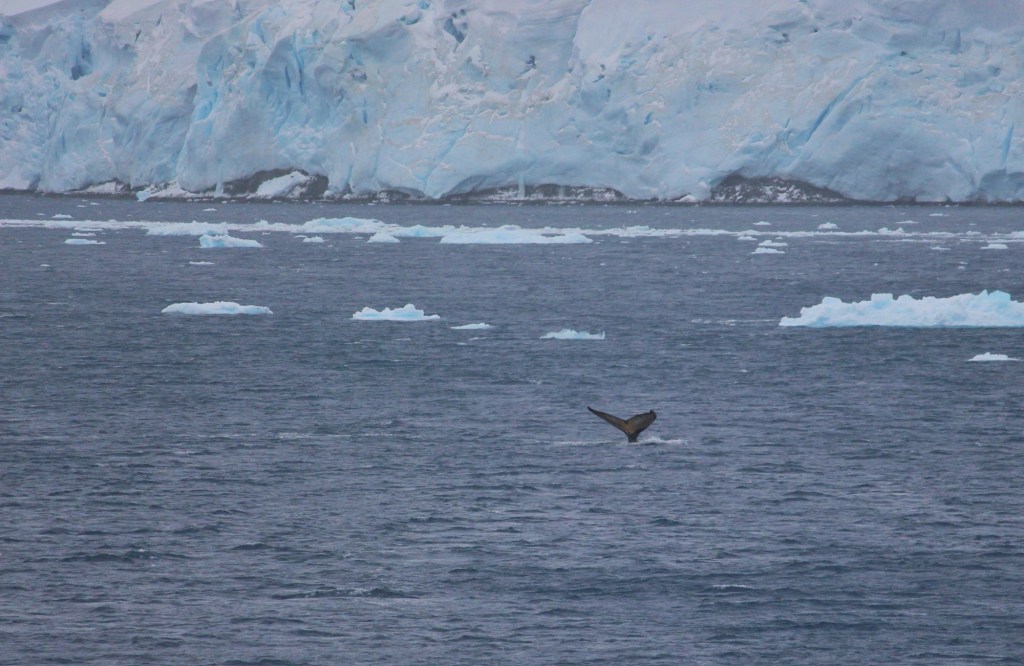
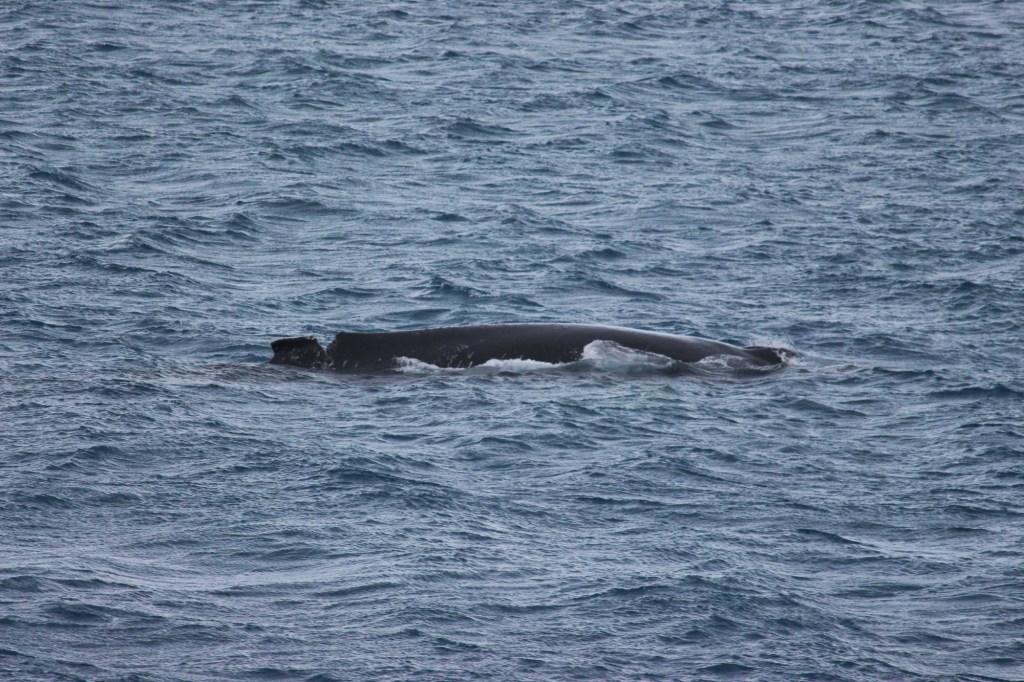
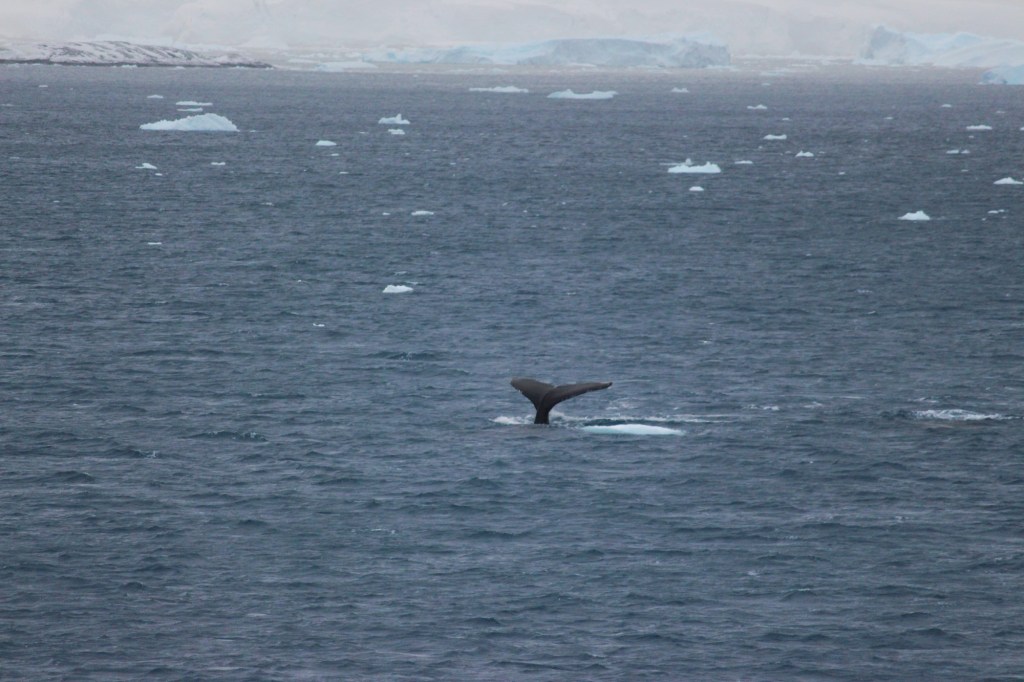
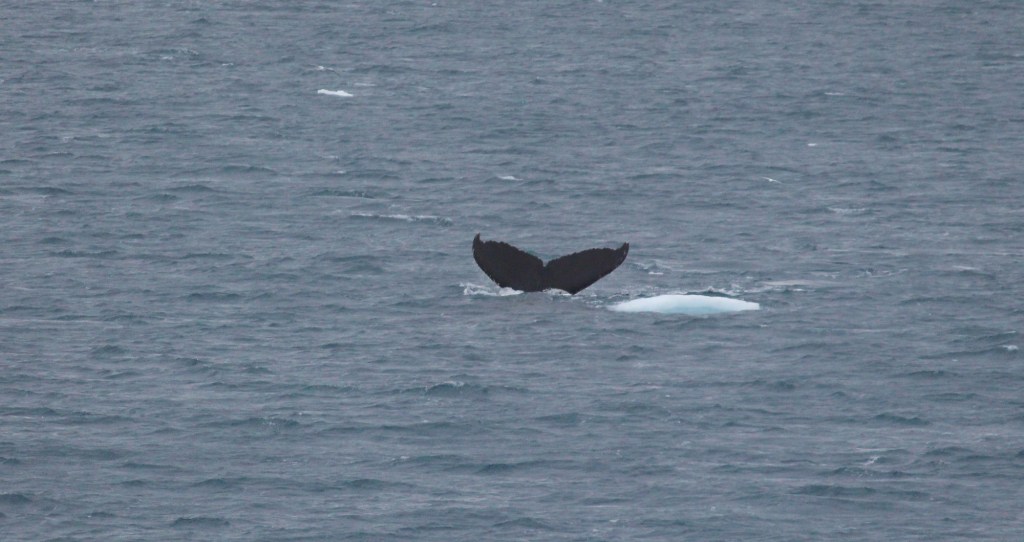
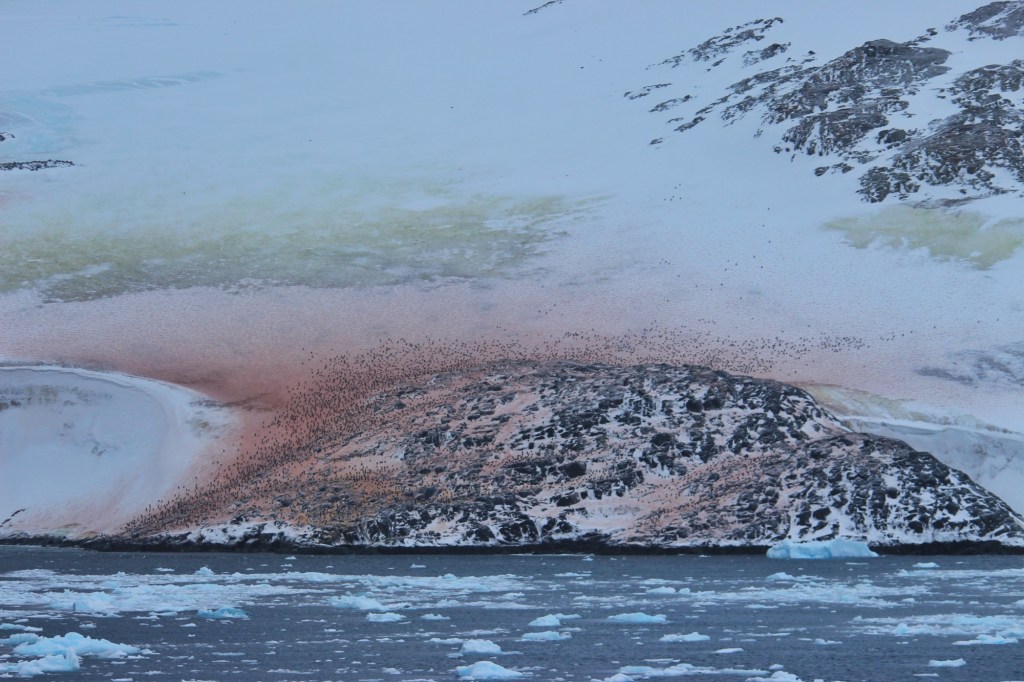
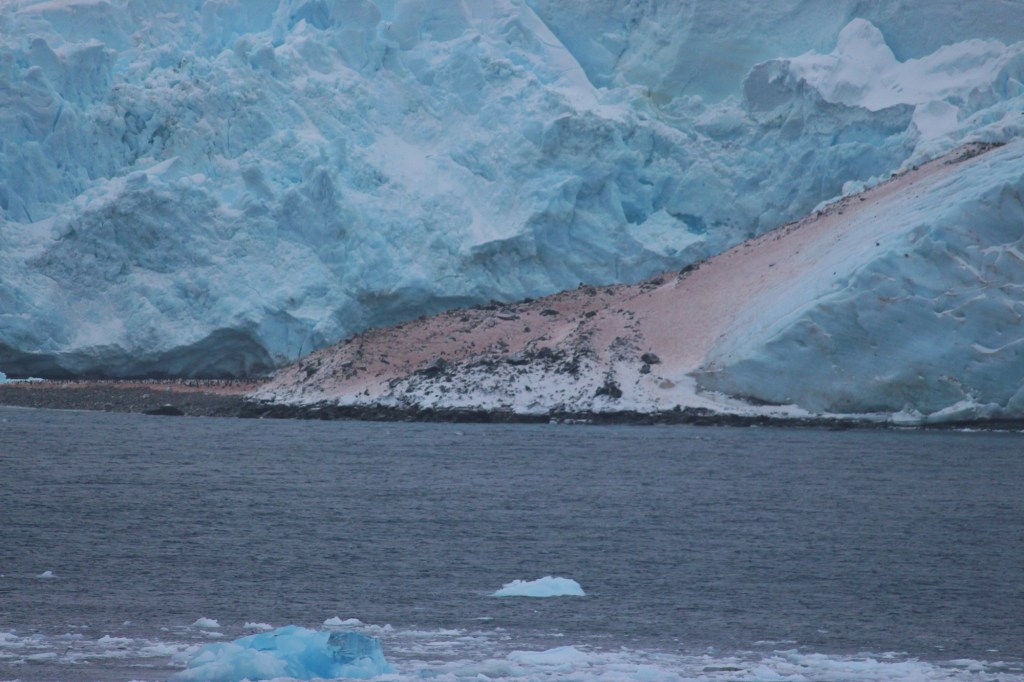
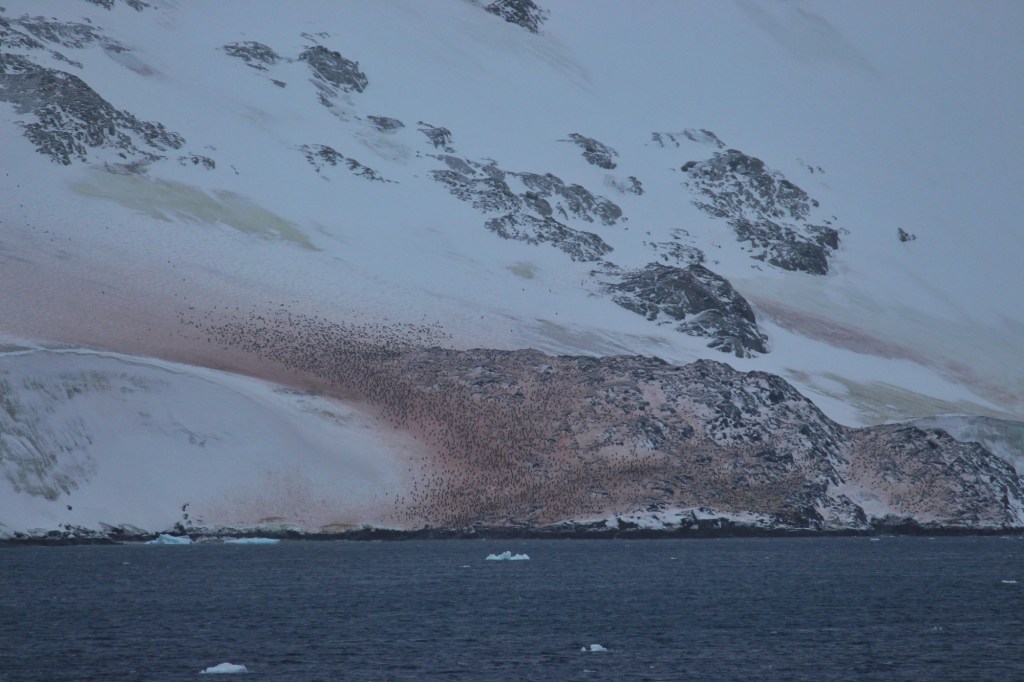
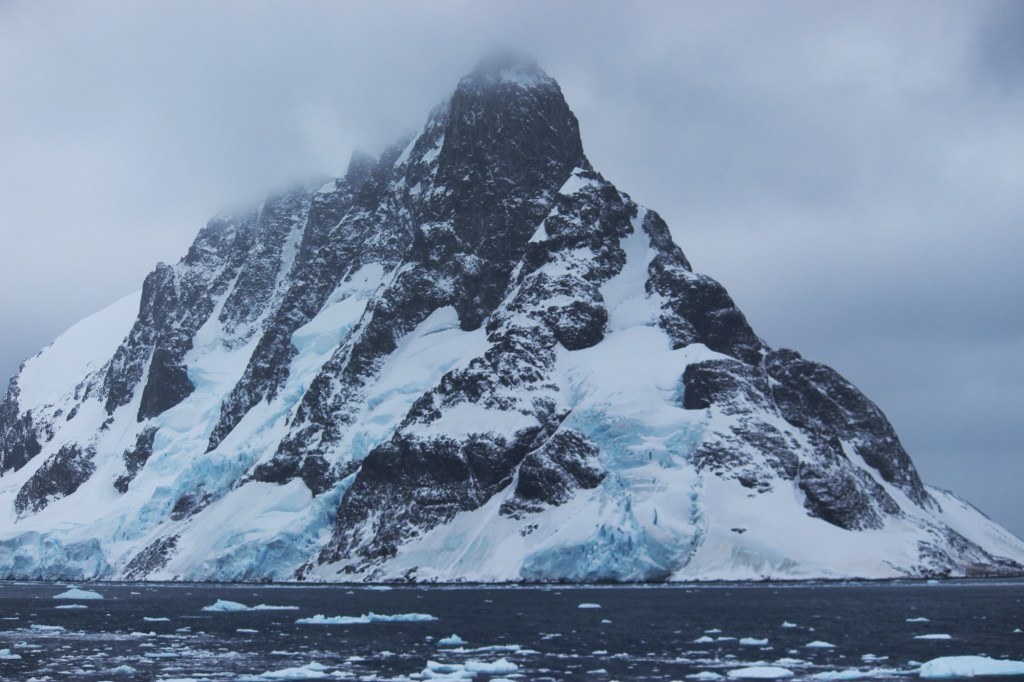
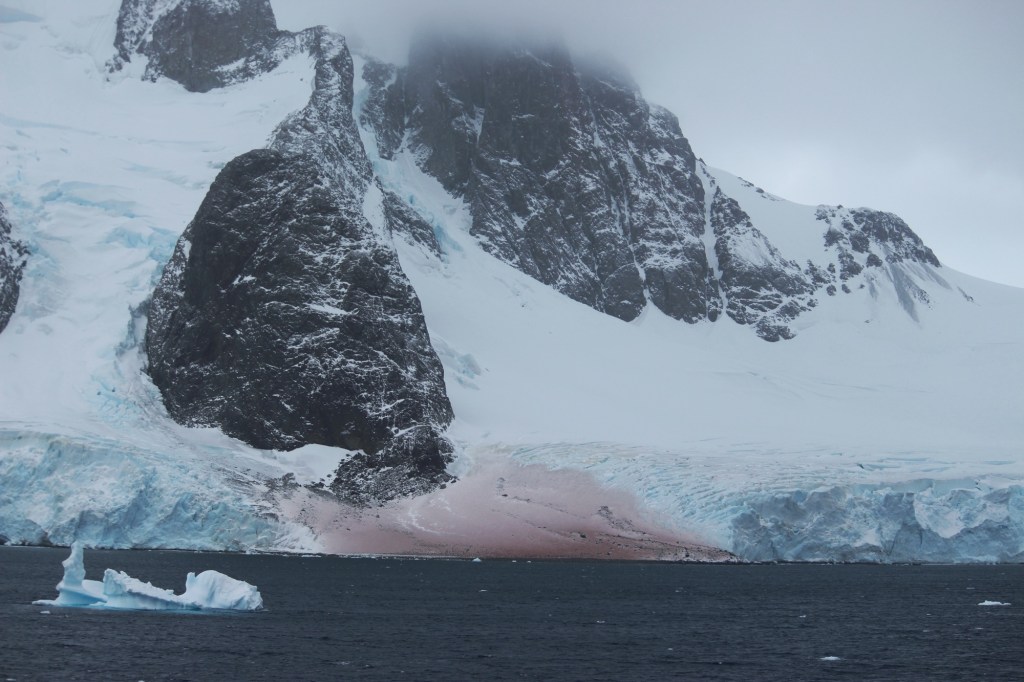
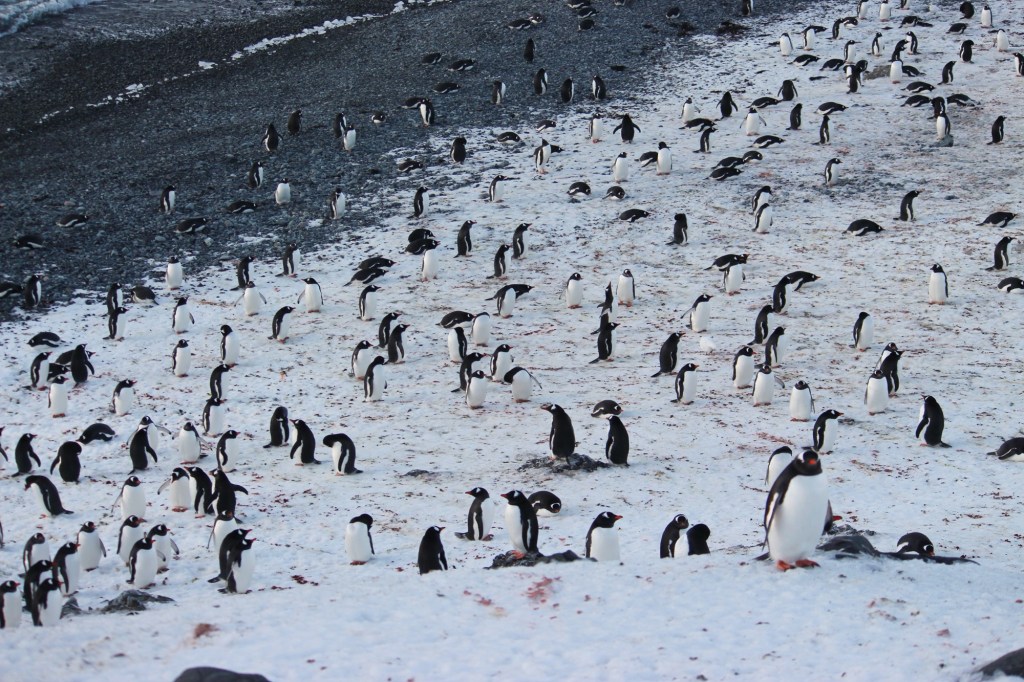
That evening we began the journey north, and moving up the outside of the Antarctic Peninsula, the boat did begin to roll, the first real signs of movement. By the morning we tucked back in between the islands to pass up through the Lemaire channel. This pass is at most a few hundred metres wide, and narrows to 100m at parts. The wildlife was abundant, with Humpback whales passing very close to the boat and Gentoo penguins diving and swimming through the water. The surrounding mountains continued to close in around the boat, the glaciers stopping abruptly to allow us through. That being said, the scale was impossible to grasp. Close to the end of the channel there was a patch of pink which I expected to be a small outcrop of rock, however looking through the binoculars, it revealed a huge colony of gentoo penguins in the thousands, the pink being the remains of a krill based diet!
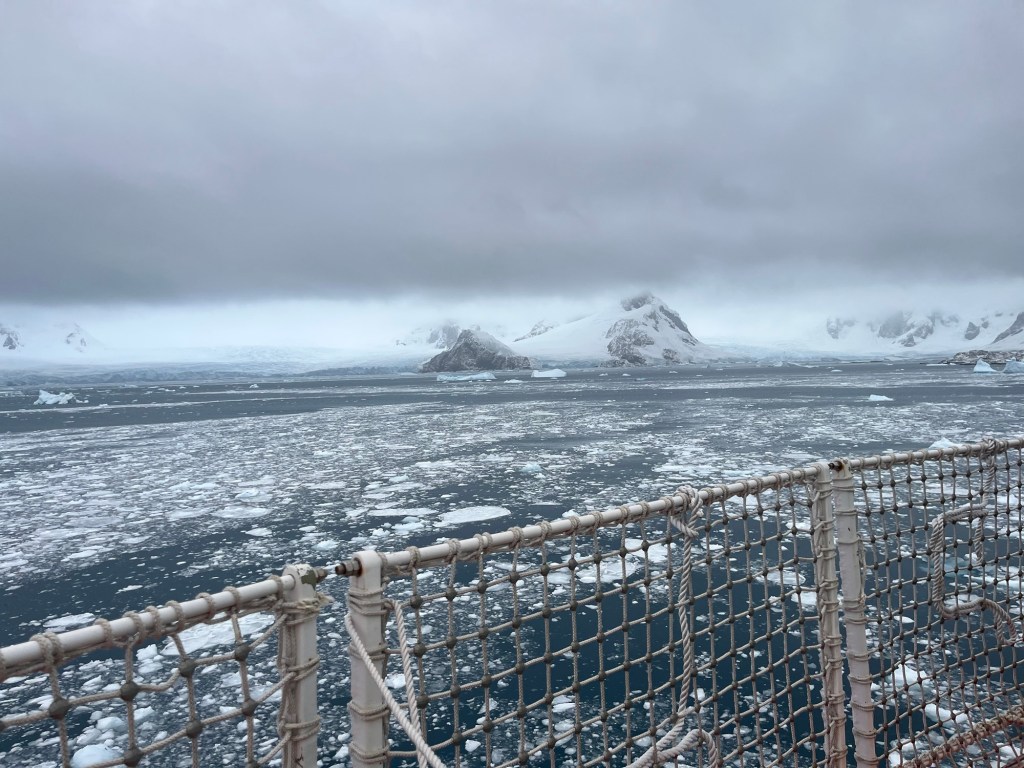
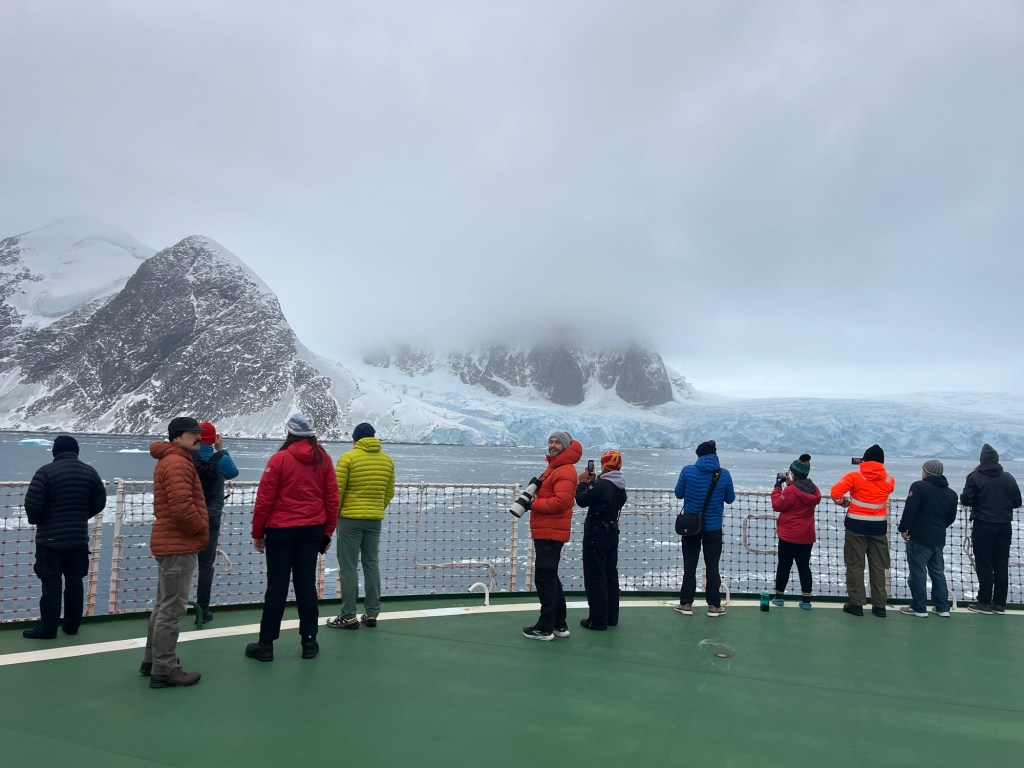
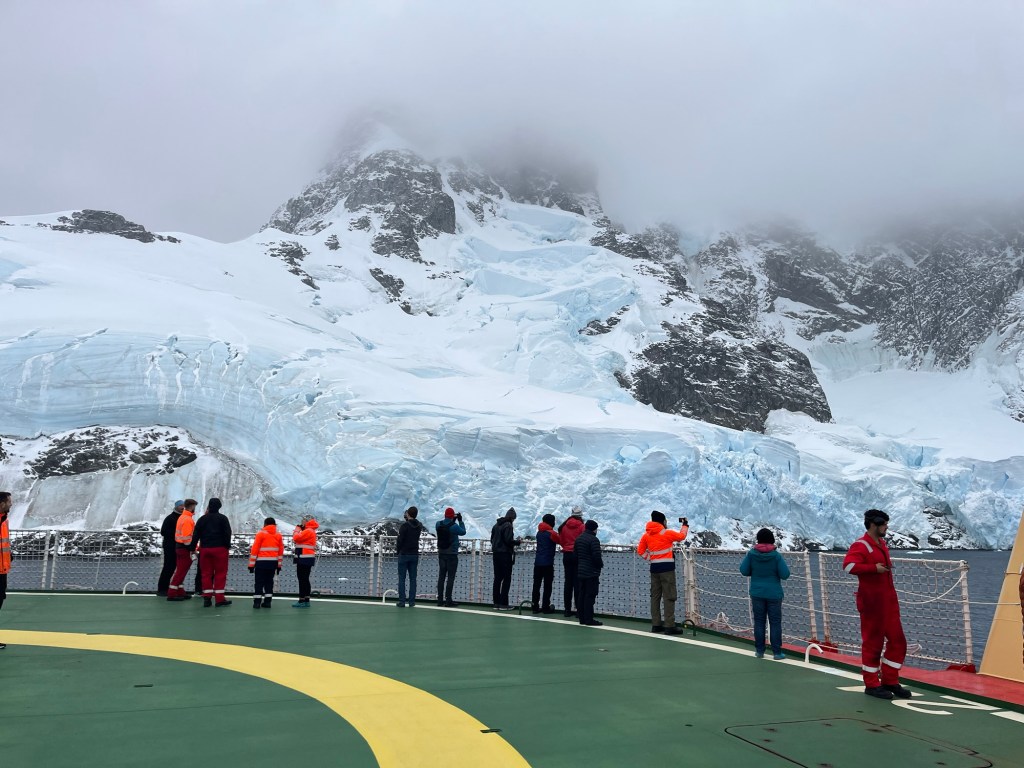
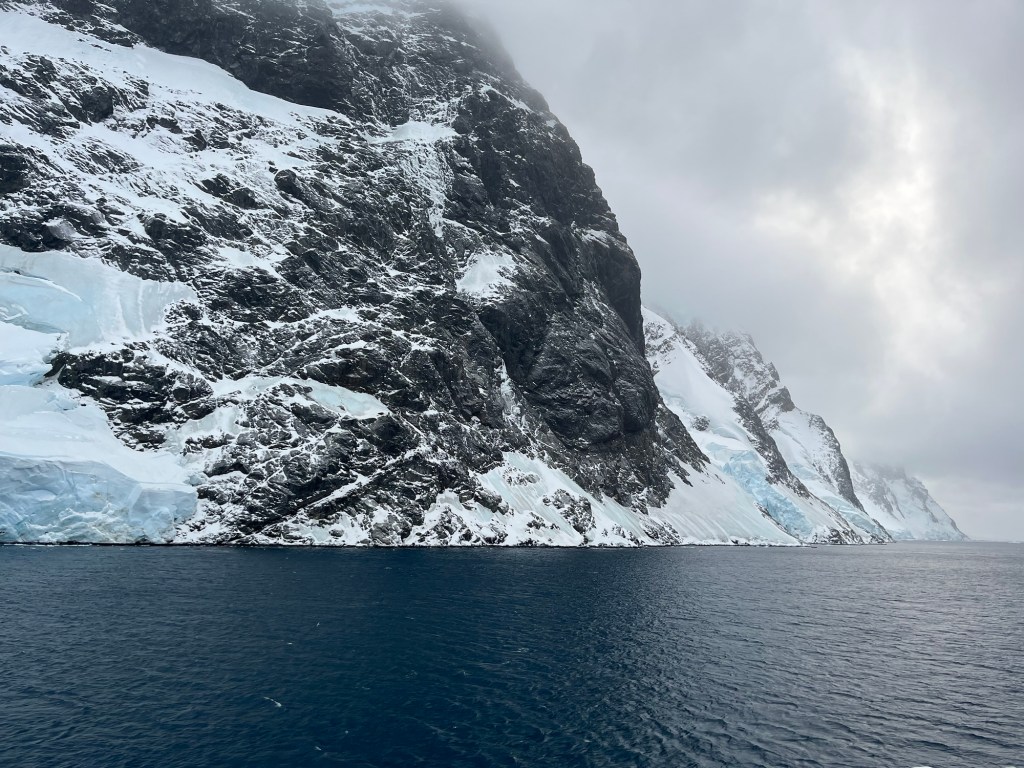
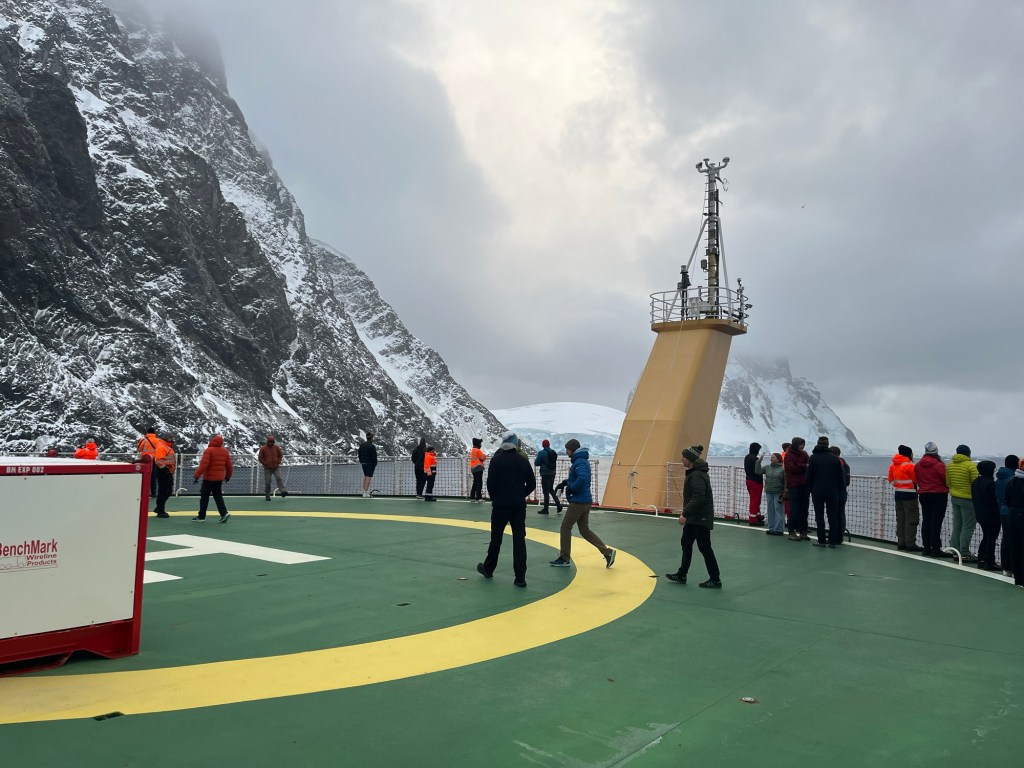
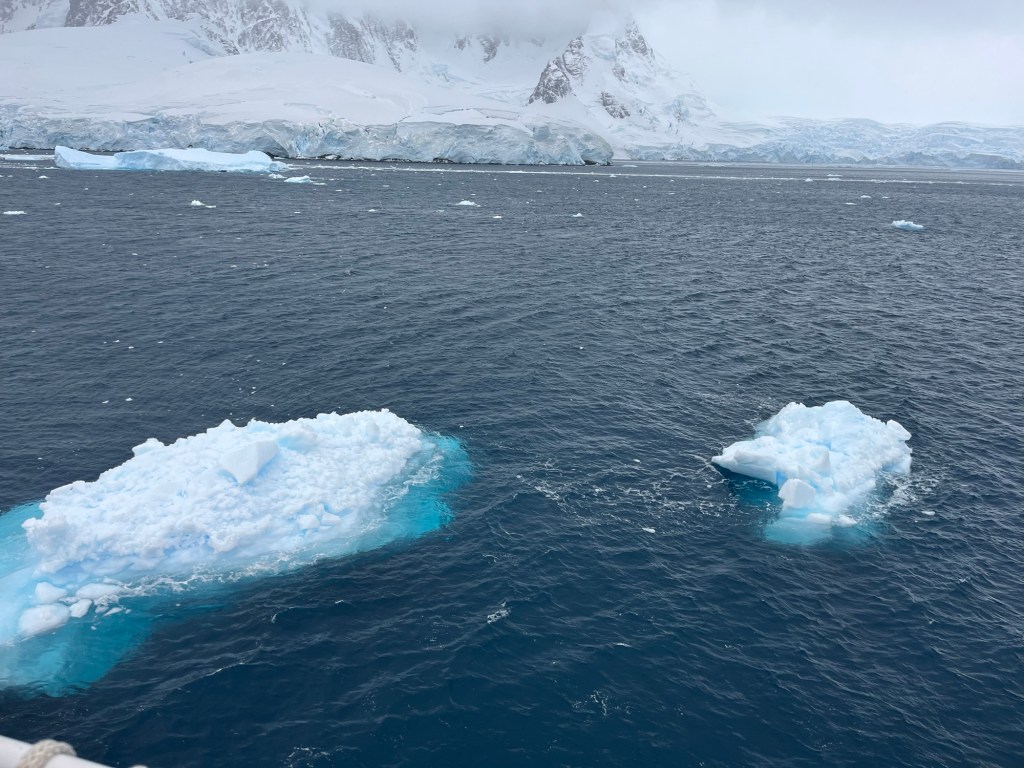
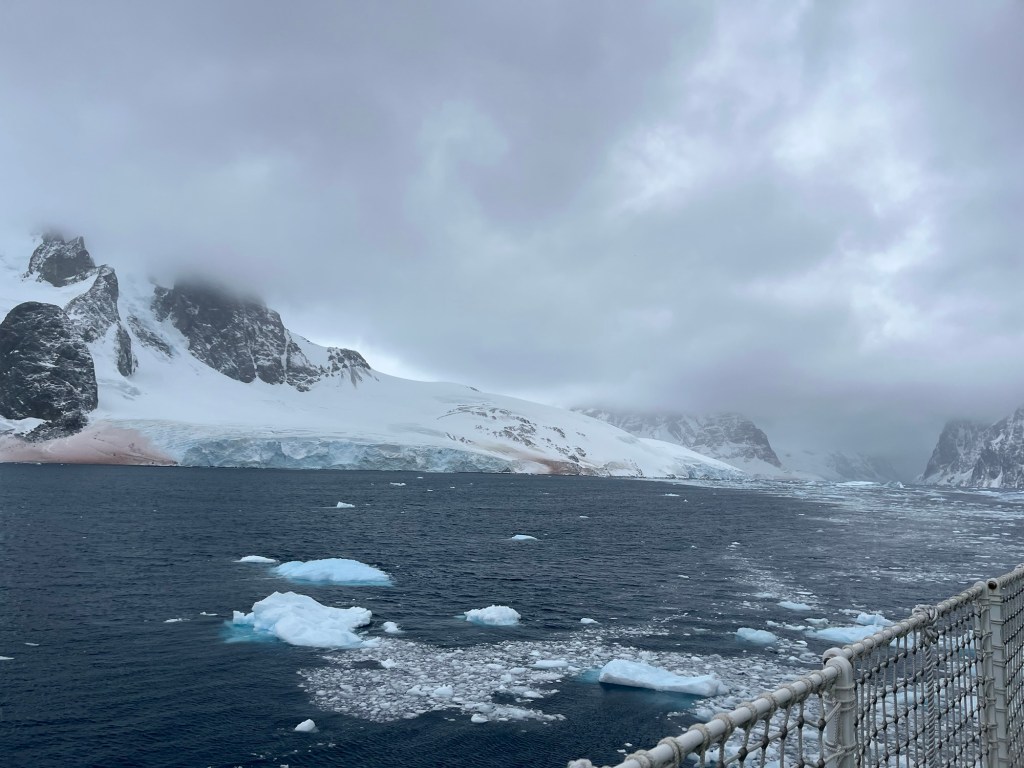
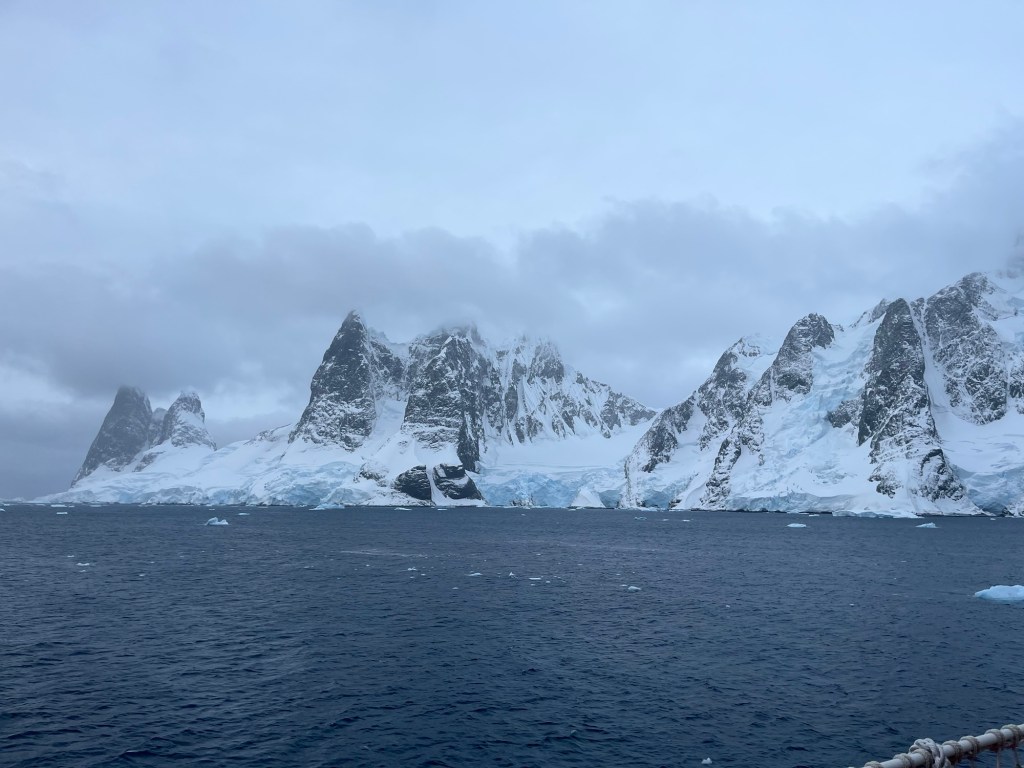
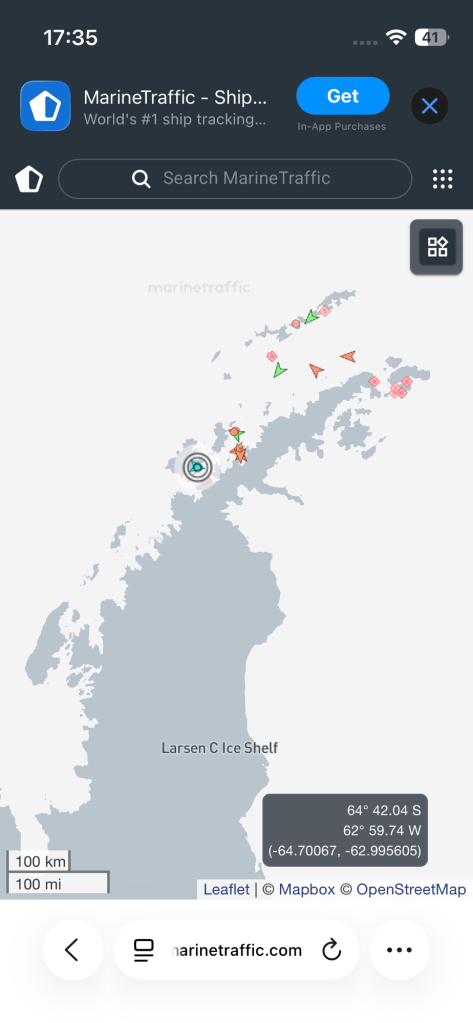
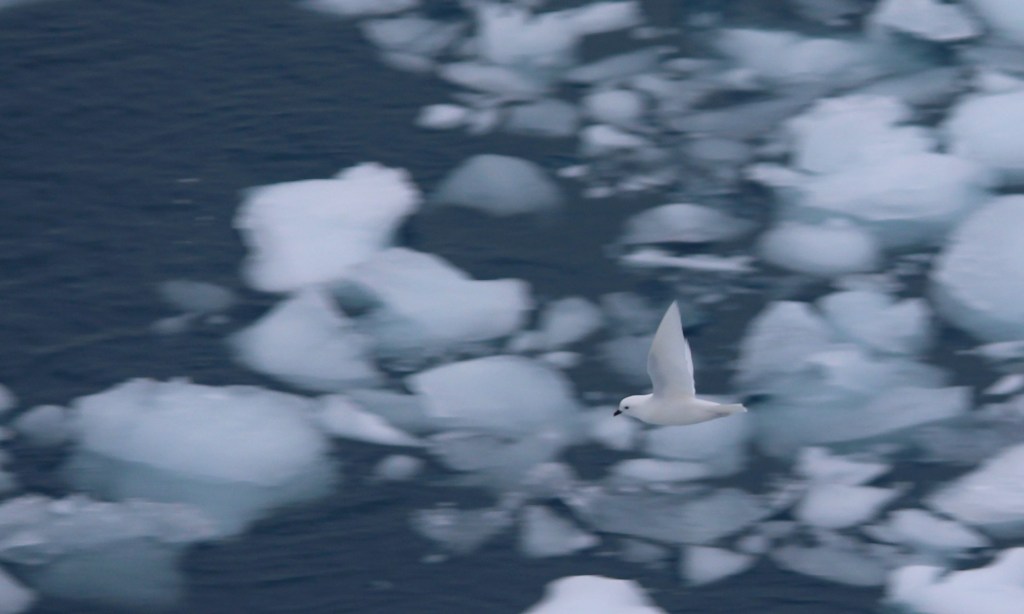
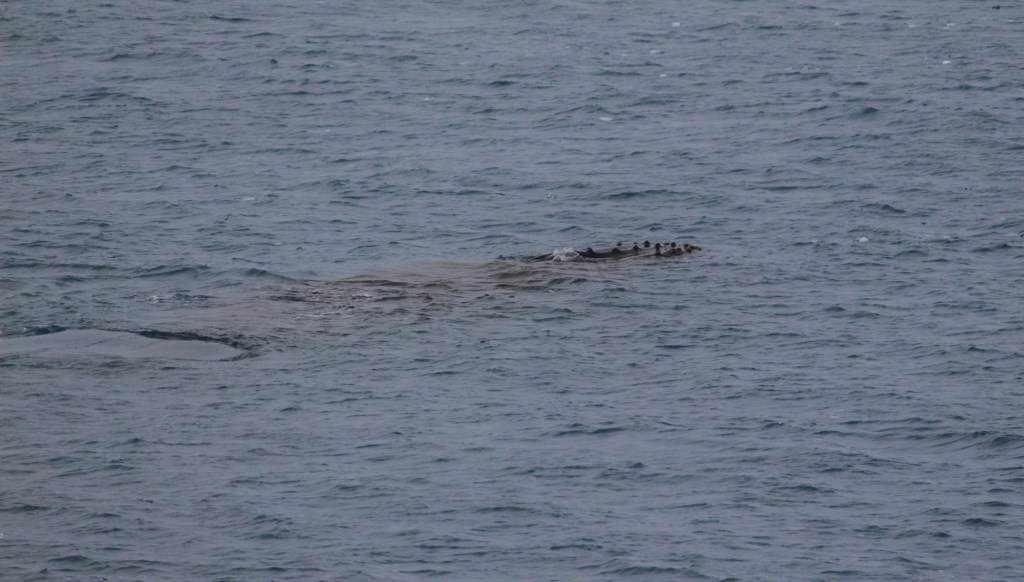
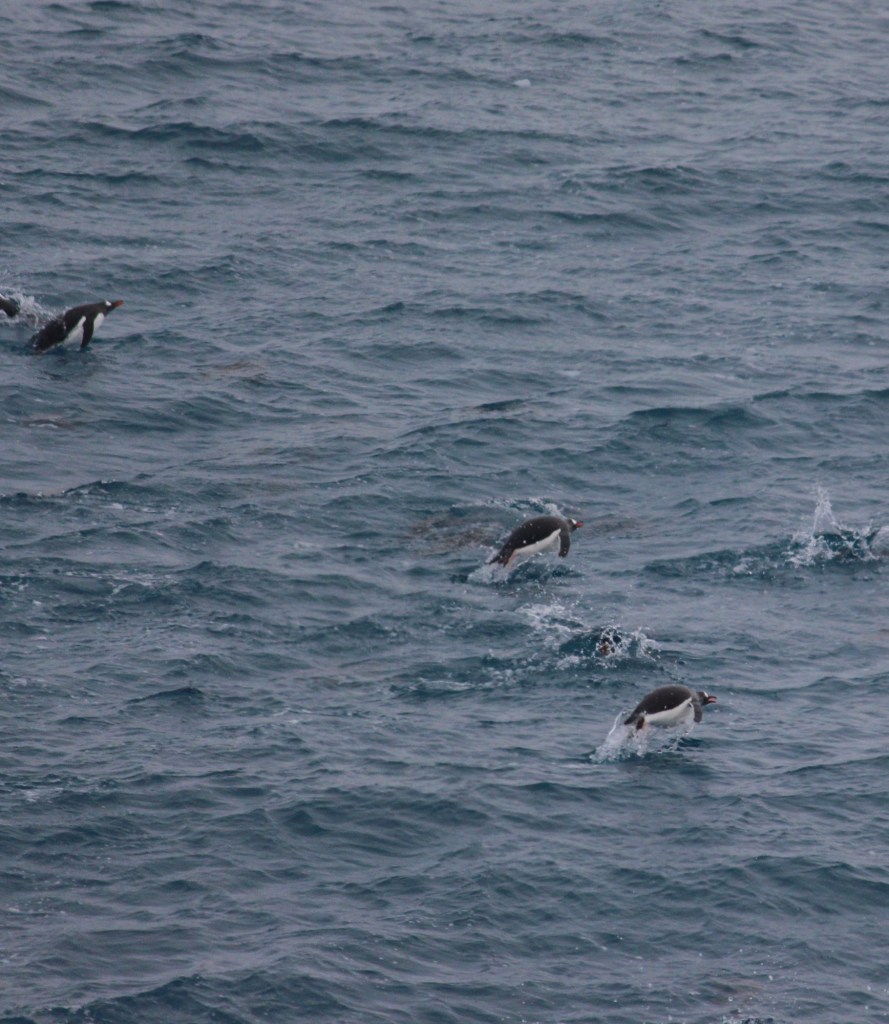
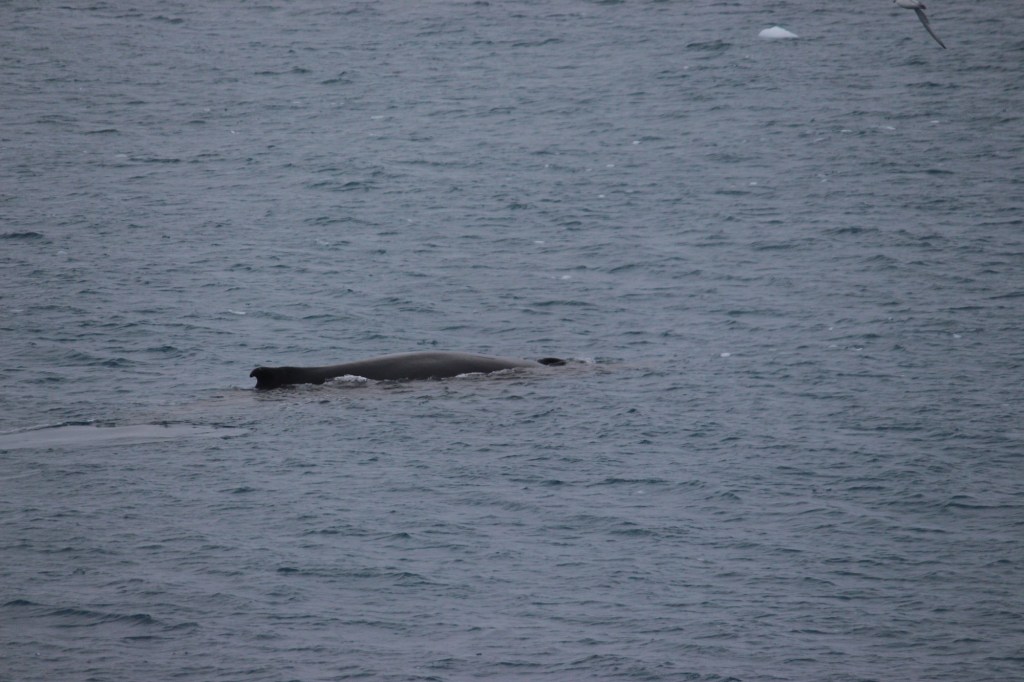
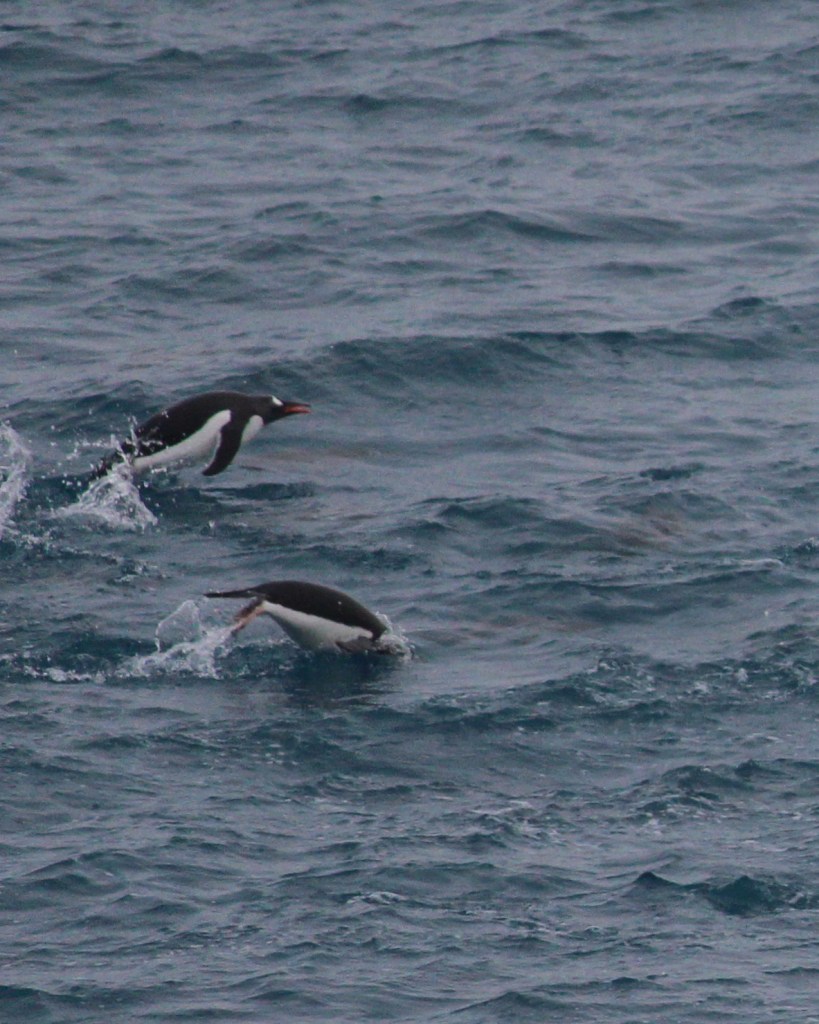
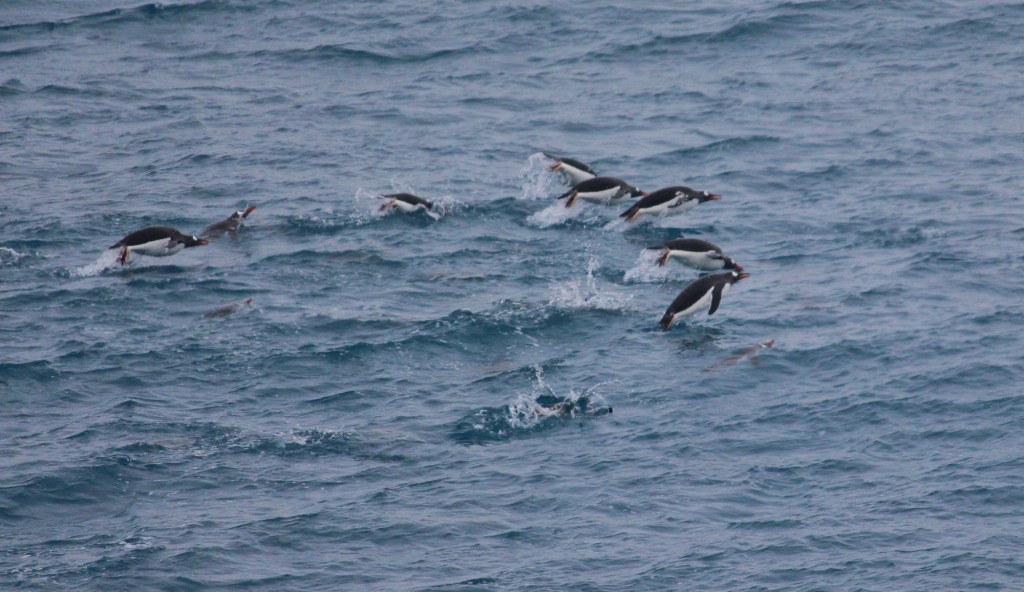
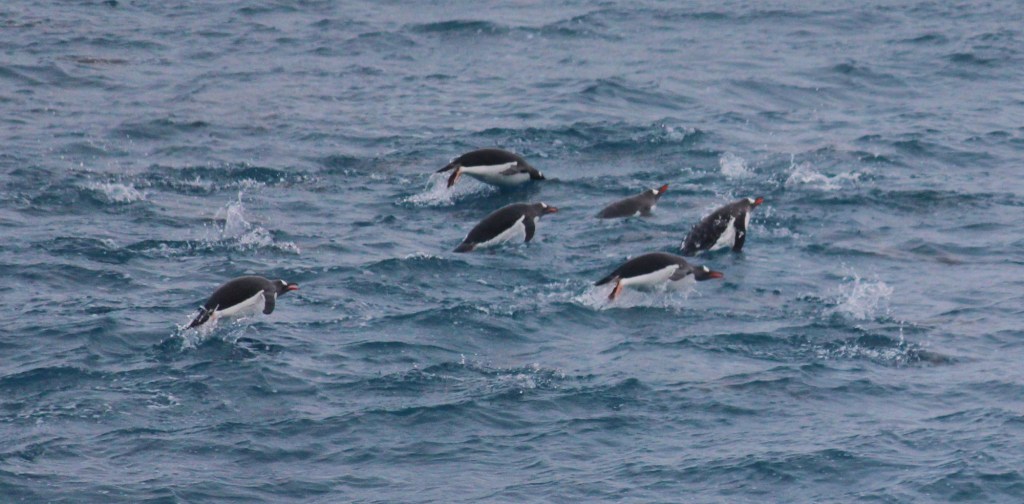
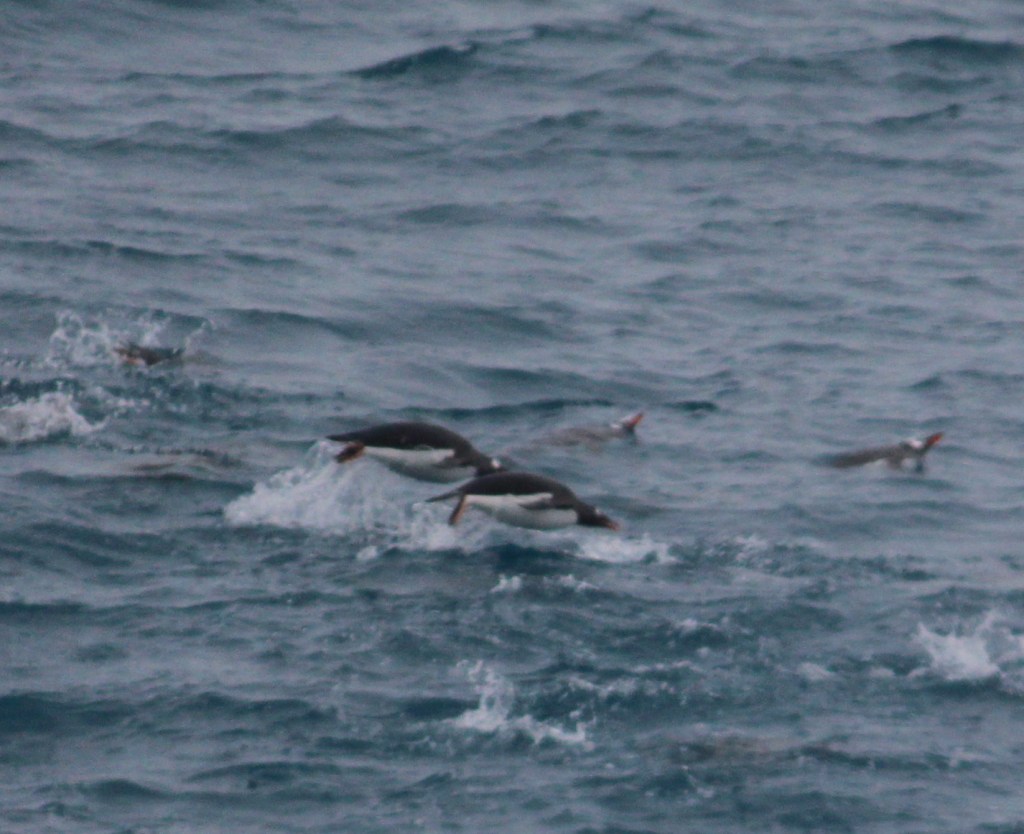
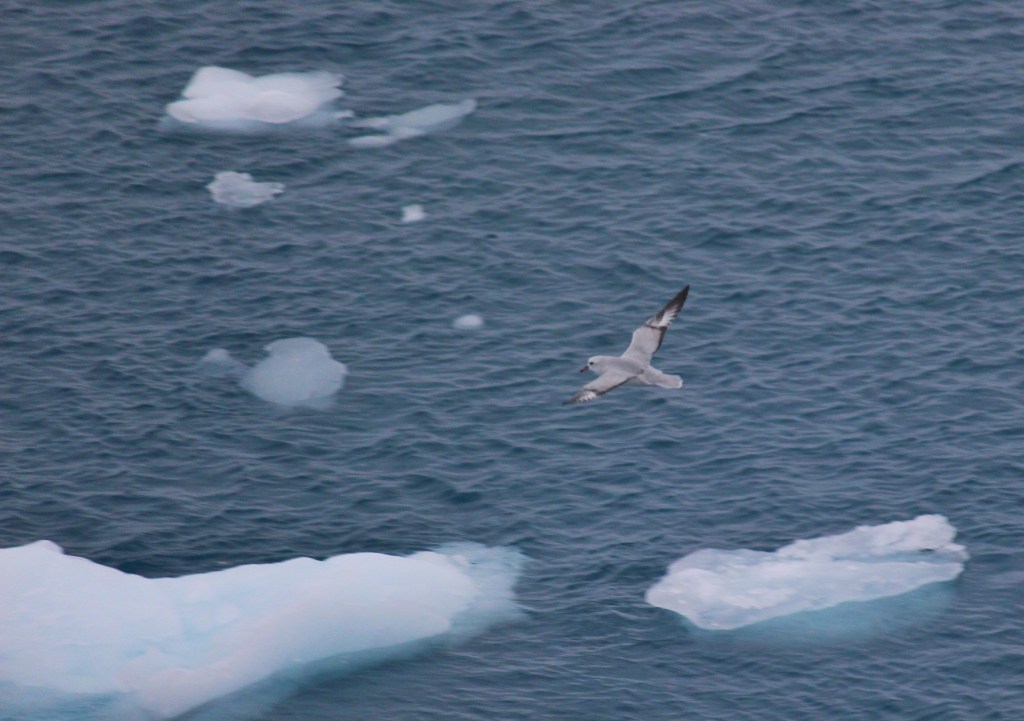
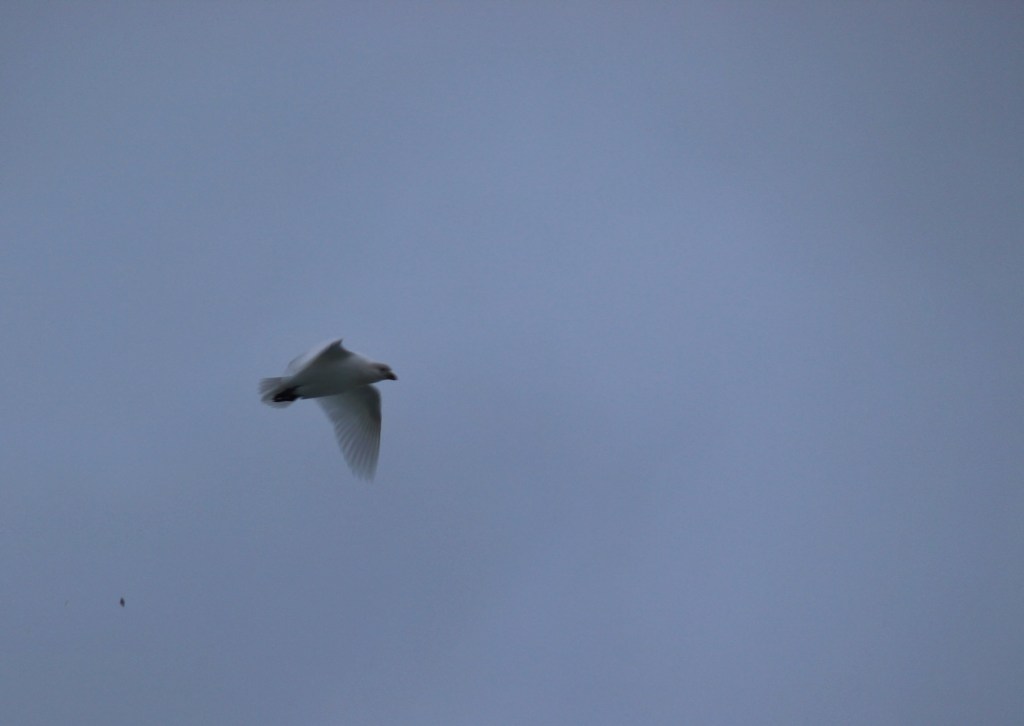
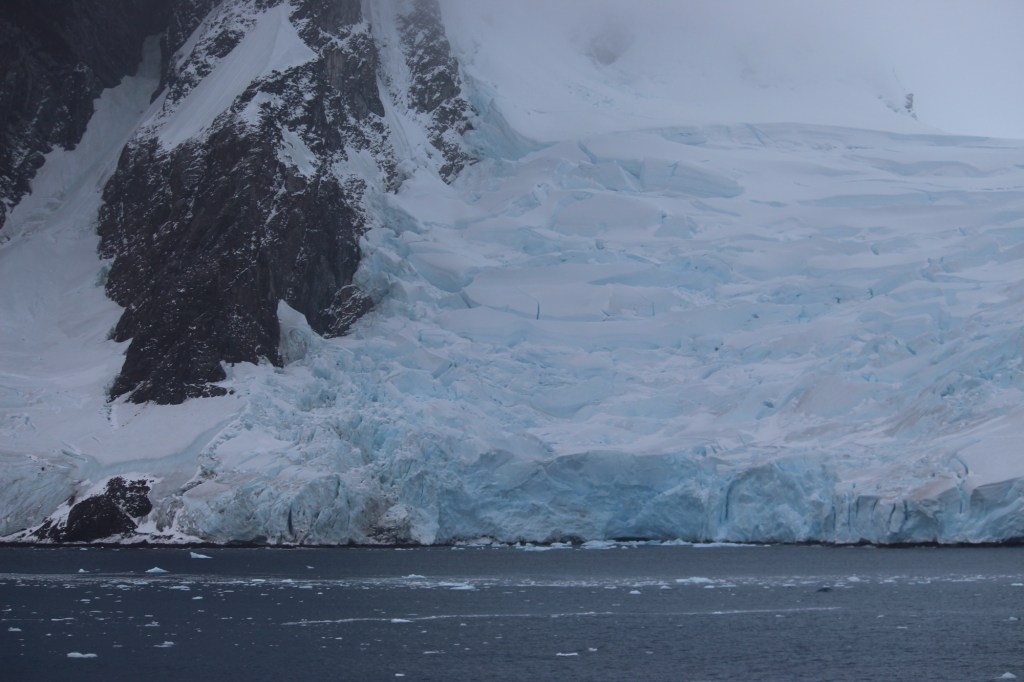
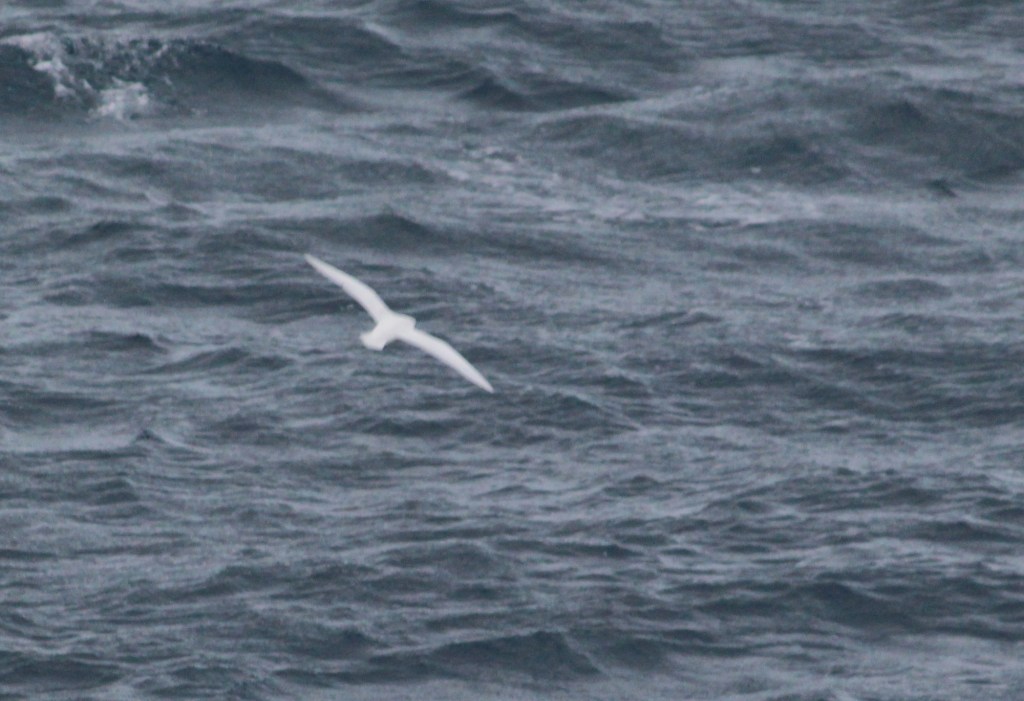
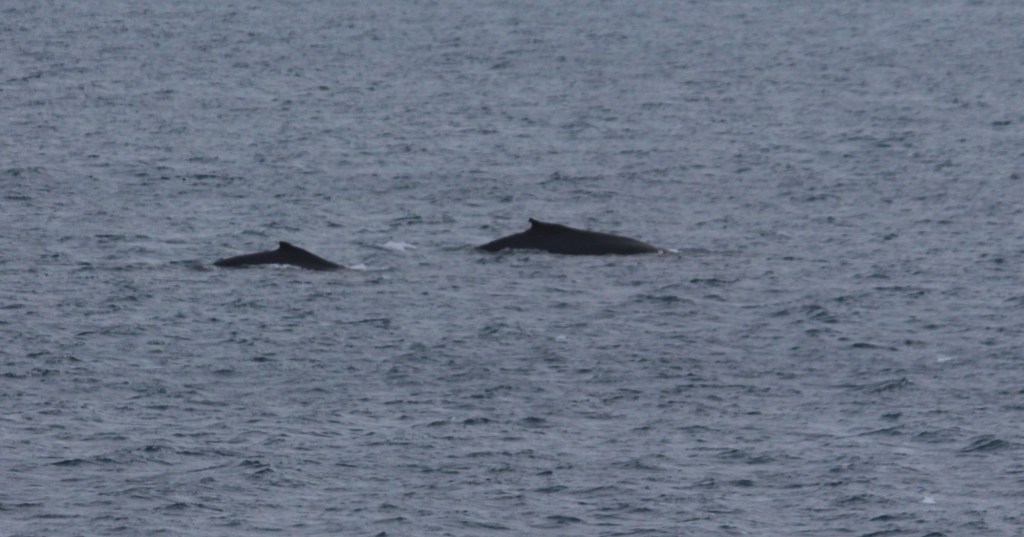
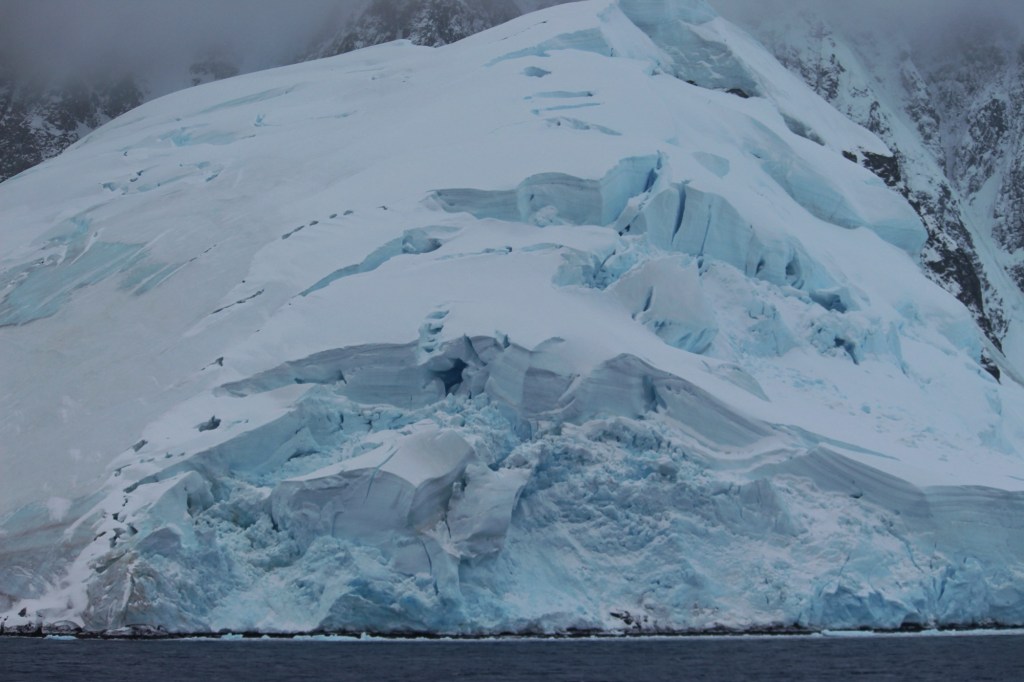
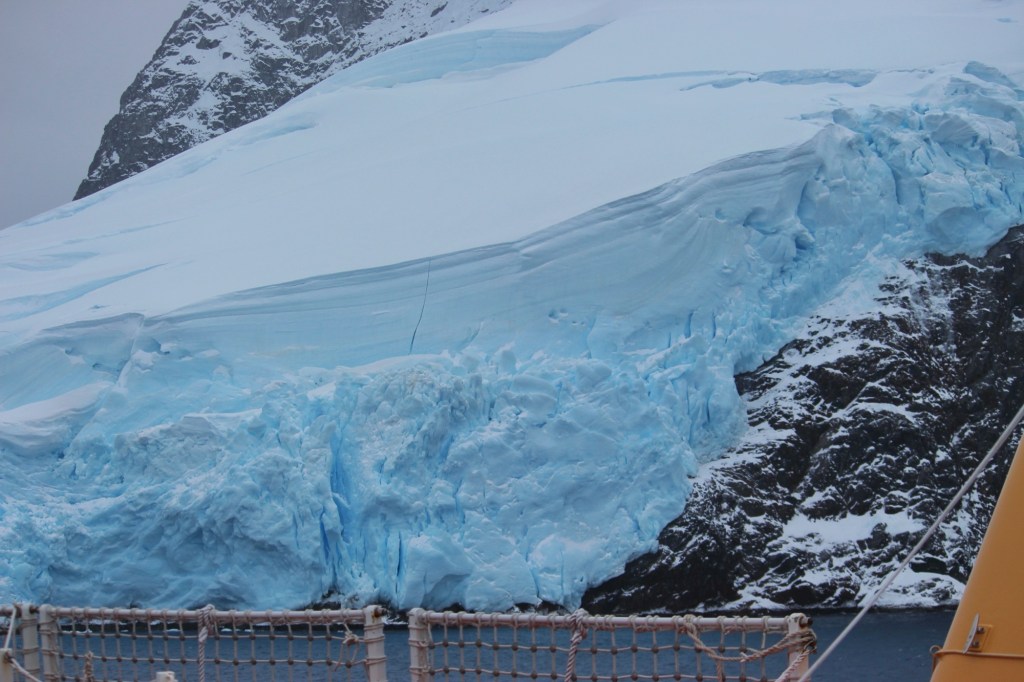
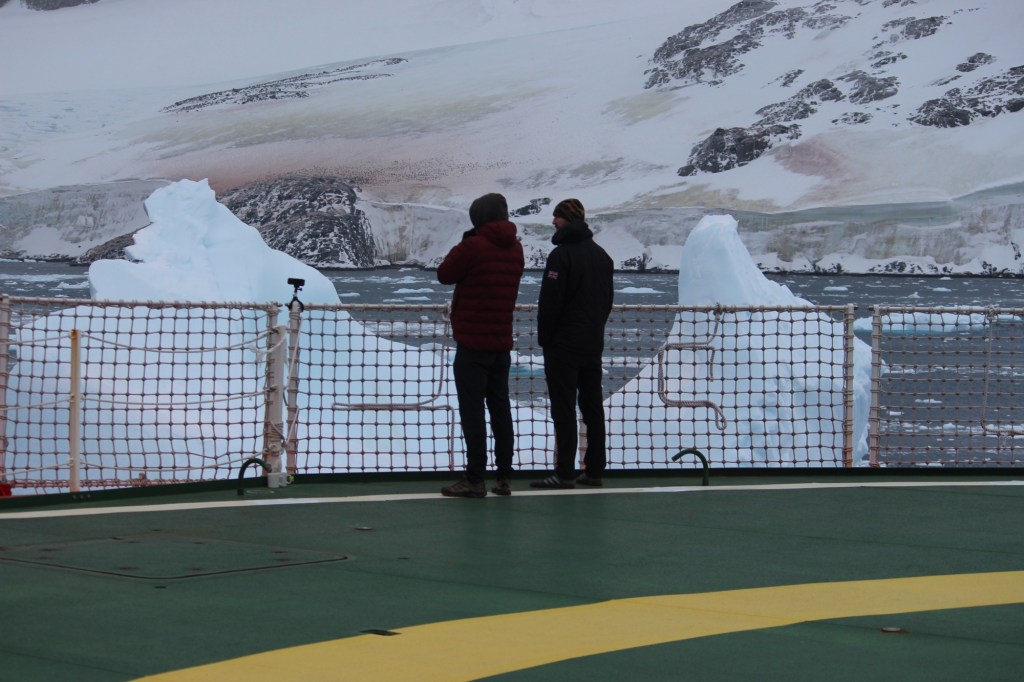
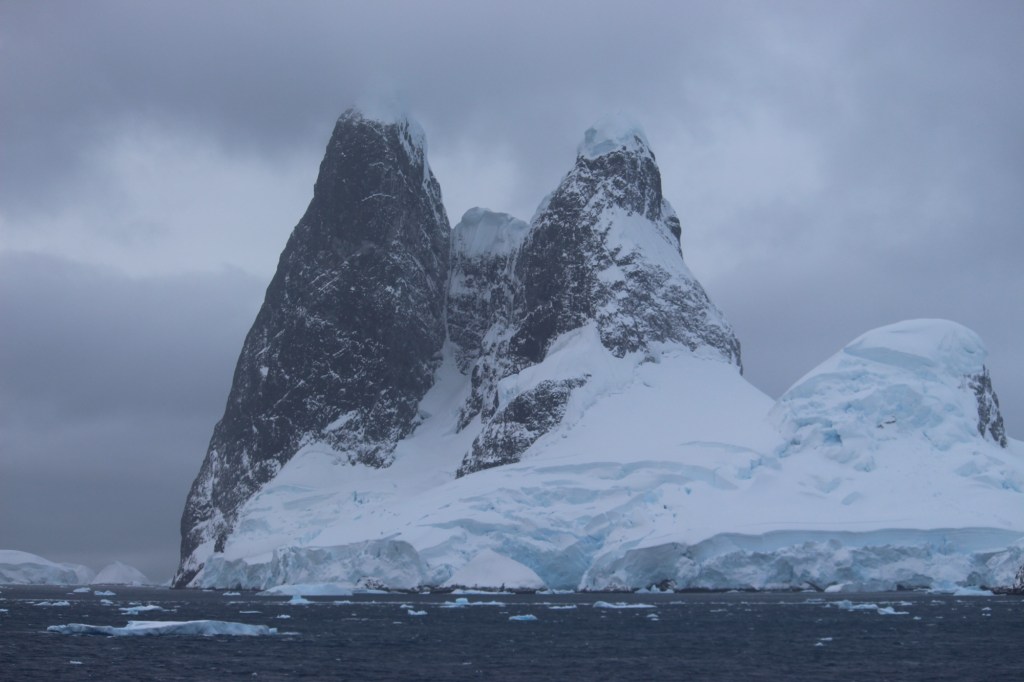
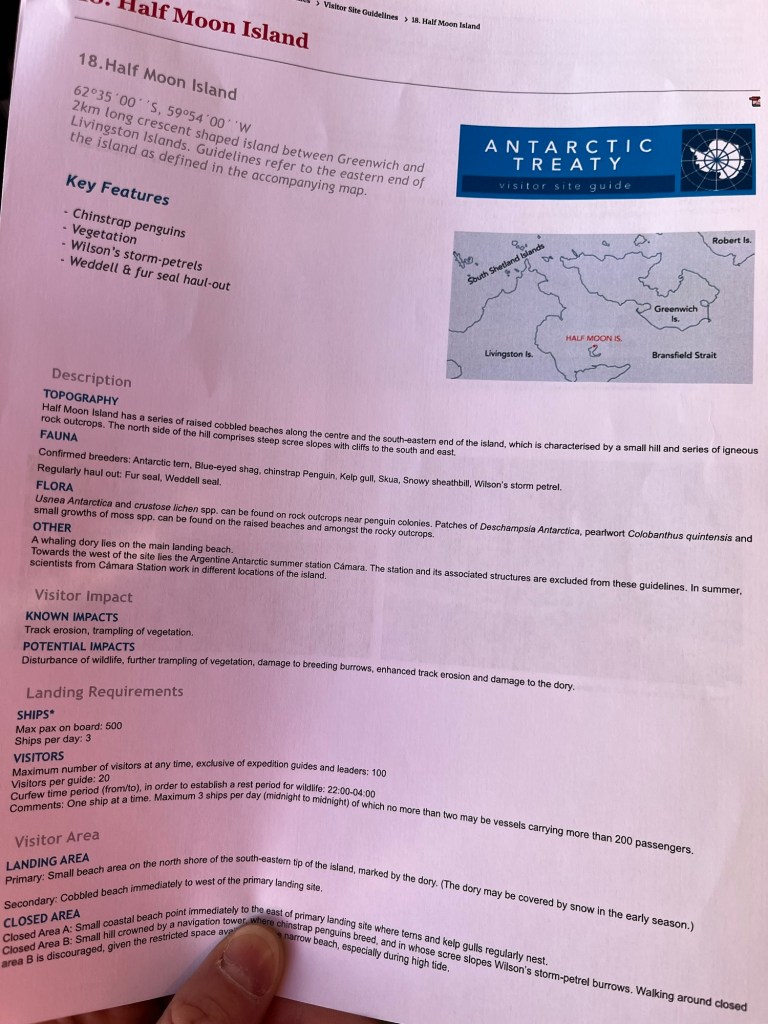
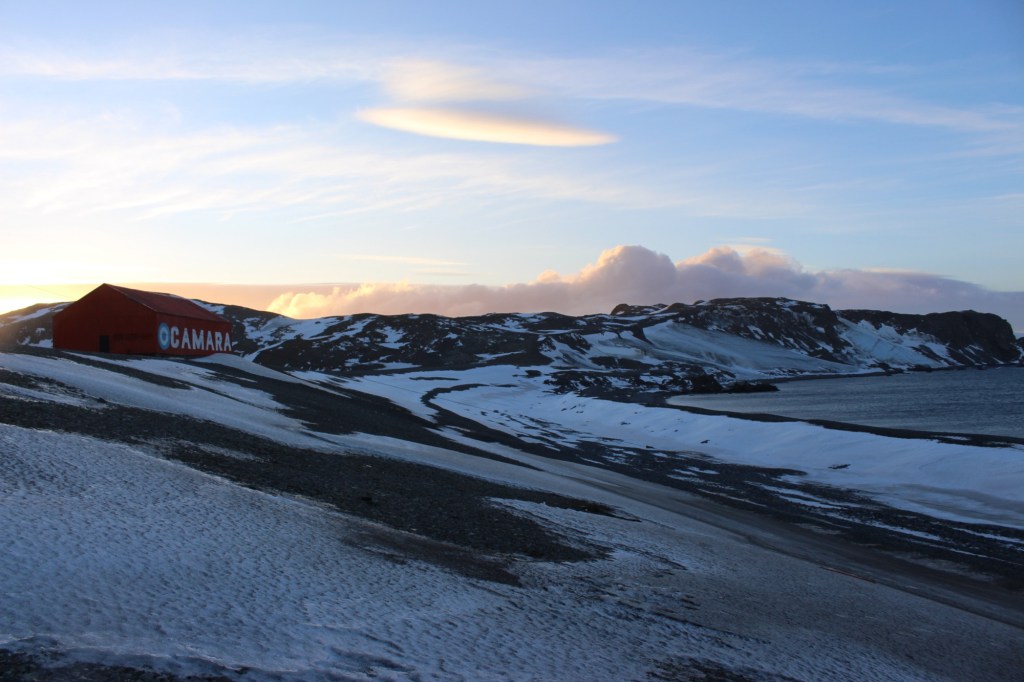
In the morning we moored up at Half Moon Island. The natural beauty of this small island, surrounded on every side by huge glaciers was astonishing. It was so calm I couldn’t imagine it experiencing wind, but luckily by the afternoon the weather clarified that wind was indeed a big presence here. On the island was the Argentinian base, Camara, one of 11 Argentinian bases in Antarctica. It is only operated in summer and has a crew of 30 people.
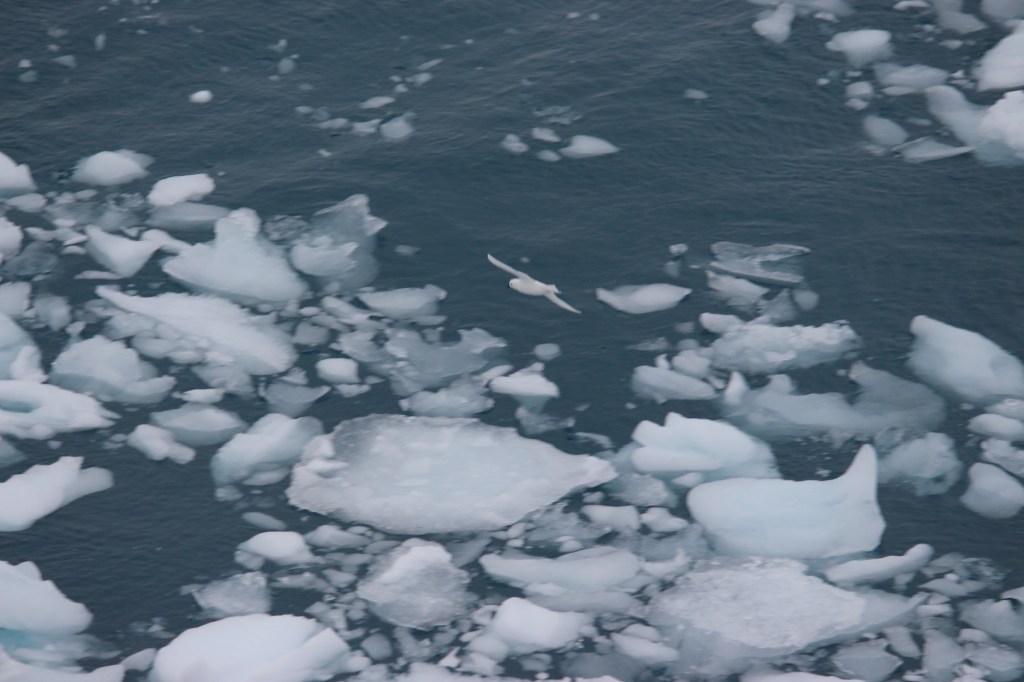
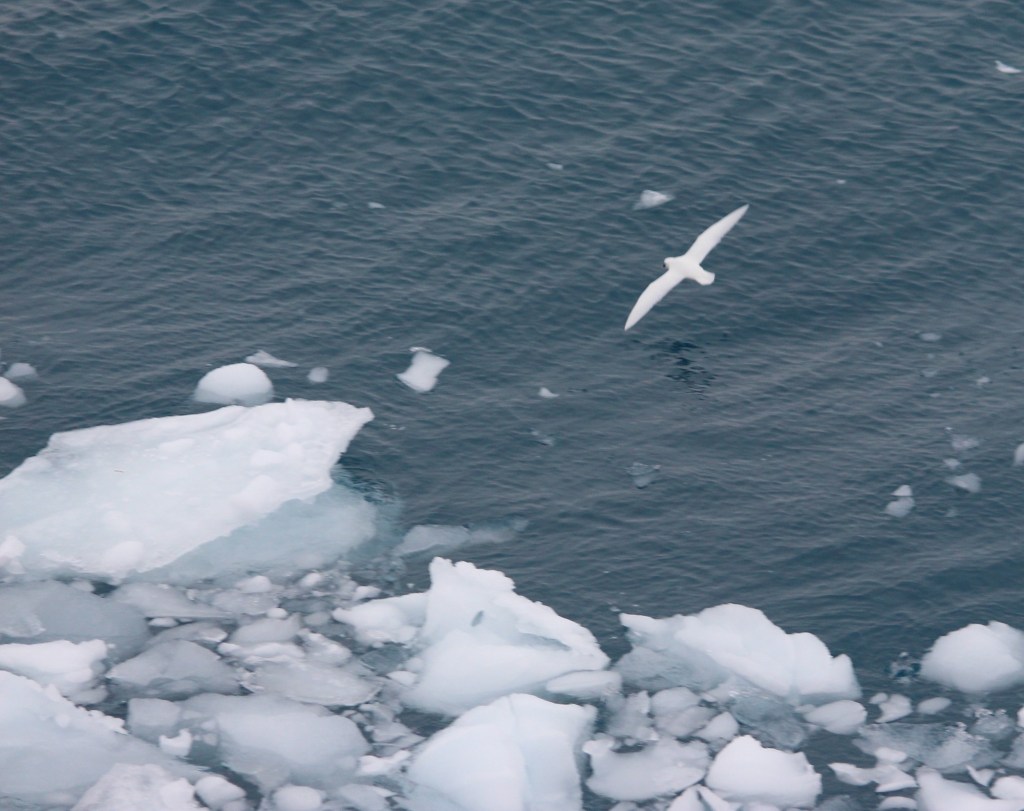
The crew did training on the lifeboat, launching and circulating the iceburgs. This really added a different perspective to seeing it on deck.
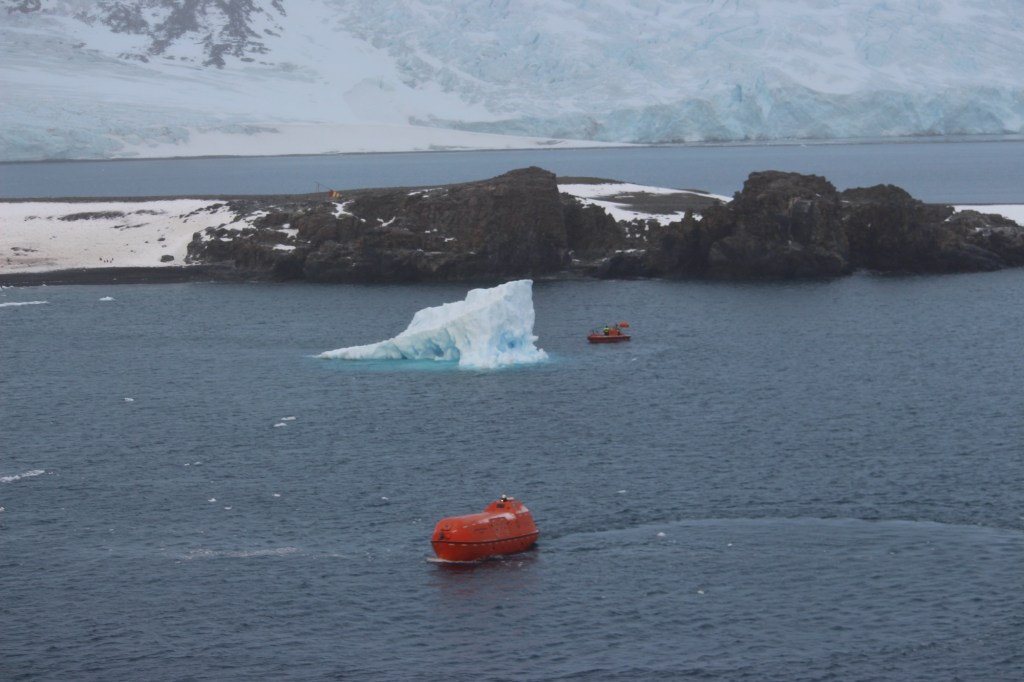
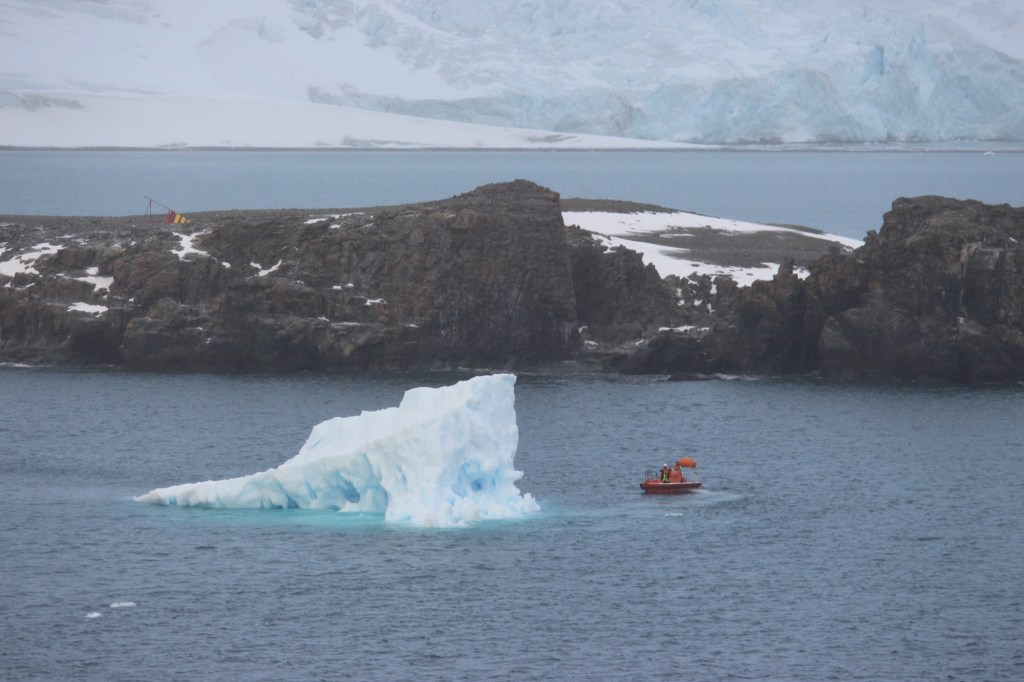
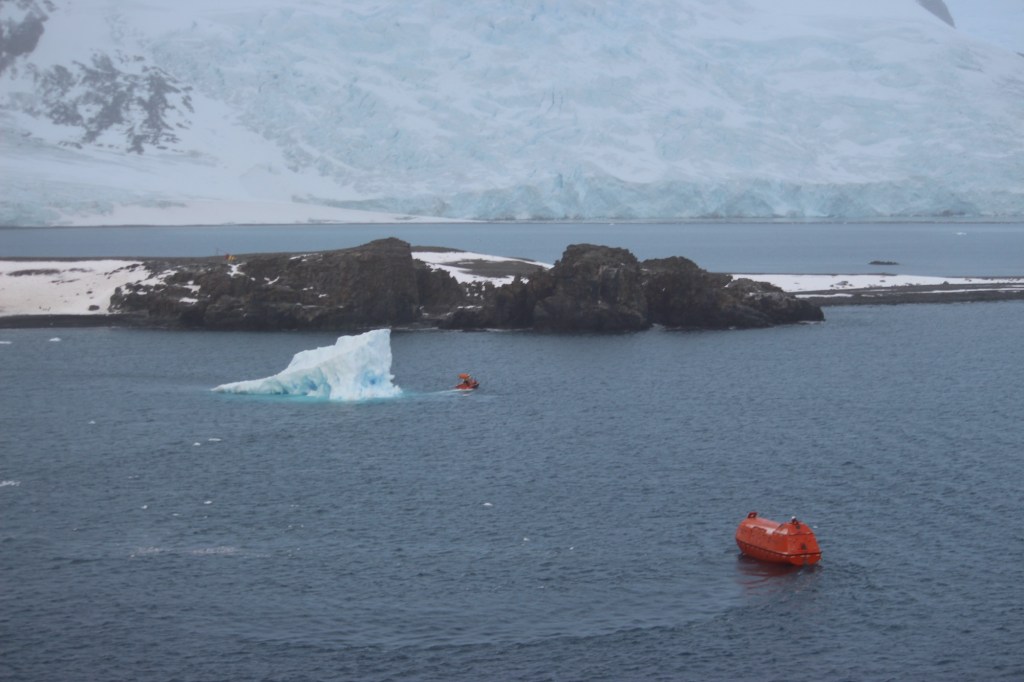
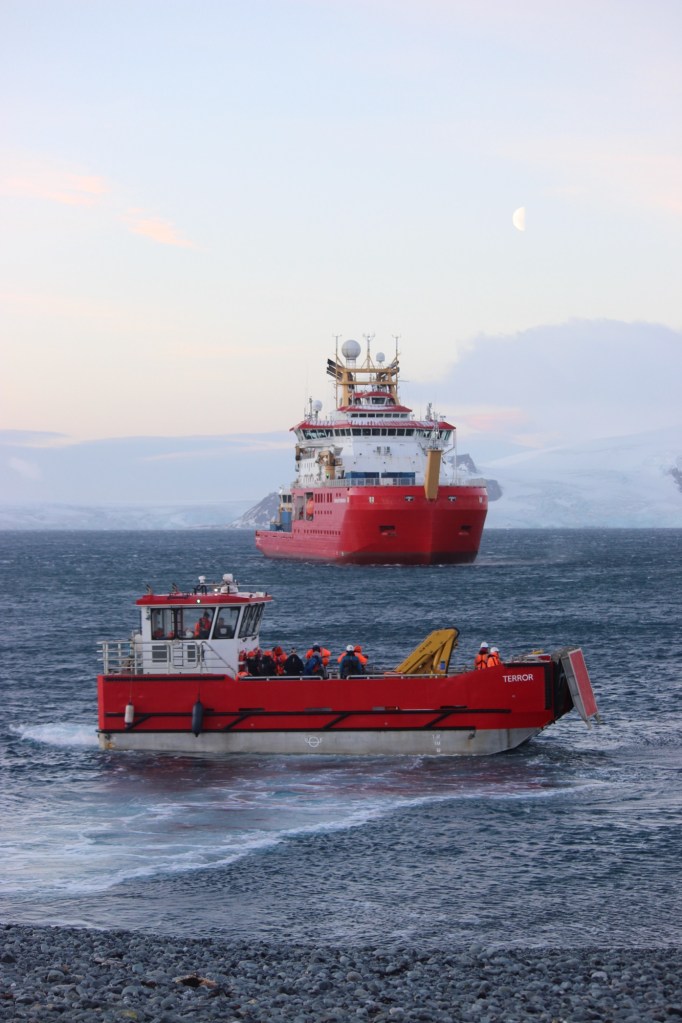
After lunch, all passengers and crew were on deck vying to get off to Half Moon Island. The crew lowered Terror into the water, and in groups of 15 we were taken to the rocky shores. The wind really was astonishingly strong, but the island was magnificent. It is home to many moss and lichen species, and even Antarctic Hair Grass (Deschampsia antarctica).
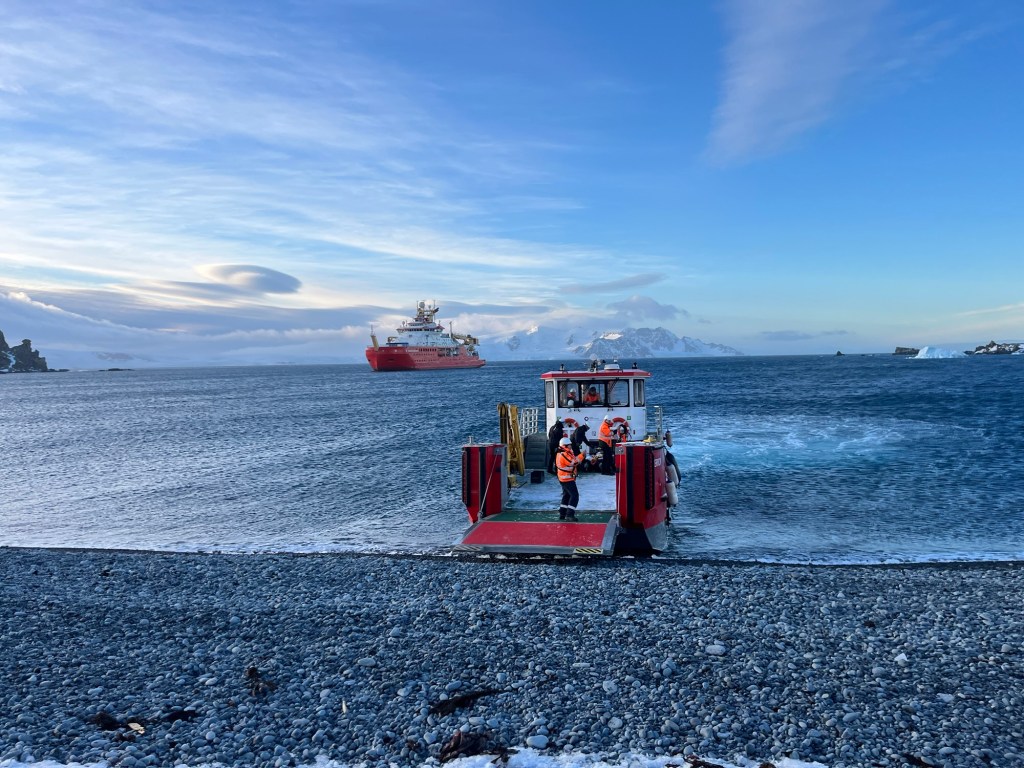
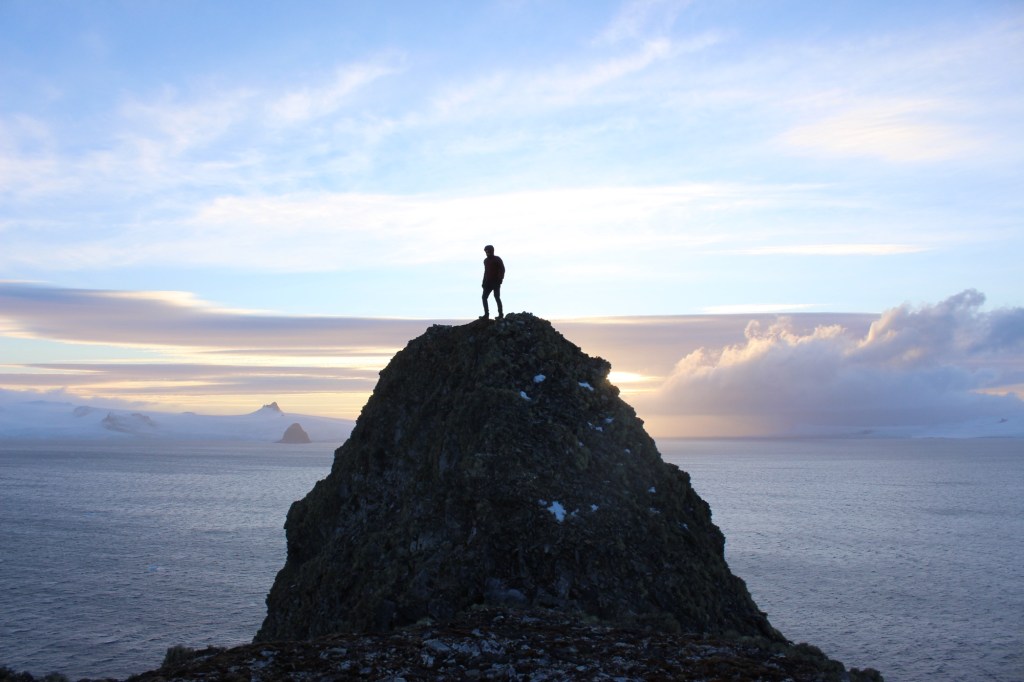
We climbed up the peak which forked into interesting formations and revealed more sides to the island.
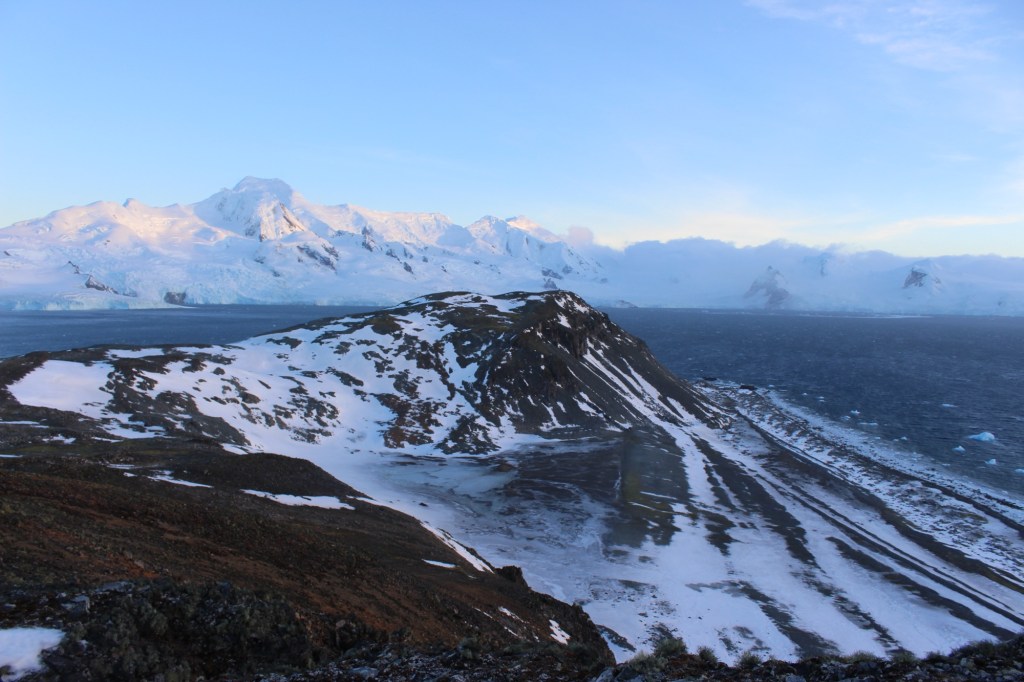
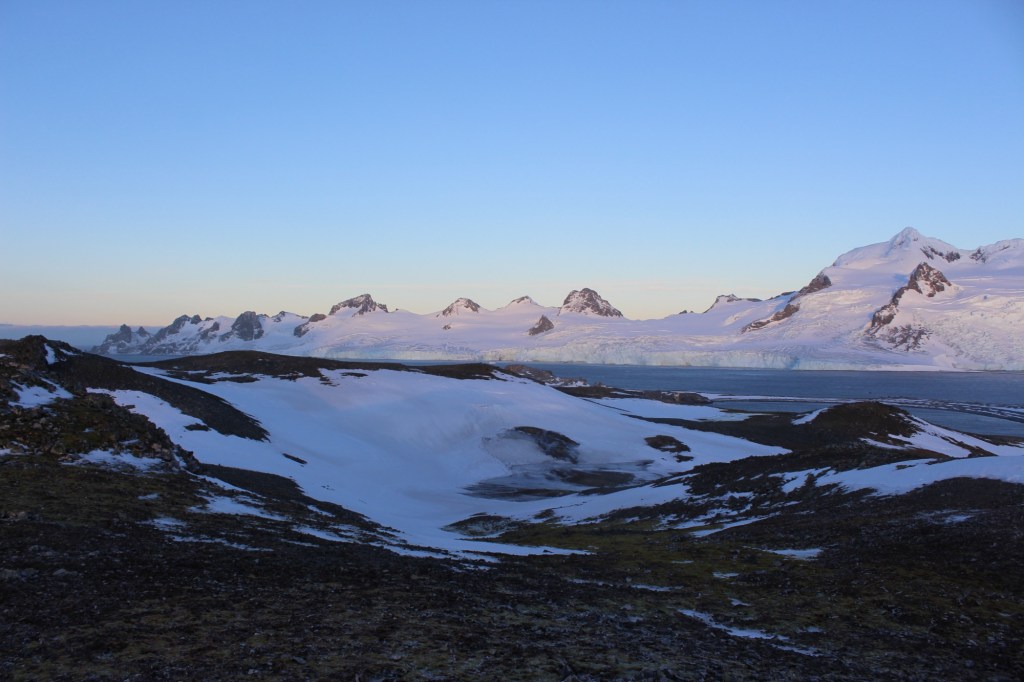
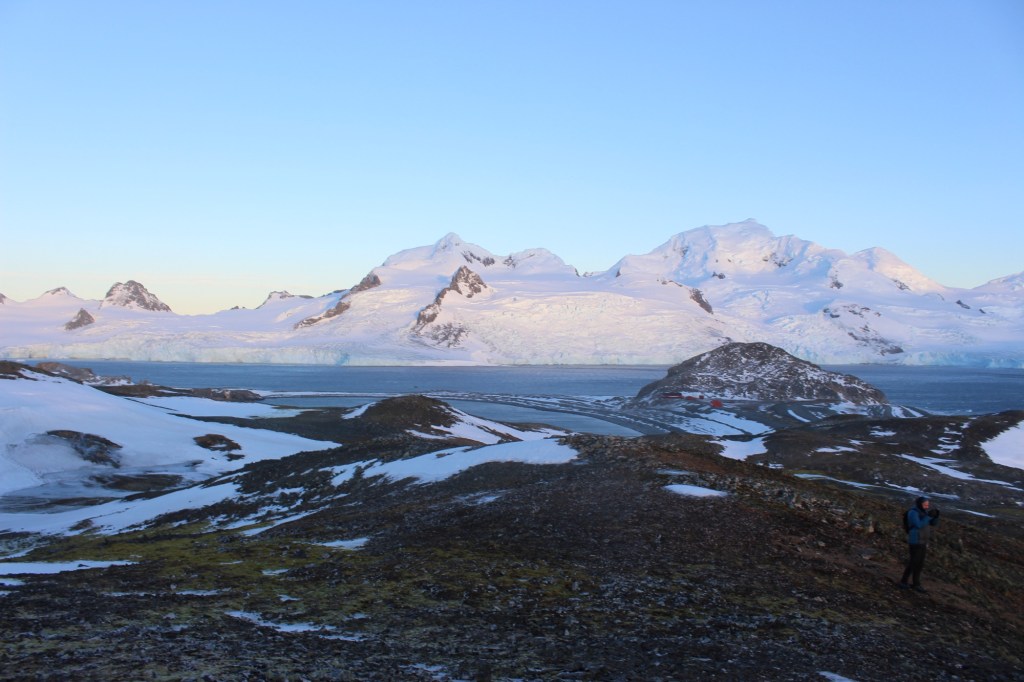
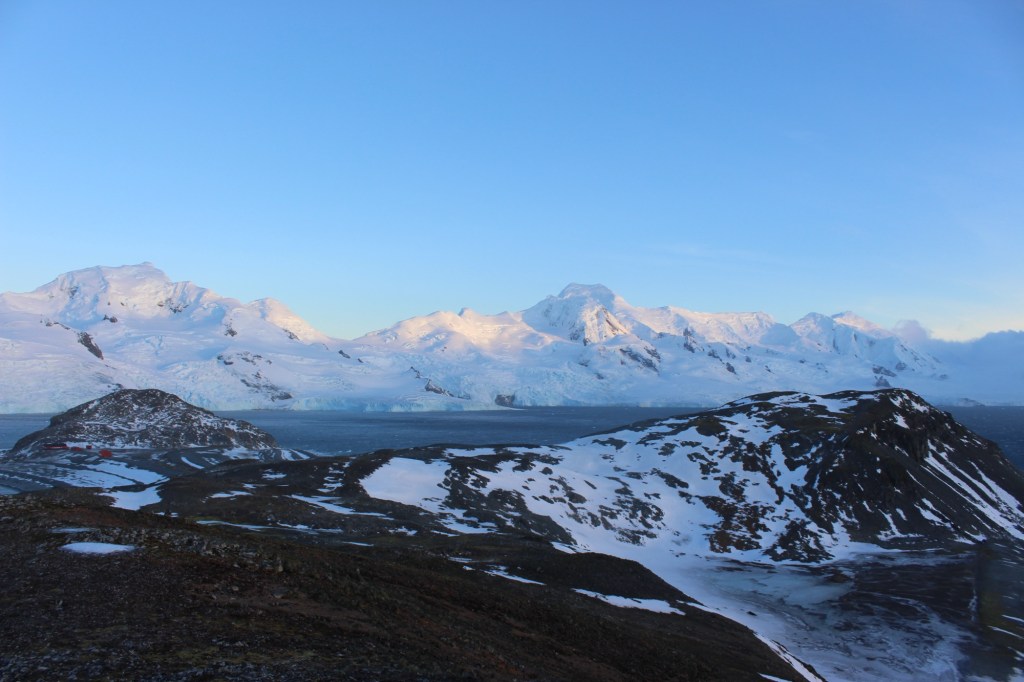
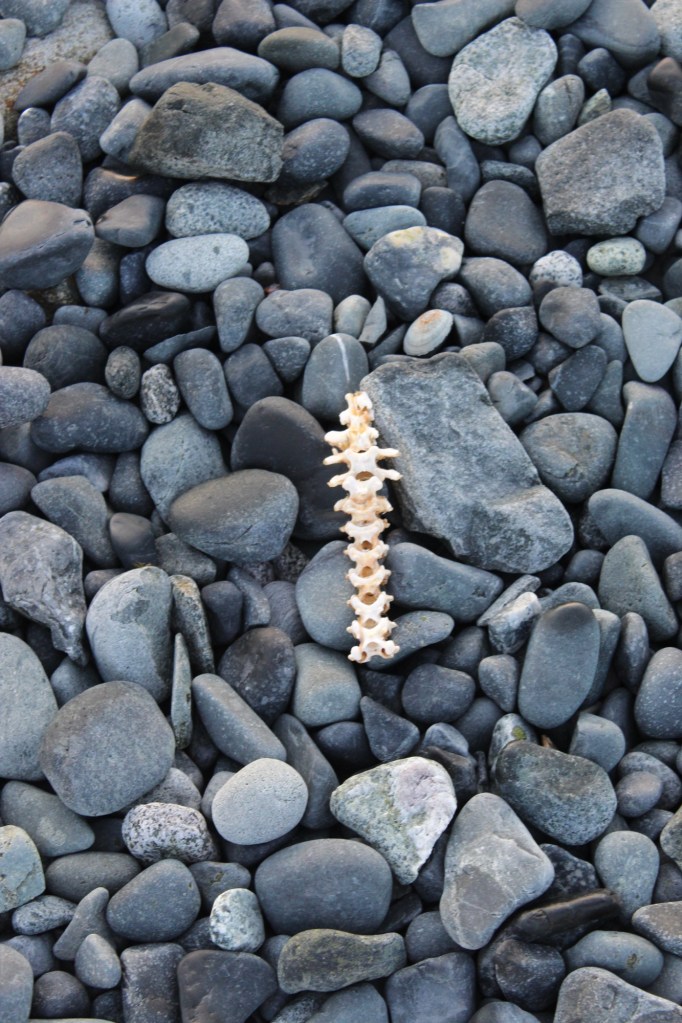
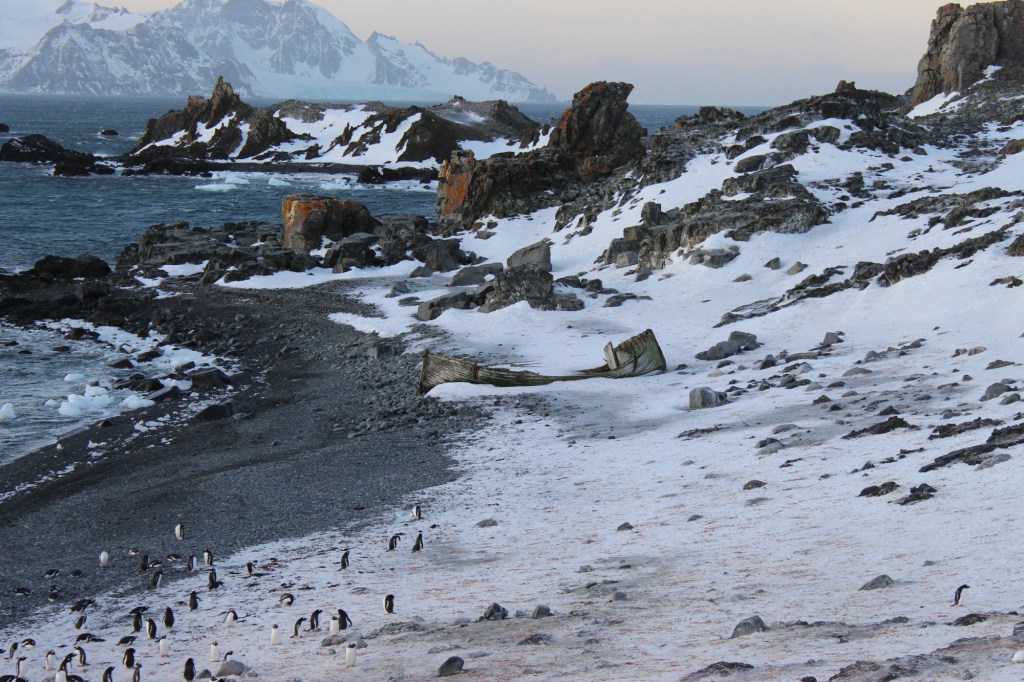
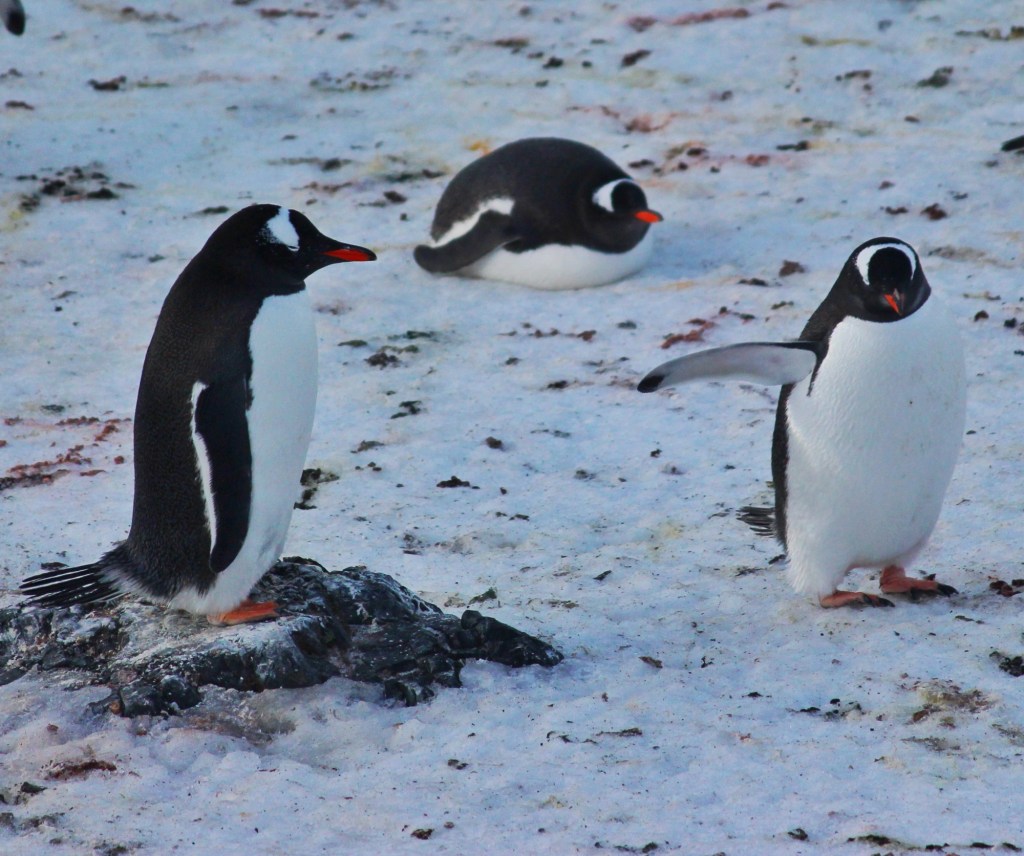
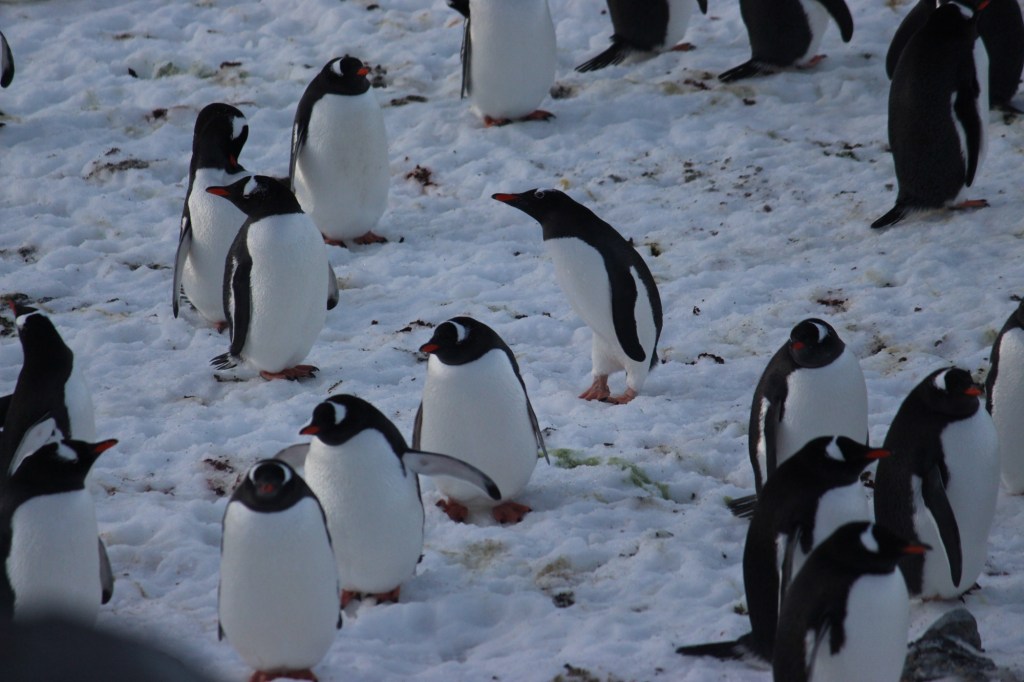
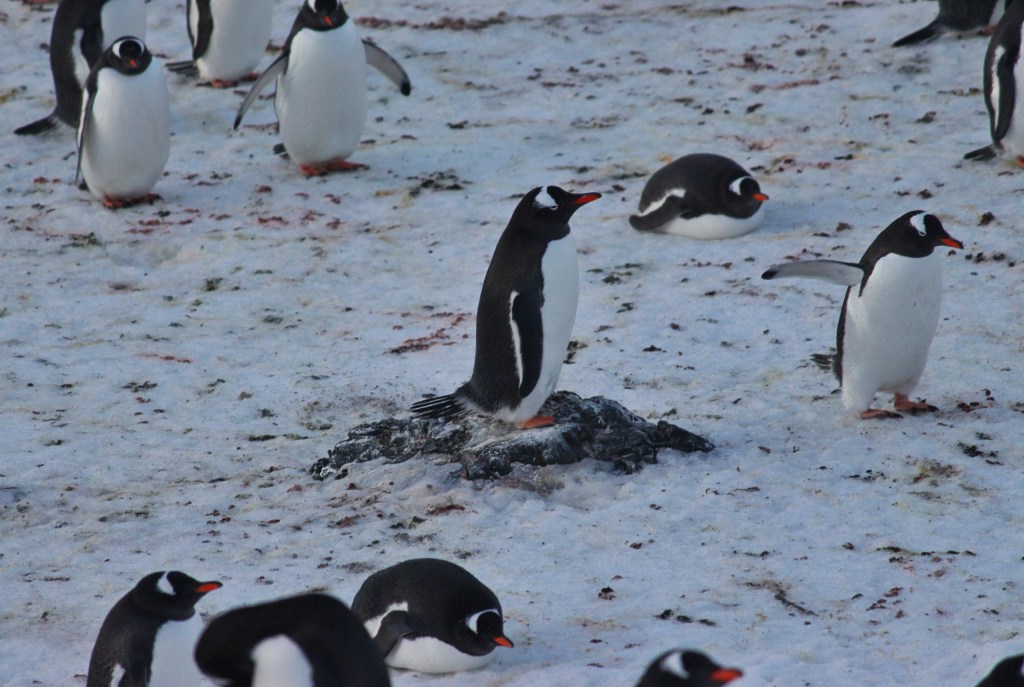
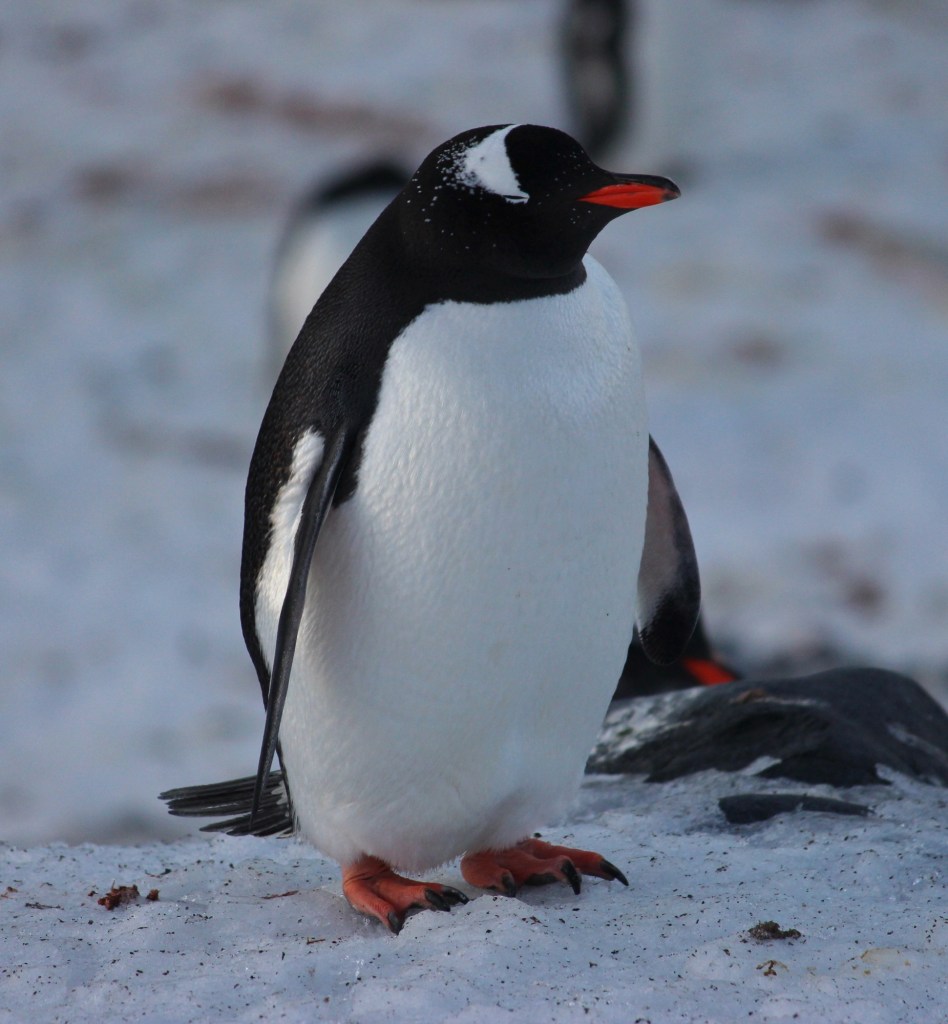
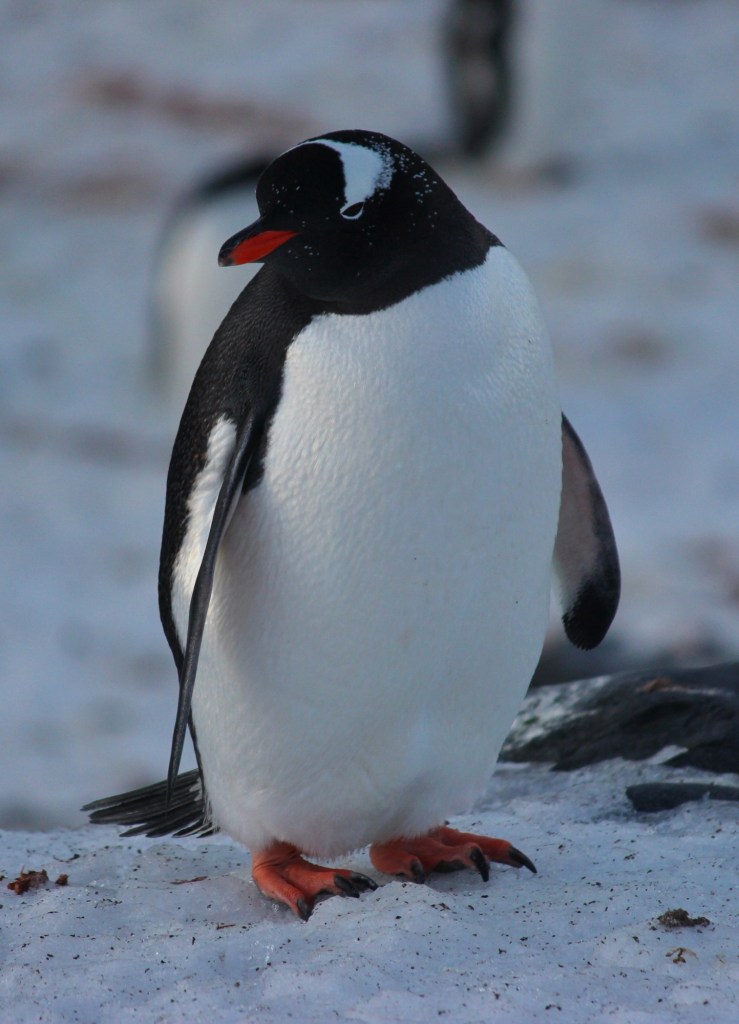
On the beach lay the wreck of an old whaling dory – now mostly of interest to the colony of Gentoo penguins. After months of Adelies and the occasional Chinstrap penguin, these guys were noticeably bigger and have a white band across the eyebrow, but they also have a vastly different honk!
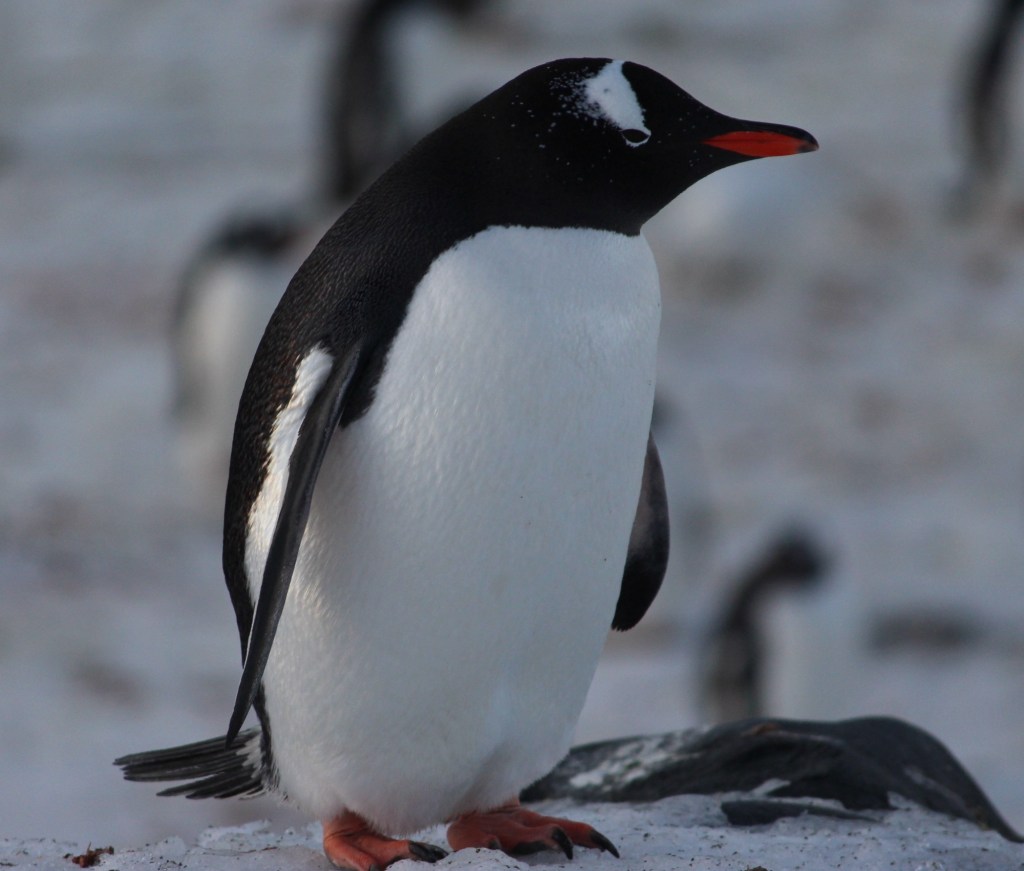
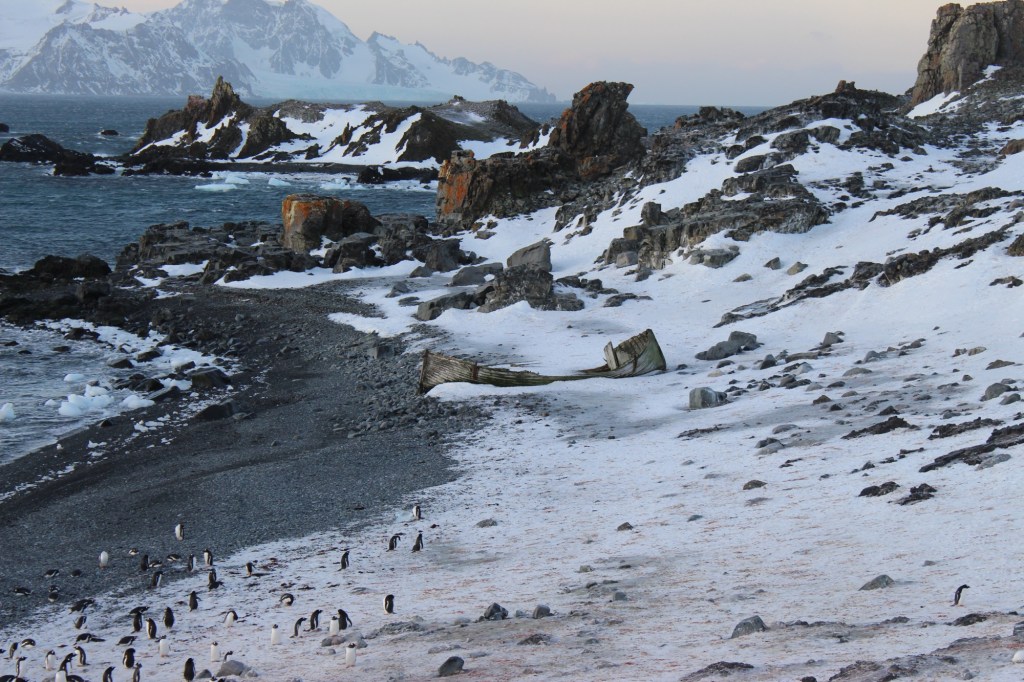
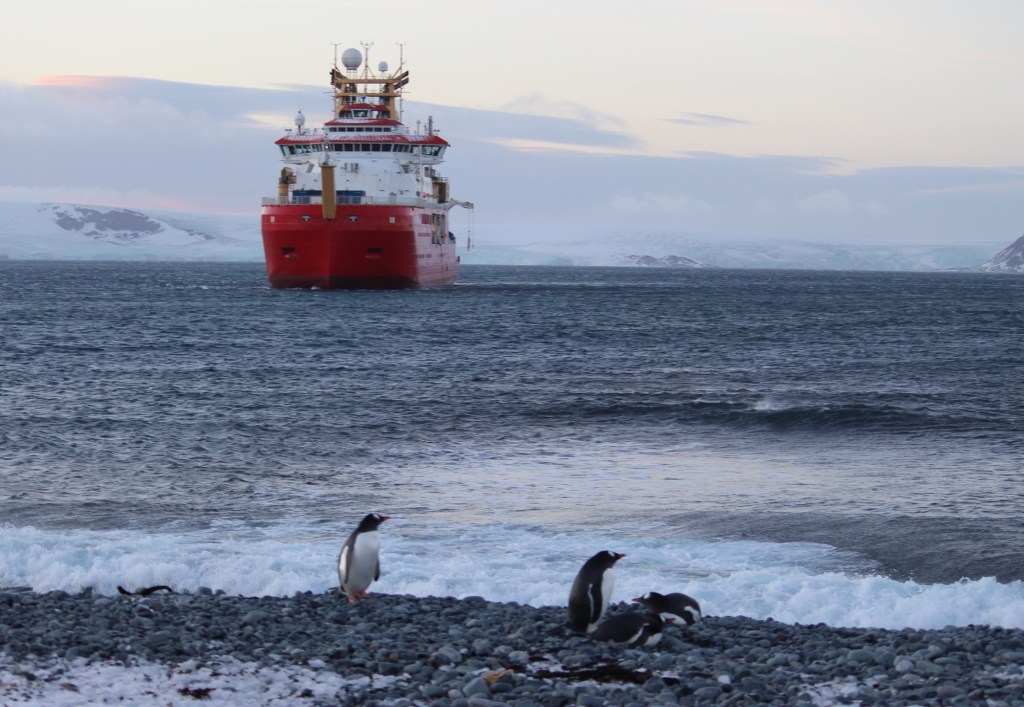
That evening we did our GASH duties, washing up! Things are a lot more ship shape than Rothera, with diners encouraged out of the dining room!
By nighttime, we passed the South Shetland islands and entered Drake Passage. The lighthouses on the edge of the islands flashed brightly behind, and infront was illuminated by the ships powerful search beams. A quick trip to the bridge and I was allowed to manoeuvre one of the lights, searching the horizon, which was now largely absent of features without icebergs to watch.
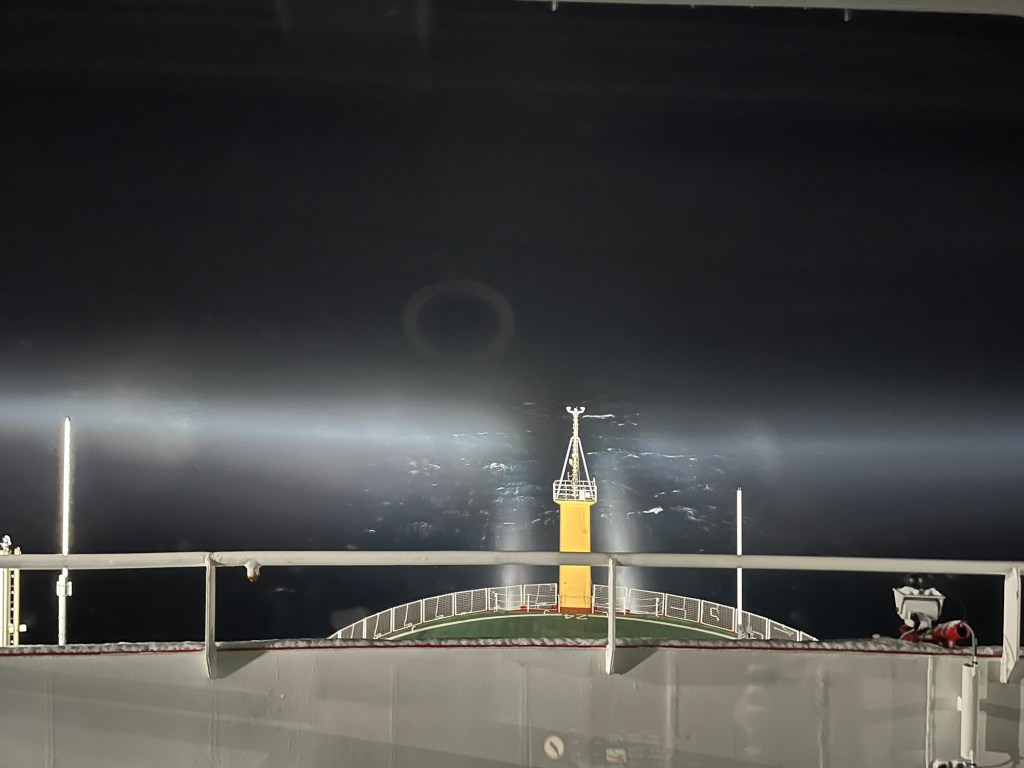
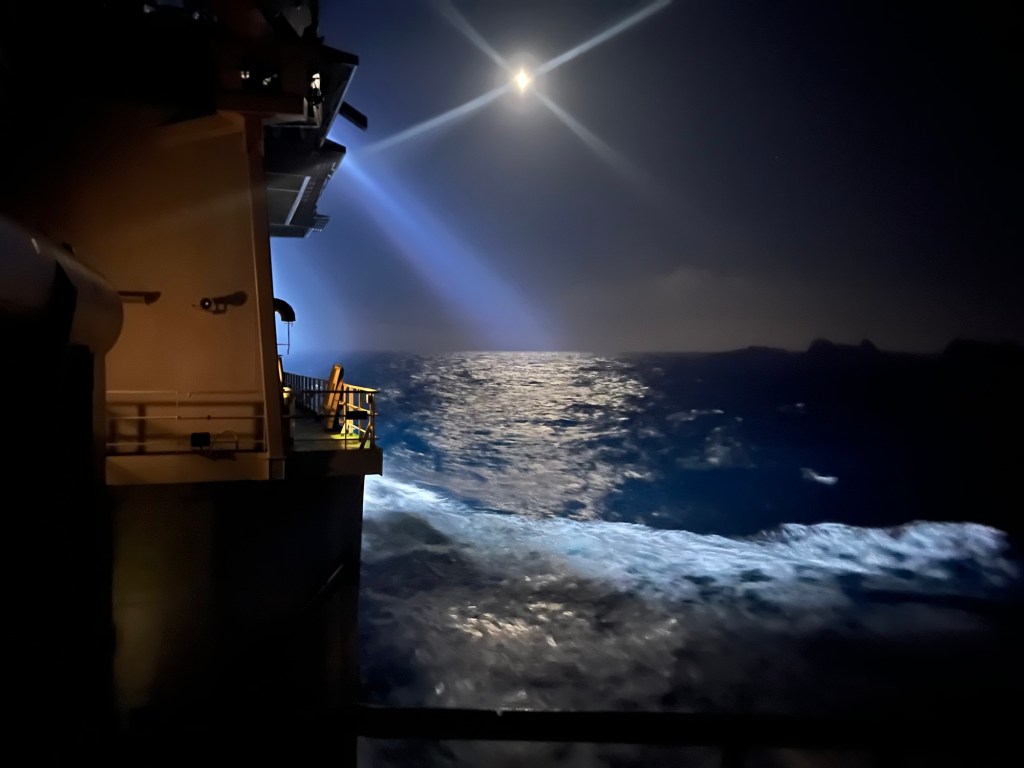
As we crossed 60 degrees south, the mornings were getting rapidly lighter, and the temperatures mild. It was a cloudy sunrise, but with pink tinges in the clouds. Now on the Drake we were experiencing not more than a gentle roll (Drakes Lake, rather than Drakes shake). People found their own routines to take the journey slowly. I enjoyed a game of chess and the availability of ice creams. We even had a game of What’s the time Mr Wolf on the heli deck!
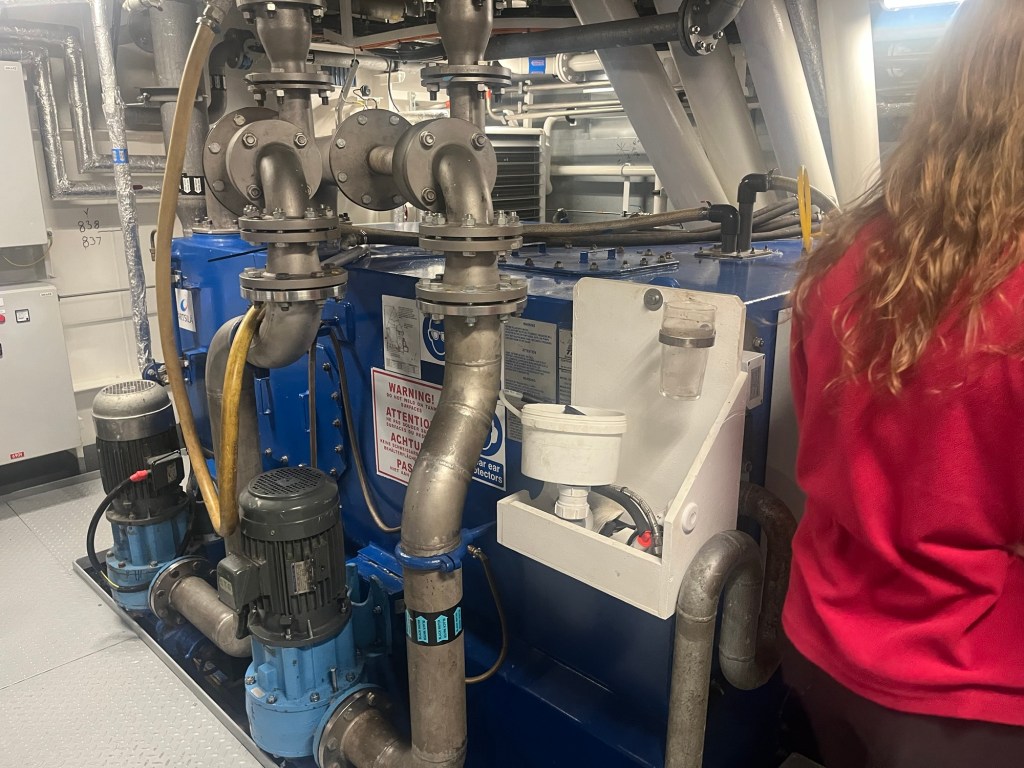
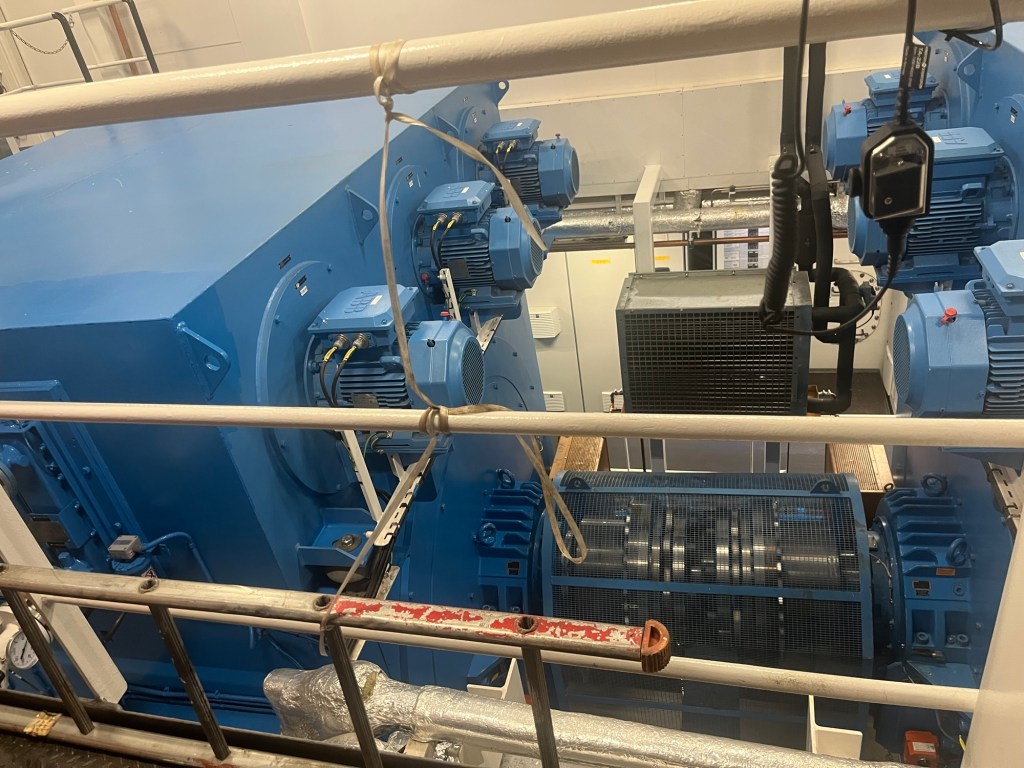
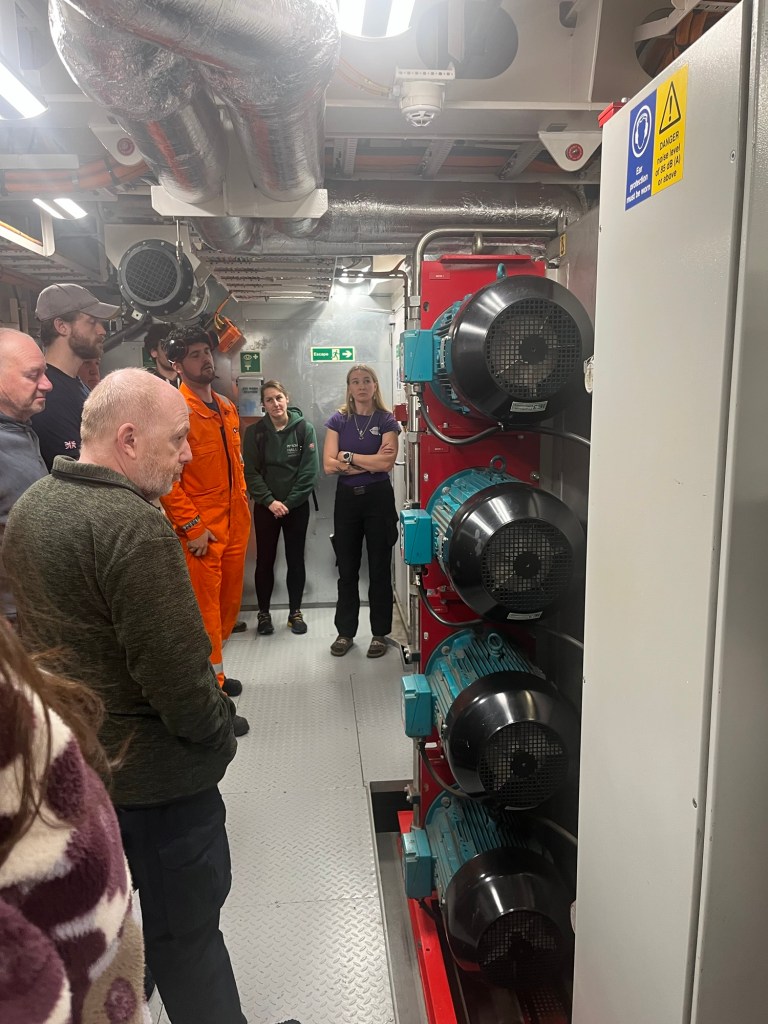
On our final full day at sea we were invited on a tour below deck. The logistics just seem impossible to imagine. There was two different freshwater creation capabilities, sewage treatment, inflows for sea water to cool engines, thrusters to allow the ship to hold position or rotate on the spot, and huge engines, shafts – the lot.
We parcelled up our kit bags which would return to the UK with the ship. On the afternoon we took the chance to pose for a beach shot, grabbing ice creams and heading up to the heli deck. The jumpers and hats only stayed off for 30 seconds!
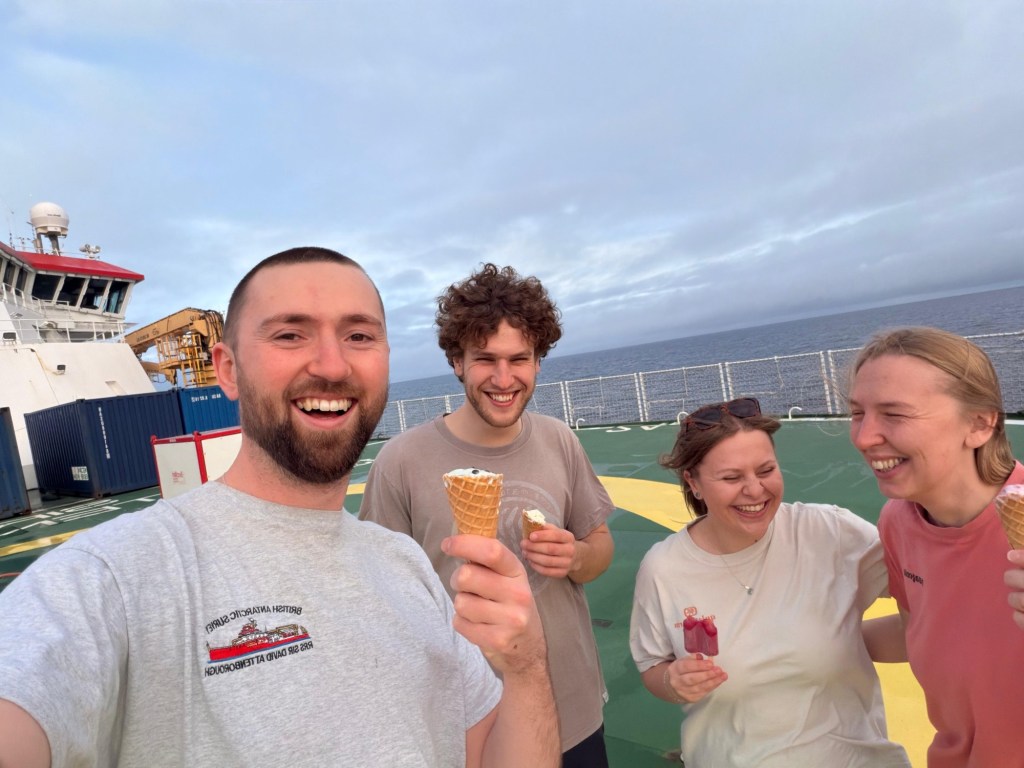
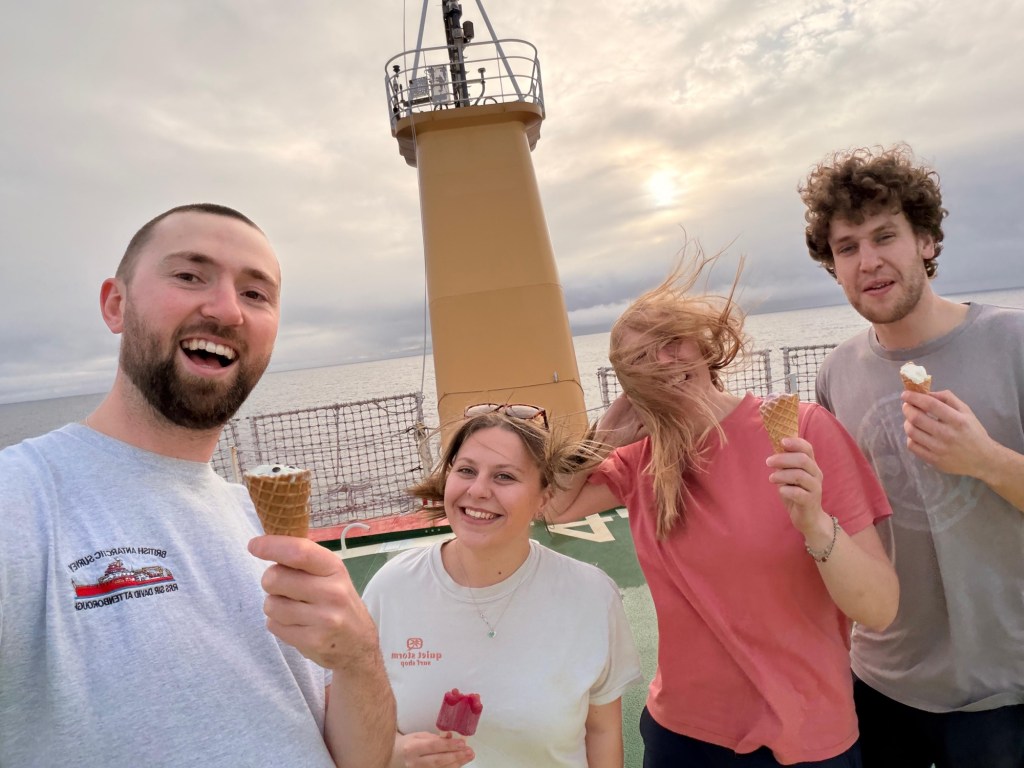
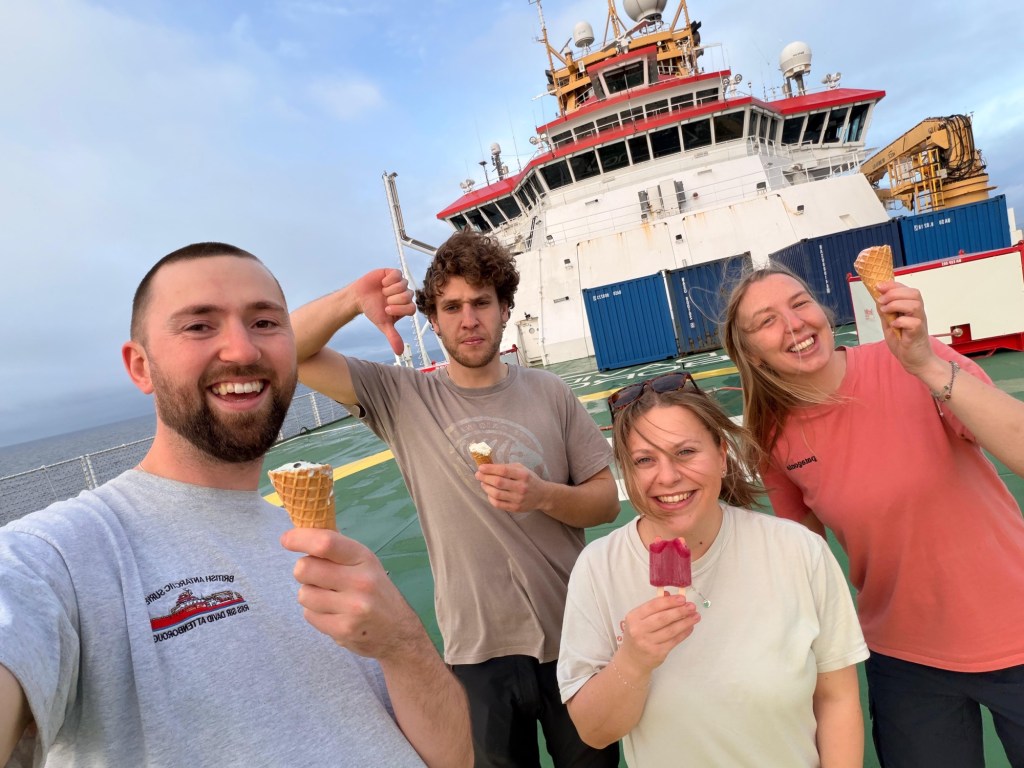
By evening we had left the Drake and were above the continental plate of South America, although still with a couple hundred miles to go! Another bucket list moment complete!
By the morning, the lights of Falklands Harbour were on the horizon. A low lying grey landmass illuminated by a pink sky. I wanted to test the theory that you could smell the greenery and kept stepping out on deck. There was a noticeable salty, seaweed-like smell. There were plenty of birds, shags, white chinned petrels, egrets and kelp gulls.
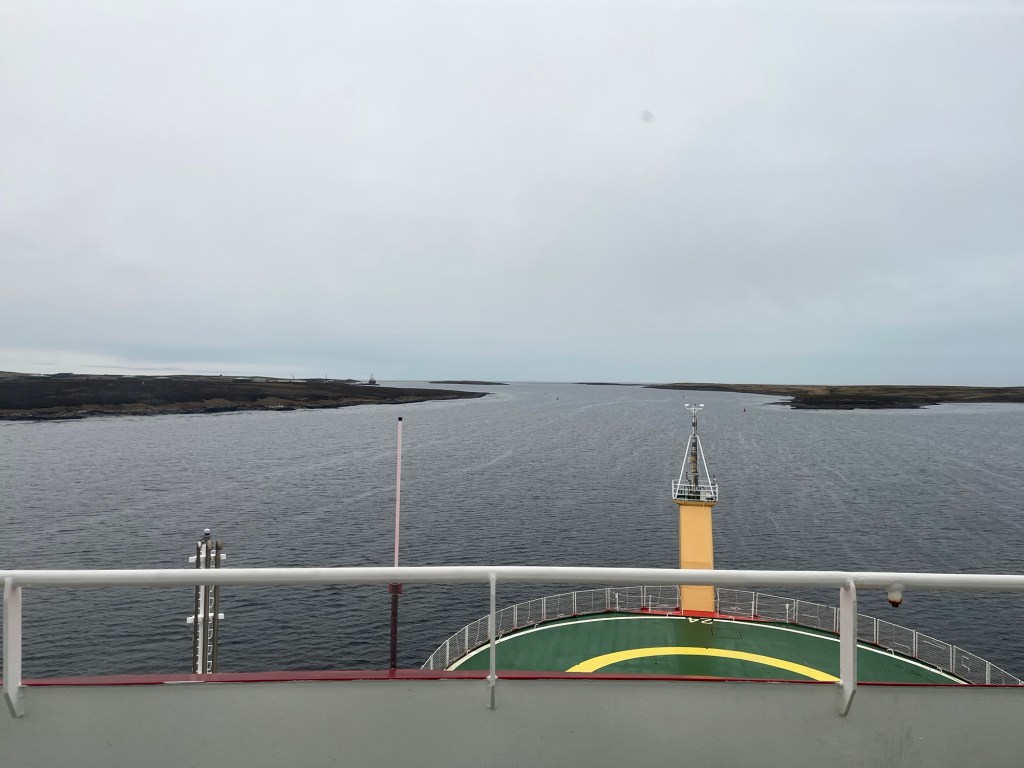

The pilot boat came out to guide us into the harbour, and just like that we were moored up on the closest thing to civilisation we had seen in a while!


I’m trying to keep up with the number of penguin species you’ve logged.